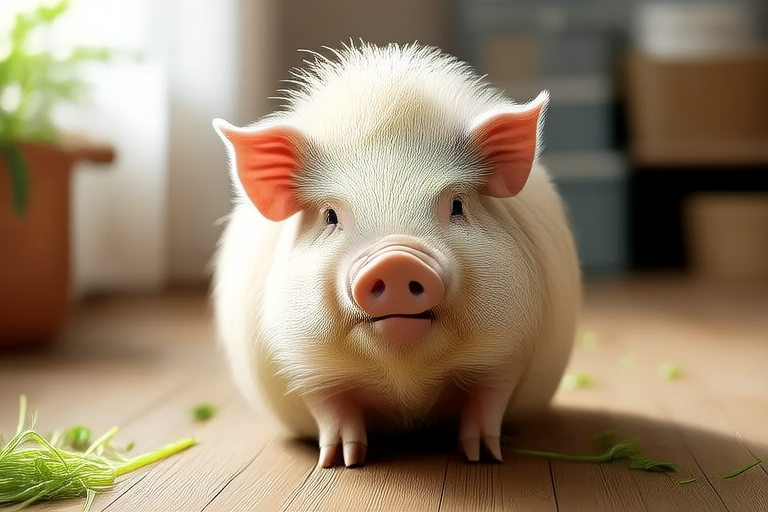
From Tiny Tummies to Big Hearts: All You Need to Know About Guinea Pig Care
Guinea pigs, also known as cavies, have been cherished as pets for centuries. Their gentle nature and delightful personalities make them popular choices among pet enthusiasts. However, these small creatures come with unique care requirements that ensure they lead healthy and happy lives. This guide will walk you through the essentials of guinea pig care, from housing and diet to health and social interaction.
Understanding Your New Friend
Before bringing a guinea pig into your home, it’s important to understand their basic needs and characteristics. Guinea pigs are social animals that thrive in pairs or groups. They are generally quiet, but their chirping and purring can be quite charming. With proper care, they can live up to eight years, making them a long-term commitment.
Housing: Creating a Comfortable Home
The first step in ensuring your guinea pig’s well-being is providing a suitable living environment. The cage should be spacious enough to allow your pet to move around freely. A rule of thumb is to provide at least four square feet of space per guinea pig. Larger cages are always better, especially if you plan to keep more than one guinea pig together.
Bedding is another crucial aspect of housing. Avoid cedar and pine shavings, which can irritate your guinea pig’s respiratory system. Instead, opt for soft, dust-free alternatives like paper-based bedding or recycled newspaper products. Regular cleaning is necessary to prevent odors and bacteria build-up.
Diet: Fueling Their Tiny Tummies
A balanced diet is vital for your guinea pig’s health. Their digestive systems require a constant supply of fiber, which is why hay should be the foundation of their diet. Timothy hay is preferred for adult guinea pigs, while younger ones may benefit from alfalfa hay due to its higher calcium content. Fresh water should always be available.
Vegetables and fruits can be offered in moderation. Leafy greens such as kale, spinach, and romaine lettuce are excellent choices. Remember to introduce new foods gradually to avoid digestive upset. Pellets formulated specifically for guinea pigs should also be part of their daily intake, providing essential vitamins and minerals.
Common myth: Guinea pigs can eat unlimited amounts of fruit. While fruits are a tasty treat, they are high in sugar and should be given sparingly.
Health: Keeping Them Happy and Healthy
Regular veterinary check-ups are essential for maintaining your guinea pig’s health. Common issues include dental problems, respiratory infections, and skin conditions. Signs of illness may include lethargy, loss of appetite, or changes in behavior.
Grooming is another important aspect of health care. Long-haired guinea pigs require daily brushing to prevent matting, while short-haired varieties may need less frequent attention. Trimming nails regularly can also help prevent discomfort.
Myth: Guinea pigs don’t need baths. While they rarely require bathing, keeping their living area clean and providing dust baths can help maintain their hygiene.
Social Interaction: The Importance of Companionship
Guinea pigs are social animals that enjoy the company of others. Keeping them in pairs or small groups can prevent loneliness and stress. Introducing new guinea pigs should be done gradually to ensure compatibility.
Handling your guinea pig gently is key to building trust. Always support their body when picking them up and avoid lifting them by their ears or tails. Regular interaction can strengthen your bond and make handling easier.
Myth: Guinea pigs are independent and don’t need much attention. While they can entertain themselves, they thrive on interaction and socialization.
Adopting from Shelters: Giving a Second Chance
Adopting a guinea pig from a shelter can be a rewarding experience. Many shelters have guinea pigs waiting for loving homes. Adopting provides a second chance for these animals and helps reduce overcrowding in shelters.
When adopting, inquire about the guinea pig’s history and any specific needs. Some may have medical conditions or require special diets. Providing a loving home can significantly improve their quality of life.
The Commitment of Guinea Pig Ownership
Owning a guinea pig is a significant responsibility. It requires time, effort, and financial investment. Before committing, consider whether you can provide the necessary care and resources. Guinea pigs rely on their owners for everything, including food, shelter, and companionship.
By understanding and meeting their needs, you can ensure that your guinea pig enjoys a long and happy life. From tiny tummies to big hearts, these gentle creatures offer endless joy and companionship. With the right care, you can create a loving environment where they can thrive.
