Adventures with a Water Monitor: What Every Owner Should Know Before Adopting
Water monitors (Varanus salvator) are one of the largest lizard species in the world, known for their impressive size, unique behaviors, and specific care requirements. Owning a water monitor can be an exciting adventure, but it’s crucial for potential owners to understand the responsibilities involved before bringing one home. This guide will cover essential facts about water monitors’ size, diet, habitat needs, and unique behaviors. We’ll also discuss the responsibilities of ownership, potential challenges, and necessary precautions for a safe and healthy environment.
The Size and Appearance of Water Monitors
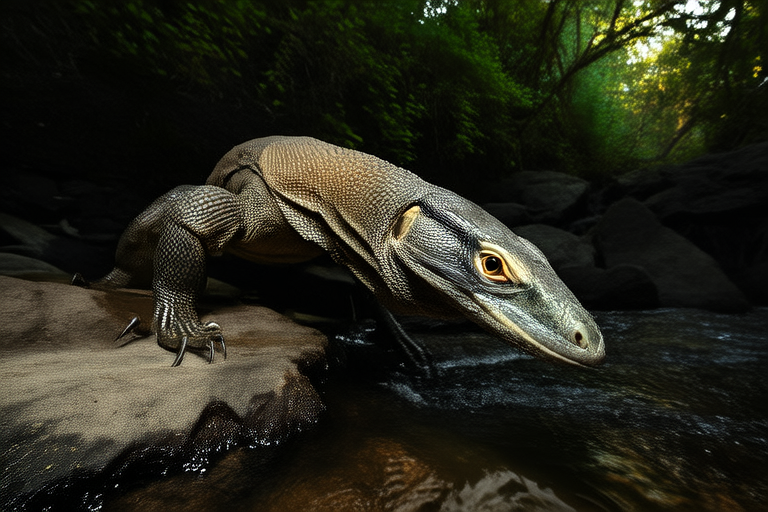
Water monitors are among the largest lizards in the world, with some individuals reaching lengths of up to 3 meters (9.8 feet). Their bodies are long and sleek, designed for both swimming and climbing. They have strong tails that help them swim efficiently, and sharp claws that aid in climbing. The coloration of water monitors can vary, but most are shades of brown or green, often with dark spots or bands.
Diet and Feeding Requirements
Water monitors are carnivorous and require a varied diet to thrive. In the wild, they eat a wide range of prey, including fish, frogs, insects, small mammals, and birds. As pets, their diet should consist of high-quality commercial reptile foods, live prey items, and occasional supplements to ensure proper nutrition. It’s important to feed them appropriately sized prey to avoid health issues such as impaction or digestive problems.
Habitat Needs
Water monitors need spacious enclosures that provide ample room for movement, swimming, and climbing. A typical enclosure for an adult water monitor should be at least 6 feet long, 4 feet wide, and 4 feet tall. The enclosure should include a large water area for swimming, which should be cleaned regularly to maintain hygiene. Additionally, climbing structures and hiding spots should be provided to mimic their natural habitat.
Unique Behaviors
Water monitors exhibit fascinating behaviors that make them intriguing pets. They are highly intelligent and curious, often exploring their surroundings with great interest. Some water monitors can even learn to recognize their owners and respond to certain cues. However, their intelligence also means they require mental stimulation and enrichment to prevent boredom and stress.
Responsibilities of Ownership
Owning a water monitor comes with significant responsibilities. These lizards require careful attention to their dietary, environmental, and medical needs. Owners must be prepared to invest time and resources into creating a suitable habitat and maintaining it. Regular veterinary check-ups are essential to ensure the health and well-being of your water monitor. Additionally, owners should be aware of local laws and regulations regarding exotic pets.
Potential Challenges
While water monitors can make rewarding pets, there are several challenges that potential owners should consider. These lizards grow rapidly and require increasingly larger enclosures as they mature. Their dietary needs can be complex, requiring a variety of prey items and supplements. Moreover, water monitors can be quite active and may require more handling and interaction than other reptiles.
Necessary Precautions
To ensure a safe and healthy environment for both the water monitor and its owner, several precautions should be taken. Always handle your water monitor with care, as they can be strong and unpredictable. Keep their enclosure secure to prevent escape and ensure the safety of both the animal and any household pets. Regular cleaning and maintenance of the enclosure are crucial to prevent health issues.
The Bond Between Owner and Pet
Despite the challenges, many owners develop a strong bond with their water monitors. With patience and consistent interaction, these intelligent creatures can become responsive and affectionate. Owners often report a sense of pride and accomplishment in successfully caring for such a magnificent animal. However, it’s important to remember that this bond is built on trust and respect, and requires ongoing effort from the owner.
Why Water Monitors Are Not Suitable for First-Time Reptile Owners
Given their size, dietary complexity, and environmental requirements, water monitors are not recommended for first-time reptile owners. They require specialized knowledge and experience to care for properly. Prospective owners should research extensively and consult with experienced breeders or veterinarians before making the commitment to owning a water monitor. It’s also advisable to spend time observing water monitors in captivity to fully understand their needs and behaviors.
In conclusion, owning a water monitor can be a rewarding experience for those who are prepared for the responsibility. By understanding the unique needs of these animals and taking necessary precautions, owners can create a safe and enriching environment for their water monitors. While the challenges are significant, the bond that can develop between owner and pet is truly special. Remember, water monitors are not suitable for everyone, so careful consideration is essential before adopting one.
