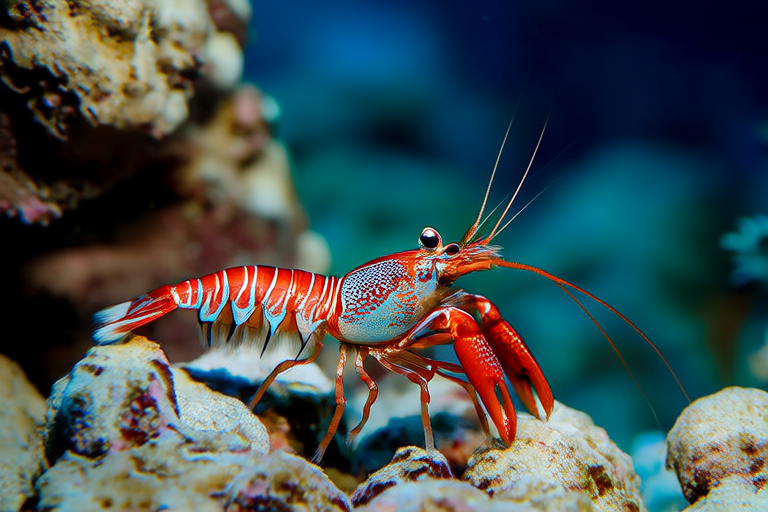
The Ultimate Guide: How to Care for Coral Shrimp Like a Pro
Welcome to the ultimate guide on how to care for coral shrimp in your aquarium! Whether you’re a novice or an experienced aquarist, this comprehensive resource will help you understand the specific needs of coral shrimp and ensure their well-being. We’ll cover everything from habitat requirements and diet specifics to common health issues and breeding techniques. Let’s dive right in!
Habitat Requirements for Coral Shrimp
Coral shrimp thrive in environments that closely mimic their natural habitats. Here are some key considerations:
- Water Parameters: Maintain a temperature between 75°F and 82°F (24°C to 28°C), a pH level between 8.0 and 8.4, and salinity levels around 1.023 to 1.026. Regular testing with a hydrometer and pH meter is crucial.
- Tank Size: A minimum of 20 gallons per shrimp is recommended to provide ample space for swimming and hiding. Larger tanks are preferable for multiple shrimp.
- Substrate: Fine sand or crushed coral is ideal as it prevents injury and allows shrimp to burrow. Avoid sharp gravel or large substrate pieces.
- Decorations: Incorporate rocks, caves, and plants to create hiding spots and enhance the aesthetic appeal of the tank. This helps reduce stress and encourages natural behaviors.
Diet Specifics for Coral Shrimp
Feeding coral shrimp appropriately is vital for their health and longevity. Consider these dietary recommendations:
- Variety: Offer a mix of high-quality commercial shrimp foods, blanched vegetables, algae wafers, and occasional meaty treats like brine shrimp or bloodworms. This ensures a balanced diet rich in nutrients.
- Frequent Feedings: Feed small amounts two to three times daily. Overfeeding can lead to poor water quality and obesity.
- Supplements: Occasionally add calcium and iodine supplements to promote shell growth and molting.
Common Health Issues and Prevention
Like all aquatic creatures, coral shrimp are susceptible to certain health problems. Early detection and prevention are key:
- Molting Problems: Shrimp shed their exoskeletons periodically. Ensure they have enough hiding spots and soft substrates to molt safely.
- Bacterial Infections: Monitor water quality and maintain proper hygiene to prevent infections. Quarantine new additions before introducing them to the main tank.
- Parasites: Regularly inspect shrimp for signs of parasites and treat promptly if detected.
Choosing Suitable Tank Mates
Selecting compatible tank mates is essential for a harmonious community:
- Peaceful Fish: Opt for small, non-aggressive species such as guppies, tetras, and dwarf gouramis.
- Shrimp Companions: Consider keeping other peaceful shrimp species, but be cautious of larger shrimp that may prey on smaller ones.
- Avoid Predators: Steer clear of aggressive fish, larger predatory shrimp, and invertebrates that might harm coral shrimp.
Regular Maintenance Routines
Consistent maintenance keeps the tank environment optimal for coral shrimp:
- Water Changes: Perform partial water changes (about 20%) every week using a siphon. This removes toxins and maintains stable water parameters.
- Cleaning Equipment: Regularly clean filters, heaters, and decorations to prevent the buildup of debris and harmful substances.
- Monitoring: Keep an eye on water quality indicators like ammonia, nitrite, and nitrate levels. Address any issues immediately.
Water Quality and Filtration
High-quality water is paramount for coral shrimp health:
- Filters: Use a combination of mechanical, biological, and chemical filtration systems to remove waste, toxins, and excess nutrients.
- Aeration: Ensure adequate oxygen levels through efficient aeration methods such as air stones or powerheads.
- Prevent Contamination: Avoid adding medications or chemicals unless absolutely necessary. Consult with experts if unsure about treatment options.
Breeding Techniques for Coral Shrimp
Successfully breeding coral shrimp requires attention to detail:
- Separate Breeding Tank: Create a dedicated breeding tank with similar conditions to the main tank.
- Stimulate Spawning: Increase water temperature slightly (to around 80°F or 27°C) and provide more food to encourage spawning.
- Protect Eggs: Once eggs are fertilized, carefully move the female to the breeding tank. Keep the tank dimly lit and free from disturbances.
Tips for Maintaining a Healthy Environment
Here are additional tips to ensure a thriving environment for your coral shrimp:
- Gradual Acclimation: When introducing new shrimp, acclimate them slowly to avoid shock.
- Lighting: Provide moderate lighting with a 10-12 hour cycle, mimicking natural daylight patterns.
- Minimize Stressors: Avoid sudden changes in water parameters and excessive noise near the tank.
Conclusion
Caring for coral shrimp requires dedication and attention to detail, but the rewards are well worth it. By understanding their specific needs and providing a suitable environment, you can ensure the health and happiness of these fascinating creatures. Remember, each shrimp is unique, so observe them regularly and adapt your care accordingly. Feel free to ask questions or share your experiences in the comments below. Happy shrimp keeping!
