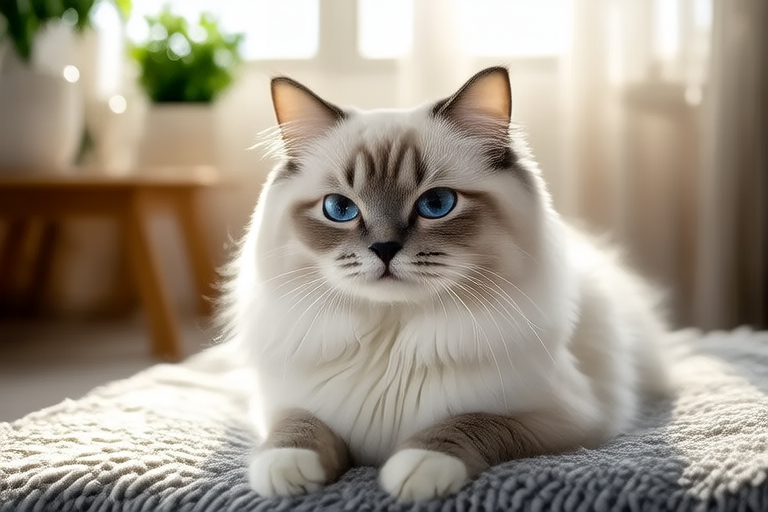
Ragdoll Cats: The Secret to Unconditional Love and Soft Fur Bliss
Introduction:
Ragdoll cats are often referred to as the “teddy bears” of the cat world due to their strikingly beautiful, silky soft fur and affectionate, docile personalities. These felines are known for their loving demeanor, which makes them an excellent choice for families and individuals seeking a loyal companion. In this article, we will explore the unique characteristics of Ragdoll cats, delve into their history, discuss their ideal living conditions, and provide tips for potential owners on grooming, health care, and training. By the end of this piece, you’ll understand why Ragdoll cats are the epitome of unconditional love and soft fur bliss.
The Unique Characteristics of Ragdoll Cats
Ragdolls are easily recognizable by their stunning appearance and gentle disposition. Their luxurious semi-longhair coats come in various colors and patterns, including seal, chocolate, blue, lilac, and red, among others. These cats have large, expressive blue eyes that add to their irresistible charm. One of the most distinctive features of Ragdolls is their tendency to go limp when picked up, a behavior that has earned them their name. This characteristic, combined with their loving nature, makes them an ideal pet for those who enjoy cuddling and spending quality time with their feline companions.
The History of the Ragdoll Breed
The history of the Ragdoll breed is both fascinating and somewhat mysterious. Developed in the 1960s by Ann Baker, a breeder from Riverside, California, the Ragdoll is believed to be a cross between a Persian and a Birman. However, some speculate that a stray white longhaired male cat played a significant role in the breed’s development. Regardless of its origins, the Ragdoll quickly gained popularity for its exceptional temperament and striking appearance. Today, Ragdolls are recognized by major cat registries worldwide and continue to grow in popularity as a beloved family pet.
Temperament and Ideal Living Conditions
Ragdolls are renowned for their friendly and laid-back nature, making them an excellent choice for households with children and other pets. They are generally calm, patient, and gentle, which allows them to coexist harmoniously with other animals. While they enjoy being around people, Ragdolls are not overly demanding and respect personal space. Their ideal living conditions include a quiet environment where they can relax and feel secure. Providing them with comfortable resting spots, scratching posts, and toys will ensure they remain happy and engaged.
Interacting with Families, Children, and Other Pets
Ragdolls thrive in environments where they receive plenty of attention and affection. They form strong bonds with their human families and are particularly fond of children. Their playful yet gentle nature makes them perfect playmates for kids, and they are known to tolerate roughhousing better than many other breeds. When it comes to other pets, Ragdolls tend to be accepting and adaptable, often forming friendships with dogs and other cats. Their calm demeanor also helps reduce conflicts within multi-pet households.
Grooming Tips for Ragdoll Cats
Maintaining the Ragdoll’s luxurious coat requires regular grooming to prevent matting and keep their fur healthy. Brushing your Ragdoll at least three times a week will help remove loose hair and distribute natural oils throughout their coat. Additionally, bathing your cat every few months can help keep their fur clean and shiny. Pay special attention to areas prone to matting, such as behind the ears and under the tail. Regular grooming sessions also provide an opportunity to check for any signs of skin issues or parasites.
Health Care and Training
Ragdolls are generally healthy cats, but like all breeds, they may be susceptible to certain genetic conditions. Potential owners should be aware of hereditary issues such as hypertrophic cardiomyopathy (HCM) and polycystic kidney disease (PKD). Regular veterinary check-ups and genetic testing can help identify and manage these conditions. Early intervention is key to maintaining your Ragdoll’s health and well-being.
Training Ragdolls is relatively straightforward due to their intelligent and cooperative nature. Positive reinforcement techniques, such as treats and praise, work best when teaching basic commands or tricks. Ragdolls can even learn to walk on a leash, making them great companions for outdoor adventures. Encouraging interactive playtime with toys and puzzles will stimulate their minds and keep them physically active.
Personal Stories and Testimonials
One owner, Sarah Thompson, shares her experience with her Ragdoll named Luna: “Luna has been an integral part of our family for over five years now. Her presence brings so much joy and warmth to our home. She is always there to greet us with a purr and a nudge when we come through the door. Luna loves to snuggle up with us on the couch and has become a favorite of our young children. We’ve never had a more loving and affectionate cat.”
Another testimonial comes from Mike Johnson, who adopted a Ragdoll kitten named Charlie: “Charlie was initially shy and reserved, but after a few weeks, he began to open up and show his true personality. He is now one of the most affectionate cats I’ve ever owned. His soft fur and gentle demeanor make him a delight to have around. Charlie has brought so much happiness to our household, and we couldn’t imagine life without him.”
In conclusion, Ragdoll cats are a testament to the power of unconditional love and the joy that can be found in their soft, luxurious fur. Their gentle nature, combined with their striking appearance, makes them an ideal choice for families and individuals seeking a loyal and affectionate companion. By providing them with the proper care, attention, and living conditions, you can ensure that your Ragdoll will bring years of happiness and companionship to your home.
