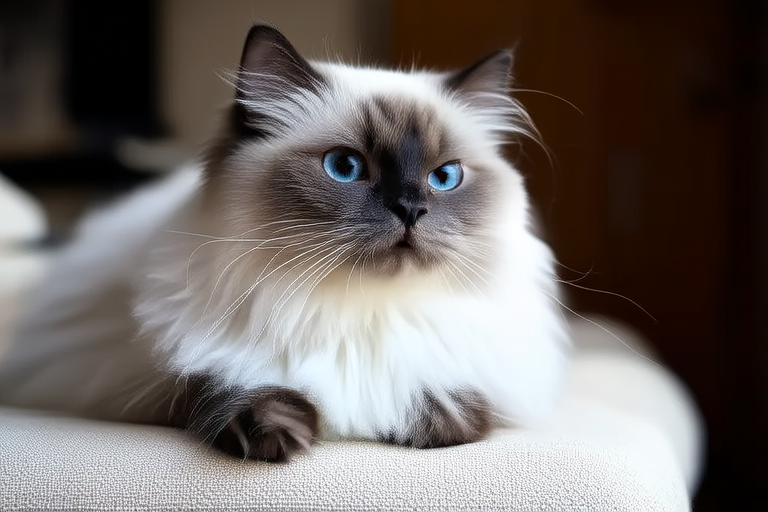
Persian Cats: Gentle Giants with Striking Appearance
Persian cats are one of the most popular and recognizable cat breeds in the world. Their gentle demeanor and striking appearance have made them a favorite among cat lovers. Known for their long, silky fur and large, expressive eyes, Persian cats have a regal air that is hard to resist. In this article, we will explore the history, temperament, grooming needs, and common health issues of Persian cats. We will also share personal stories that highlight the charm and affectionate nature of these beautiful creatures.
The History of Persian Cats
The exact origin of Persian cats is unclear, but they are believed to have originated in Persia (modern-day Iran) and were brought to Europe by Italian traders in the 16th century. Persian cats quickly became popular among European nobility, and their popularity spread throughout the world. Over time, selective breeding has resulted in the development of various subtypes within the Persian breed, each with its own distinct characteristics.
One of the most famous Persian cats was owned by Queen Victoria of England. Her cat, named Isabelline, was a white Persian with blue eyes. The queen was so fond of her cat that she often included it in her portraits. This royal endorsement helped to further increase the popularity of Persian cats in Europe.
Gentle Demeanor and Expressive Eyes
Persian cats are known for their gentle and affectionate nature. They are calm, patient, and enjoy spending time with their owners. Their large, expressive eyes are one of their most striking features. These eyes can be blue, green, or copper, depending on the cat’s coat color. The eyes give Persian cats an almost human-like expression, making them even more endearing to their owners.
One of my friends once told me a story about her Persian cat named Luna. Luna had a habit of following her owner around the house, and whenever her owner sat down, Luna would jump into her lap and purr contentedly. My friend said that Luna’s presence always brought her comfort and joy, and she felt lucky to have such a loving companion.
Grooming Needs
Persian cats require regular grooming due to their long, silky fur. Daily brushing is recommended to prevent matting and hairballs. Bathing is also necessary, but it should be done sparingly as it can strip the cat’s skin of essential oils. It is important to start grooming your Persian cat at a young age to get them used to the routine.
My sister owns a Persian cat named Snowball, and she has shared her experiences with grooming. She says that grooming her cat is like giving her a spa day. She uses a soft brush to gently brush out any tangles and then gives her a warm bath with a special shampoo designed for long-haired cats. Afterward, she dries her cat with a towel and brushes her again to remove any remaining tangles. Snowball loves the attention and enjoys being pampered.
Temperament Suitable for Families
Persian cats are well-suited for families with children and other pets. They are gentle, patient, and tolerant, making them ideal companions for children. However, it is important to supervise interactions between children and pets to ensure that both are treated kindly and respectfully.
My neighbor has two Persian cats named Charlie and Daisy. They live with three young children, and the cats have become an integral part of the family. The children love to play with the cats, and the cats seem to enjoy the attention. The cats are very tolerant of the children’s playful antics and are always willing to join in the fun.
Common Health Issues
Like all breeds, Persian cats are prone to certain health issues. Polycystic kidney disease (PKD) is a common inherited condition that affects many Persian cats. It causes the formation of cysts in the kidneys, which can lead to kidney failure. Regular veterinary check-ups and genetic testing can help identify and manage this condition.
Another common issue in Persian cats is upper respiratory infections (URIs). These infections are caused by viruses and bacteria and can be difficult to treat. Keeping your Persian cat’s environment clean and free of dust and allergens can help reduce the risk of URIs. If you suspect that your cat has an URI, it is important to seek veterinary care immediately.
My cousin’s Persian cat, Whiskers, developed PKD when he was six years old. At first, my cousin was devastated, but after consulting with a veterinarian, she learned how to manage Whiskers’ condition. Whiskers still enjoys a good life, and my cousin has become an advocate for PKD awareness among other Persian cat owners.
Tips for Potential Owners
If you are considering adopting a Persian cat, there are a few things to keep in mind. First, make sure that you are prepared for the grooming requirements. Persian cats require daily brushing and occasional bathing to maintain their luxurious coats. Second, consider the cost of veterinary care. Persian cats are prone to certain health issues, and regular check-ups and treatments can add up over time. Finally, be prepared for a long-term commitment. Persian cats can live for 12-17 years, so you need to be ready to provide a loving home for many years.
My aunt adopted a Persian cat named Mr. Fluffy when he was just a kitten. She fell in love with his soft fur and gentle nature right away. However, she soon realized that caring for a Persian cat was a big responsibility. She spent hours each day grooming him and took him to the vet regularly for check-ups. Despite the challenges, she wouldn’t trade her time with Mr. Fluffy for anything.
Captivating Hearts Worldwide
Persian cats captivate hearts worldwide because of their unique beauty and affectionate nature. Their striking appearance and gentle demeanor make them stand out from other cat breeds. Whether you are a seasoned cat owner or a first-time pet parent, a Persian cat can bring joy and companionship to your life.
My own experience with Persian cats began when I adopted a rescue cat named Princess. She was a purebred Persian who had been abandoned by her previous owners. When I first met her, she was timid and scared, but over time, she grew to trust me and became one of the most loving cats I have ever known. Her large, expressive eyes and soft fur made her irresistible, and I was glad to have given her a second chance at a happy life.
In conclusion, Persian cats are truly remarkable animals. Their gentle demeanor, striking appearance, and affectionate nature make them beloved pets around the world. While they do require extra care and attention, the rewards of owning a Persian cat are immeasurable. If you are considering adopting a Persian cat, take the time to learn about their needs and be prepared for a lifelong commitment. With proper care and attention, your Persian cat can bring years of happiness and companionship to your home.
