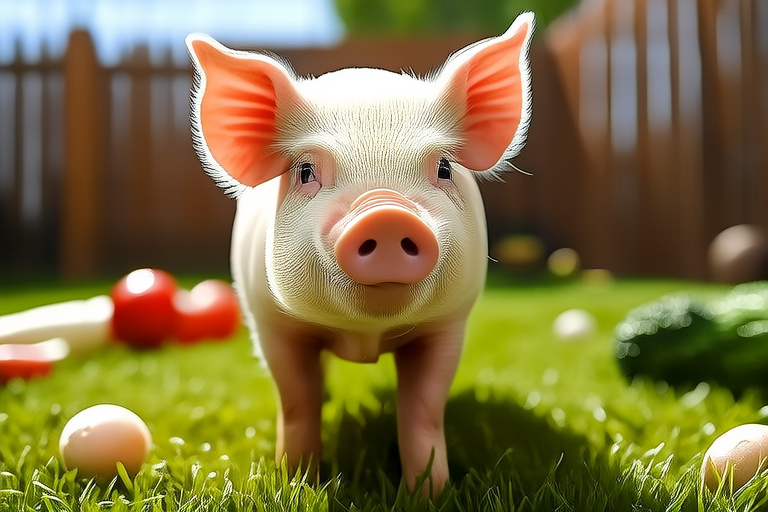
Raising Royalty: How to Care for Your Mini Pig Like a Pro
Welcome to the world of mini pigs! These charming creatures have captured the hearts of many pet lovers with their intelligence, loyalty, and unique personalities. However, raising a mini pig comes with significant responsibilities that go beyond providing food and shelter. This comprehensive guide will walk you through everything you need to know about caring for your mini pig like a pro, from selecting the right pig to ensuring their well-being.
Choosing the Right Mini Pig
Selecting the perfect mini pig is crucial for both your happiness and your future pet’s welfare. Consider adopting a rescue pig if possible; shelters often have pigs ready for adoption. When visiting a breeder, ask about the pig’s lineage and observe the environment. Ensure it is clean and spacious, with attentive and knowledgeable staff. Research breeds thoroughly, as some may grow larger than expected. Consult veterinarians or experienced pig owners for advice on choosing the right breed for your lifestyle.
Proper Nutrition
Feeding your mini pig correctly is essential for their overall health and longevity. A balanced diet should include high-quality commercial pig feed, fresh fruits, vegetables, and occasional treats. Avoid feeding them processed human foods, especially those containing sugar or salt. Always provide clean water in a non-tip bowl. Monitor their weight regularly and adjust portions accordingly. Overfeeding can lead to obesity, which may cause health problems later on.
Housing Requirements
Adequate housing ensures your mini pig feels safe and comfortable. Mini pigs require ample space to move around freely. Indoor enclosures should be at least 4 feet by 8 feet for one pig, with additional room for each additional pig. Outdoor areas must offer shade, shelter, and protection from predators. Bedding materials like straw or wood shavings keep them warm and dry. Regular cleaning prevents odors and promotes good hygiene. Ensure the enclosure has secure fencing to prevent escapes.
Health Care
Veterinary care is vital for maintaining your mini pig’s health. Schedule regular check-ups with a veterinarian experienced in treating pigs. Discuss vaccinations, parasite control, and dental care during these visits. Spaying or neutering your pig helps prevent certain cancers and behavioral issues. Keep an eye out for signs of illness, such as lethargy, loss of appetite, or changes in behavior. Early detection can make all the difference in treatment outcomes.
Grooming Tips
Grooming your mini pig keeps them looking and feeling their best. Brush their coat weekly to remove dirt and loose hair. Trim their nails every few weeks if they don’t wear them down naturally. Clean their ears gently with a soft cloth and pet-safe cleaner. Bathe them only when necessary, as frequent bathing can strip natural oils from their skin. Use a mild shampoo specifically formulated for pigs. Pat them dry thoroughly after baths.
Exercise Needs
Mini pigs need daily exercise to stay healthy and happy. Provide toys and puzzles to stimulate mental activity. Rotate these items regularly to keep things interesting. Allow them supervised time outdoors where they can explore safely. Exercise also helps manage their weight and improves digestion. Be mindful of extreme temperatures, as mini pigs are sensitive to heat and cold.
Training Techniques
Training your mini pig strengthens your bond and teaches them desirable behaviors. Start with basic commands like “sit,” “stay,” and “come.” Use positive reinforcement methods, rewarding good behavior with treats or praise. Consistency is key in training. Establish clear boundaries early on to avoid unwanted behaviors. Teach them to walk on a leash for walks outside. Socialization with other animals and people can also be beneficial.
Common Behavioral Issues
Understanding common behavioral issues can help you address them effectively. Digging is a natural behavior but can become problematic if not managed. Redirect their energy by providing digging pits or toys. Chewing furniture or personal items requires consistent redirection towards appropriate chew toys. Separation anxiety can occur if left alone for long periods. Gradually increase the time apart to help them adjust. Seek professional advice if behavioral issues persist.
Owning a mini pig is a rewarding experience filled with love, companionship, and challenges. By following this guide, you’ll be well-equipped to provide your mini pig with the care they deserve. Remember, patience, consistency, and love are key ingredients in raising royalty. Happy parenting!
