The Hotot Rabbit: A Complete Guide for New and Curious Owners
Welcome to the world of Hotot rabbits! These delightful creatures are not only charming but also relatively rare, making them a fascinating choice for both novice and seasoned rabbit enthusiasts. This guide will walk you through everything you need to know about owning a Hotot rabbit, from understanding their unique appearance and origin to caring for their health and ensuring they live a happy, healthy life.
Introduction to Hotot Rabbits
The Hotot is a breed of domestic rabbit that originated in France in the early 20th century. Developed by Eugène Énaut, this breed was created with the intention of producing a rabbit with a distinctive white coat and black or blue markings. The name ‘Hotot’ comes from the village of Hotot-en-Auge, where the breed was first developed.
Unique Appearance
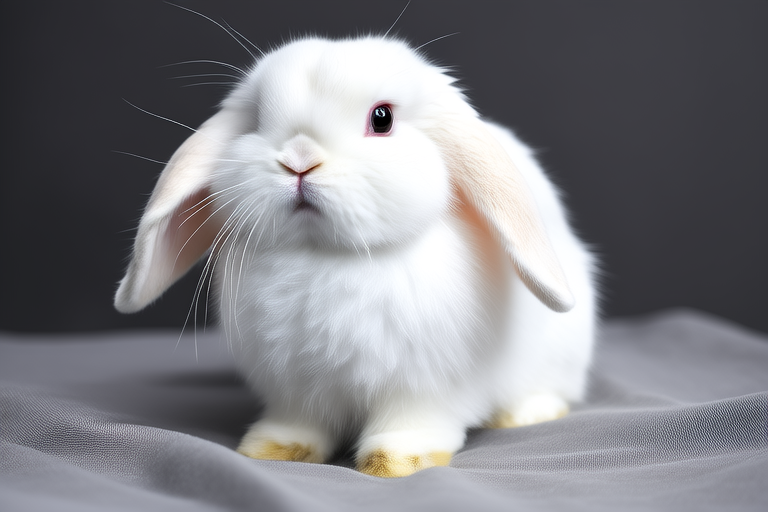
One of the most striking features of the Hotot rabbit is its appearance. They have a pure white coat that contrasts beautifully with their black or blue eyes, which are outlined in a ring of black or blue fur. This eye-catching combination makes them stand out among other breeds. Their small size and compact build make them ideal for both indoor and outdoor living, though they are often kept as pets rather than for meat production.
Origin and History
The Hotot rabbit breed was created by Eugène Énaut in 1902. His goal was to develop a breed with a white body and black or blue eyes. After years of selective breeding, he succeeded in creating the Hotot we know today. The breed quickly gained popularity in Europe and later spread to other parts of the world, including North America.
Temperament
Hotot rabbits are known for their friendly and affectionate nature. They are social animals that enjoy human interaction and can become very attached to their owners. However, they are also independent and may not always seek constant attention. Providing them with toys and activities can help keep them mentally stimulated and prevent boredom.
Dietary Needs
Like all rabbits, Hotots require a balanced diet rich in hay, fresh vegetables, and a limited amount of pellets. Timothy hay is particularly recommended as it aids in digestion and keeps teeth worn down. Fresh water should be available at all times. It’s important to introduce new foods gradually to avoid digestive upset.
Housing Requirements
Adequate housing is crucial for the well-being of your Hotot rabbit. An indoor hutch or a spacious outdoor enclosure with protection from the elements and predators is ideal. The enclosure should be large enough to allow movement and provide space for a litter box, sleeping area, and toys. Bedding should be soft and absorbent, like straw or shredded paper.
Grooming Tips
Hotot rabbits have short, dense fur that requires regular grooming to prevent matting and hairballs. Brushing them weekly with a slicker brush helps remove loose hair and distribute natural oils. During shedding season, more frequent brushing may be necessary. Bathing should be minimal, as it can stress the rabbit and disrupt their natural oils.
Exercise Needs
Rabbits are active animals that need regular exercise to stay healthy. In addition to their enclosure, they should have supervised playtime outside. A secure, rabbit-proofed area of your home or yard provides ample space for hopping, exploring, and playing. Toys and tunnels can further stimulate their minds and bodies.
Common Health Issues
While generally hardy, Hotot rabbits are susceptible to certain health issues. Dental problems, such as overgrown teeth, can occur if their diet lacks sufficient roughage. Regular dental check-ups by a veterinarian are recommended. Gastrointestinal stasis, a condition where the digestive system slows or stops, can be prevented by maintaining a healthy diet and providing plenty of exercise.
Breeding Information
If you’re considering breeding Hotot rabbits, it’s essential to understand the process and responsibilities involved. Breeding should only be done by experienced breeders who can ensure the health and well-being of the offspring. Proper nutrition, genetics, and socialization are key factors in successful breeding. Consulting with a veterinarian or experienced breeder is highly recommended before starting a breeding program.
Advice for New Owners
Bringing a Hotot rabbit into your home is an exciting adventure, but it also comes with responsibilities. Spend time learning about their care needs and preparing your home. Patience and consistency are key when training and socializing your new pet. Joining local rabbit clubs or online communities can provide valuable support and resources. Always prioritize your rabbit’s health and happiness.
Remember, each rabbit is unique, and what works for one may not work for another. Be patient, observant, and responsive to your rabbit’s individual needs. With proper care and attention, your Hotot rabbit will bring joy and companionship to your life for many years to come.
Happy rabbit-keeping!
