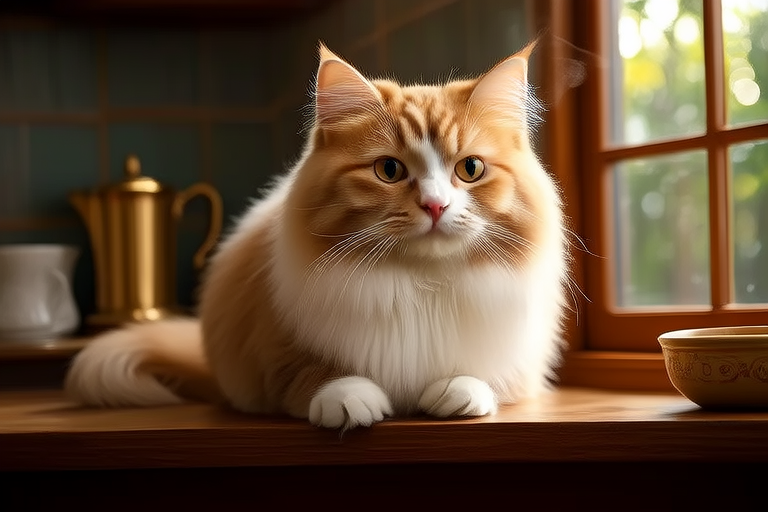
Orange Cats: Characteristics, Behaviors, and Mysteries
Orange cats, with their striking coats and distinctive personalities, have long captured the hearts of cat enthusiasts and casual observers alike. Their vibrant fur, ranging from a soft cream to a deep copper, adds a splash of color to any home. Beyond their appearance, these felines possess a unique set of traits that make them both adorable and enigmatic. This article delves into the characteristics, behaviors, and mysteries surrounding orange cats, exploring their common traits, historical perceptions, genetic factors influencing their coat color, and popular orange cat breeds. We will also analyze why these felines are often seen as either adorable or enigmatic, provide scientific insights into their purring mechanisms, and share anecdotes or studies highlighting the unique bond between humans and orange cats. Finally, we offer tips for those considering adopting an orange cat.
Common Traits and Historical Perceptions
Orange cats are known for their playful and affectionate nature, making them popular companions for families and individuals alike. Historically, these cats have been associated with various myths and legends. In ancient Egypt, they were revered as sacred animals, believed to possess magical powers. The ancient Egyptians even mummified orange cats to ensure their safe passage to the afterlife. In medieval Europe, orange cats were often considered good luck charms, believed to ward off evil spirits and protect homes. Despite these positive associations, orange cats have also been linked to witchcraft and superstition, leading to mixed perceptions about their character.
Genetic Factors Influencing Coat Color
The striking orange coloration of these felines is primarily due to a genetic mutation that affects the production of melanin, the pigment responsible for skin and hair color. This mutation results in the expression of red or orange fur instead of the typical black or brown. Interestingly, the gene responsible for this mutation is located on the X chromosome, which explains why most orange cats are male. Female cats require two copies of the orange gene to display this coloration, making orange female cats relatively rare. This genetic factor contributes to the uniqueness of orange cats and sets them apart from other feline breeds.
Popular Orange Cat Breeds
Several cat breeds are renowned for their stunning orange coats. The Maine Coon, one of the largest domestic cat breeds, is particularly famous for its luxurious, silky fur, which can range from cream to deep orange. Another popular breed is the American Shorthair, known for its sturdy build and friendly demeanor. These cats come in a variety of colors, including orange, and are often considered excellent family pets. Other notable orange cat breeds include the Persian, known for its long, flowing fur, and the Bengal, recognized for its wild appearance and energetic personality. Each breed brings its own charm and characteristics to the table, making orange cats a diverse and captivating group.
Why Orange Cats Are Adorable or Enigmatic
Orange cats are often seen as adorable due to their playful and affectionate nature. They are known for their curiosity and love of exploration, making them entertaining companions. Many people find their bright eyes and expressive faces endearing. However, some individuals may perceive orange cats as enigmatic due to their mysterious aura and sometimes unpredictable behavior. This duality in perception adds to the allure of these felines, making them fascinating subjects for study and admiration.
Scientific Insights into Purring Mechanisms
Purring is a unique vocalization that has intrigued scientists for years. Recent research suggests that purring is not just a sound but a complex physiological process involving the vibration of the diaphragm and other muscles. The frequency of purring, typically between 25 and 150 Hertz, has been shown to promote healing and reduce stress in both cats and humans. This phenomenon could explain why orange cats, known for their calming presence, are often sought after as therapy animals. Understanding the science behind purring provides valuable insights into the temperament and well-being of these beloved pets.
Anecdotes and Studies Highlighting Unique Bonds
Many anecdotal accounts and scientific studies highlight the strong bonds between humans and orange cats. For instance, a study conducted by researchers at the University of California, Davis, found that orange cats are particularly adept at reading human emotions and responding accordingly. This ability to empathize with their owners makes them ideal companions for individuals seeking emotional support. Additionally, numerous stories recount instances where orange cats have provided comfort and solace during times of distress, further emphasizing their role as cherished members of the family.
Tips for Adopting an Orange Cat
If you’re considering adopting an orange cat, there are several factors to keep in mind. First, ensure that you have a suitable environment for your new pet, providing plenty of space for play and relaxation. Secondly, invest in high-quality cat food and accessories to meet your cat’s nutritional and comfort needs. Regular veterinary check-ups are essential to maintain your cat’s health and well-being. Lastly, spend time bonding with your new companion, engaging in interactive play and offering affection. By following these tips, you can create a loving and supportive home for your orange cat, ensuring a lifetime of joy and companionship.
