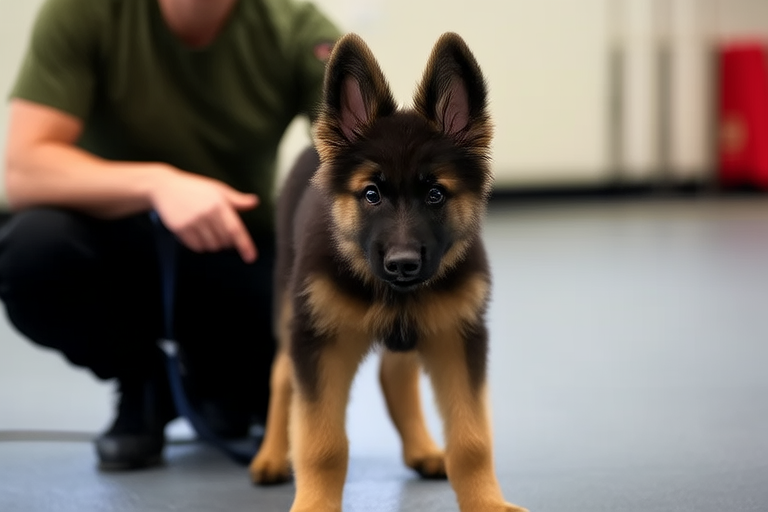
Training Tips for Raising an Exceptional German Shepherd at Home
Raising an exceptional German Shepherd requires dedication, patience, and the right approach to training. This breed is known for its intelligence, loyalty, and versatility, making it an ideal choice for families, working environments, and competitive events. However, these qualities also mean that they need proper guidance and care to reach their full potential. In this article, we will explore various aspects of training your German Shepherd at home, from early socialization to building a strong bond.
Early Socialization
The foundation of raising a well-adjusted German Shepherd begins with early socialization. Puppies are like sponges, absorbing information about their environment during critical periods of development. Introducing your puppy to different people, animals, and situations from an early age helps them become confident and adaptable. Start by exposing your puppy to various environments, such as parks, pet stores, and homes with other pets. Encourage positive interactions and reward calm behavior. This exposure will help your German Shepherd develop into a friendly and sociable adult.
Basic Obedience Training Techniques
Teaching your German Shepherd basic commands is essential for their safety and your peace of mind. Begin with simple commands like ‘sit’, ‘stay’, ‘come’, and ‘down’. Use positive reinforcement methods, such as treats, praise, and play, to encourage desired behaviors. Consistency is key in obedience training; always use the same command word and hand signals to avoid confusion. Break down each command into small steps, gradually increasing the difficulty level as your dog masters each stage. For example, start with ‘sit’ in a quiet room, then move to busier areas with distractions. With time and practice, your German Shepherd will learn to respond reliably to your commands.
The Importance of Mental Stimulation
Mental stimulation is just as important as physical exercise for your German Shepherd. This intelligent breed needs challenges to keep their minds sharp and prevent boredom. Puzzle toys, interactive games, and training sessions can provide the mental engagement they crave. Incorporate problem-solving activities, such as hiding treats for your dog to find or teaching them new tricks. Rotate toys regularly to maintain interest and introduce new challenges to keep their minds active. Engaging in mental exercises not only promotes cognitive health but also strengthens the bond between you and your dog.
Proper Nutrition
A balanced diet is crucial for maintaining your German Shepherd’s health and energy levels. High-quality dog food that meets the nutritional needs of your breed is recommended. Look for ingredients that include real meat as the primary ingredient, along with whole grains, fruits, and vegetables. Avoid foods with fillers, artificial preservatives, and colors. Consult with your veterinarian to determine the appropriate portion sizes based on your dog’s age, weight, and activity level. Proper nutrition ensures your German Shepherd has the energy and nutrients necessary for optimal performance in training and daily life.
Exercise Routines
German Shepherds are high-energy dogs that require regular exercise to stay healthy and happy. Daily walks, runs, and playtime are essential components of their routine. Aim for at least two hours of physical activity per day, including structured exercise like agility courses or fetch games. Swimming is another excellent form of exercise that can help build endurance and muscle strength. Remember to tailor your exercise routine to your dog’s individual needs and adjust as they grow older. Regular exercise not only keeps your German Shepherd physically fit but also aids in stress relief and improved behavior.
Common Behavioral Issues and Solutions
Despite their intelligence and trainability, German Shepherds may exhibit certain behavioral issues if not properly managed. Common problems include excessive barking, chewing, and separation anxiety. Addressing these issues requires understanding the root cause and implementing appropriate solutions. For instance, excessive barking might be due to boredom or seeking attention. Provide mental stimulation and teach your dog when it’s appropriate to vocalize. Chewing can be redirected to appropriate chew toys, while separation anxiety can be alleviated through desensitization techniques and gradual exposure to being alone. Seeking professional advice from a trainer or behaviorist can also be beneficial in resolving complex behavioral issues.
Advice on Building a Strong Bond with Your Dog
The relationship between you and your German Shepherd is built on trust, respect, and mutual affection. Spending quality time together, whether through training sessions, playtime, or simply cuddling, strengthens this bond. Show your dog love and affection consistently, but avoid overwhelming them with too much attention. Establish clear boundaries and rules to ensure they understand what is expected of them. Celebrate successes and milestones in their training journey, reinforcing positive behaviors and building confidence. A strong bond fosters a loyal companion who is eager to please and willing to follow your lead.
In conclusion, raising an exceptional German Shepherd at home involves a combination of early socialization, basic obedience training, mental stimulation, proper nutrition, exercise routines, addressing behavioral issues, and building a strong bond. By following these tips and tailoring your approach to your dog’s unique needs, you can help your German Shepherd reach its full potential. Remember that every dog is different, so be patient and flexible in your training methods. With dedication and love, you’ll create a well-behaved, happy, and healthy companion.
