Chameleons: Unique Behaviors, Adaptations, and Conservation
Welcome to an exciting exploration of chameleons, one of nature’s most fascinating creatures. This article delves into their unique behaviors, physical adaptations, and habitats, covering everything from their color-changing abilities to their diet and reproduction methods. We’ll also discuss recent scientific discoveries about chameleon cognition and communication, highlight conservation efforts, and provide tips for responsible pet ownership.
Physical Adaptations and Habitat
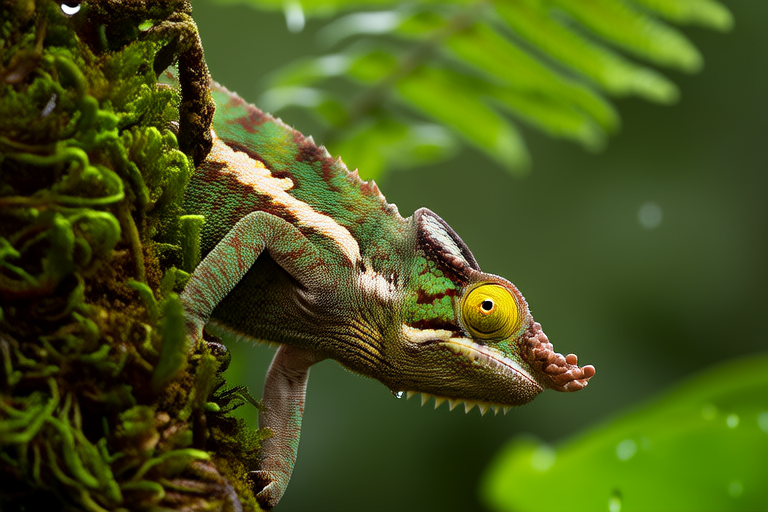
Chameleons are known for their distinctive physical traits, which include long, sticky tongues for catching prey, independently rotating eyes that allow them to see in two directions at once, and feet that are divided into two opposing groups of “fingers,” enabling them to grip branches with ease. Their bodies are covered in overlapping scales that can change color and texture, providing camouflage against predators and rivals. Chameleons live in diverse habitats, ranging from rainforests to deserts, but they prefer warm, humid climates with plenty of vegetation for cover and food.
Color-Changing Abilities
One of the most striking features of chameleons is their ability to change color. Contrary to popular belief, chameleons don’t just change colors to blend into their surroundings; they use this ability for communication, temperature regulation, and mood expression. Special cells called chromatophores contain pigments that reflect light and create different hues. These cells are controlled by the nervous system, allowing chameleons to rapidly alter their appearance based on environmental conditions or emotional states.
Diet and Feeding Habits
Chameleons are primarily insectivorous, feeding on a variety of insects such as crickets, grasshoppers, and moths. Some larger species may also consume small vertebrates like lizards or birds. They use their lightning-fast tongues, which can extend up to twice the length of their body, to capture prey. The tongue’s tip is covered in a sticky substance that adheres to the insect, ensuring a successful catch. In captivity, it’s essential to offer a balanced diet of appropriately sized insects and supplement their nutrition with vitamins and minerals.
Reproduction and Social Structures
Chameleons are solitary animals, except during mating season when males compete for females’ attention through elaborate displays of color and posture. After mating, females lay eggs in the ground or in tree hollows, depending on the species. The eggs incubate for several months before hatching, and the young chameleons are independent from birth. While chameleons are generally solitary, some species exhibit complex social interactions, including aggressive behavior and courtship rituals.
Recent Scientific Discoveries
Recent studies have revealed surprising insights into chameleon cognition and communication. Researchers have found that chameleons can recognize individual faces and respond differently to familiar and unfamiliar humans. Additionally, chameleons use specific patterns of color changes to convey messages to other chameleons, such as aggression or submission. These findings suggest that chameleons possess more advanced cognitive abilities than previously thought.
Conservation Efforts and Threats
Despite their popularity as pets, many chameleon species face significant threats in the wild, including habitat loss, illegal trade, and climate change. Conservationists are working tirelessly to protect these remarkable creatures by establishing protected areas, breeding programs, and public awareness campaigns. It’s crucial for potential pet owners to purchase chameleons only from reputable breeders who adhere to ethical practices and contribute to conservation efforts.
Tips for Responsible Pet Ownership
If you’re considering adding a chameleon to your family, there are several important factors to consider. First and foremost, ensure that you can provide a suitable environment that mimics their natural habitat, complete with appropriate lighting, temperature, and humidity levels. Regular veterinary check-ups and proper nutrition are also essential for maintaining your chameleon’s health. Always research the specific needs of the species you’re interested in before making a commitment, and remember that chameleons require a considerable time investment due to their solitary nature.
When purchasing a chameleon, choose a reputable breeder who prioritizes animal welfare and sustainability. Avoid supporting the illegal pet trade, which can harm wild populations. Finally, be prepared for the long-term commitment involved in caring for a chameleon, as they can live for several years with proper care.
Conclusion
Chameleons are truly remarkable creatures, with their unique physical adaptations, intriguing behaviors, and complex social structures. By understanding their needs and challenges, we can better appreciate these fascinating animals and work together to ensure their survival both in the wild and in captivity. Whether you’re a seasoned herpetologist or simply curious about these captivating creatures, there’s always more to learn about the world of chameleons.
