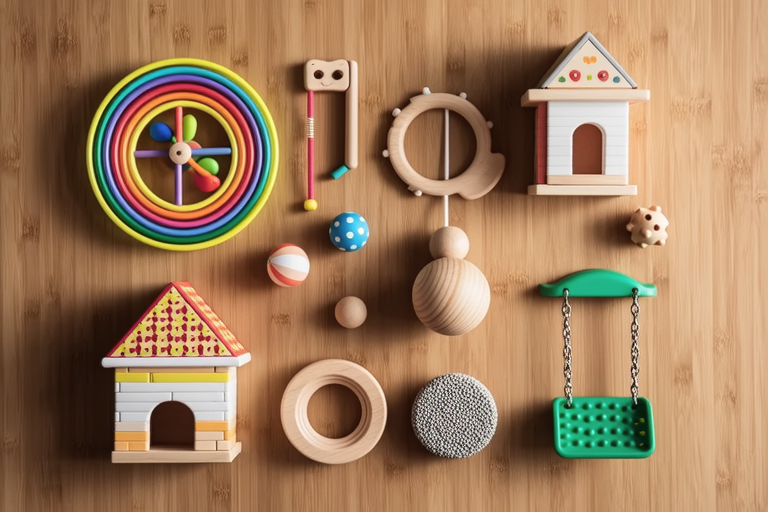
Top 10 Toys Every Hamster Owner Should Consider Buying
Hamsters are delightful little creatures that require more than just food and water to thrive. Providing them with a stimulating environment through toys can significantly enhance their physical and mental well-being. Toys help hamsters stay active, which is crucial for maintaining their overall health. They also stimulate curiosity and provide comfort, reducing stress and boredom. In this article, we will explore the top 10 toys every hamster owner should consider buying.
1. Exercise Wheels
The most common toy for hamsters is the exercise wheel. These wheels allow your pet to run at night when they are most active. A good quality exercise wheel with a solid surface prevents injuries and provides a comfortable running experience. It promotes physical fitness and helps burn excess energy, preventing obesity and related health issues.
2. Hideouts and Tunnels
Hideouts and tunnels offer a sense of security and exploration for hamsters. These toys encourage natural burrowing behavior, allowing your pet to create secret hideaways and navigate through different spaces. They are essential for hamsters who need a quiet place to rest and feel safe from potential threats.
3. Hammocks and Platforms
Hammocks and platforms provide a cozy resting spot for your hamster. These items elevate your pet above ground level, offering a different perspective of their environment. They also promote climbing, which is beneficial for muscle development and coordination. Choose materials that are soft and easy to clean for your hamster’s comfort.
4. Ladders and Bridges
Ladders and bridges challenge your hamster’s agility and balance. These toys encourage climbing and jumping, which are great forms of exercise. They also stimulate cognitive skills as your hamster figures out how to navigate these structures. Ensure the ladders and bridges are securely attached to prevent accidents.
5. Chew Toys
Chew toys are vital for dental health. Hamsters have continuously growing teeth that need regular wear to avoid overgrowth. Chew toys made from safe materials, such as untreated wood or cardboard, help keep your pet’s teeth in check. They also satisfy your hamster’s natural urge to chew, reducing destructive behaviors.
6. Balls and Spheres
Balls and spheres provide a fun way for hamsters to explore their surroundings. These toys allow your pet to move around safely outside of their cage, giving them a change of scenery. However, always supervise your hamster during playtime to ensure their safety. Look for balls with a secure opening and ventilation holes.
7. Puzzle Feeders
Puzzle feeders encourage problem-solving and mental stimulation. These toys dispense treats only when your hamster interacts with them in specific ways. This activity helps keep your pet mentally sharp and engaged, preventing boredom. Choose puzzle feeders that are appropriate for your hamster’s size and skill level.
8. Mirrors and Reflective Surfaces
Mirrors and reflective surfaces can be fascinating for hamsters. They may not recognize their reflection but might perceive it as another hamster. This interaction can stimulate social behavior and curiosity. However, some hamsters may become stressed by mirrors, so monitor your pet’s reaction and remove the toy if necessary.
9. Nesting Boxes and Soft Bedding
Nesting boxes and soft bedding create a comfortable sleeping area for your hamster. These items mimic the natural nesting behavior of wild hamsters, providing a cozy retreat. Opt for materials that are safe for ingestion, such as shredded paper or cotton, to avoid choking hazards.
10. Climbing Toys and Obstacle Courses
Climbing toys and obstacle courses combine various elements like ladders, bridges, and tunnels into one exciting setup. These complex structures challenge your hamster physically and mentally. They promote exploration and discovery, keeping your pet entertained for hours. Ensure all parts are securely fastened to prevent collapses.
Tips for Choosing Safe and Appropriate Toys
When selecting toys for your hamster, consider their age, size, and behavior. Younger hamsters may benefit from simpler toys that encourage basic motor skills, while older hamsters might enjoy more challenging activities. Smaller breeds, like dwarf hamsters, require smaller toys to prevent injury. Additionally, observe your hamster’s preferences and adjust accordingly. Some hamsters may prefer solitary play, while others enjoy interacting with you or other pets. Always prioritize safety by checking for loose parts, sharp edges, and toxic materials. Regularly inspect and clean toys to maintain hygiene and functionality.
In conclusion, toys are essential for maintaining the physical and mental health of your hamster. By providing a variety of toys that cater to different aspects of your pet’s life, you can ensure a happy and healthy companion. Whether you’re a new or experienced hamster owner, incorporating these top 10 toys into your pet’s routine will undoubtedly enrich their life and bring joy to both of you.
