Lazy Days with the Scottish Fold: Why These Cats Love Naps
Welcome to a delightful journey into the world of Scottish Fold cats, known for their unique appearance and gentle nature. These charming felines have captured the hearts of many cat enthusiasts with their distinctive folded ears and serene demeanor. In this article, we will explore the reasons behind their penchant for napping, delve into their history, and provide valuable insights on how to ensure your Scottish Fold enjoys healthy sleep patterns.
The Unique Appearance and Gentle Nature of Scottish Fold Cats
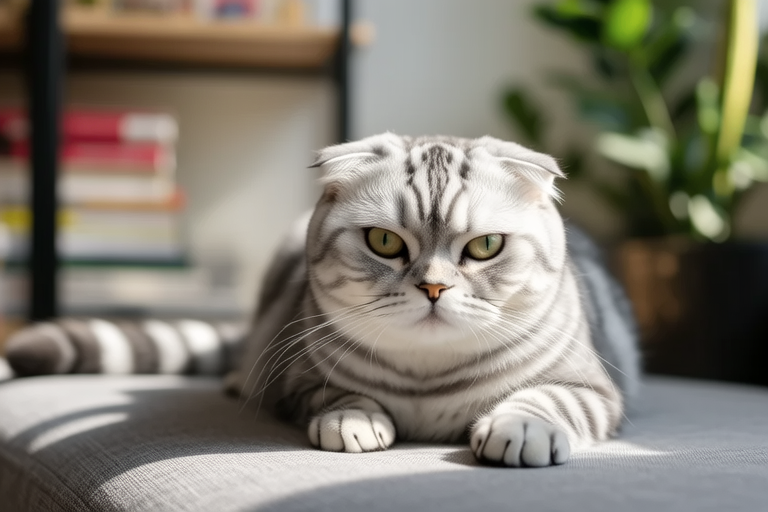
Scottish Folds are instantly recognizable due to their characteristic folded ears, which give them an endearing, owl-like appearance. This unique trait is the result of a genetic mutation that affects the cartilage in their ears, causing them to fold forward and downwards. The ears can vary in the degree of folding, ranging from a soft bend to a tightly folded ear tip. Their round faces, large eyes, and compact bodies further enhance their adorable looks.
Beyond their striking appearance, Scottish Folds are renowned for their calm and affectionate personalities. They are generally quiet and well-behaved, making them ideal companions for families or individuals seeking a laid-back pet. Their gentle nature extends to their interactions with other pets and children, making them excellent additions to multi-pet households.
Physical Traits Contributing to Their Love for Napping
The physical characteristics of Scottish Folds play a significant role in their inclination towards frequent naps. Their compact and sturdy bodies are well-suited for lounging and conserving energy. With a robust bone structure and dense fur, these cats can efficiently maintain their body temperature, reducing the need for excessive activity to stay warm.
Moreover, their folded ears contribute to their relaxed demeanor. The soft folds not only add to their aesthetic appeal but also help in muffling sounds, allowing them to remain undisturbed during their rest periods. This feature makes them less reactive to environmental stimuli, fostering a tranquil environment conducive to napping.
The History and Origin of the Scottish Fold Breed
The origins of the Scottish Fold can be traced back to Scotland in the early 1960s. A white barn cat named Susie was discovered with unusual folded ears near a farm in Perthshire. Her offspring inherited the trait, leading to the development of the breed. Initially, the breed faced challenges due to health concerns related to the genetic mutation responsible for their folded ears. However, careful breeding practices have helped mitigate these issues, resulting in a healthier and more robust breed.
The history of Scottish Folds is closely tied to their behavior. As barn cats, they were accustomed to a relatively inactive lifestyle, relying on their natural instincts for survival. This background likely contributed to their predisposition for lounging and napping, as conserving energy was crucial for their survival in the wild.
Scientific Insights on Cat Behavior
Cats, in general, are known for their high energy bursts followed by periods of rest. Scottish Folds, with their gentle disposition, tend to lean more towards the latter. Studies on feline behavior suggest that cats spend approximately 16 hours a day sleeping, with some breeds, like the Scottish Fold, leaning towards the higher end of this range.
The domestication of cats has led to a reduction in their need for constant vigilance and hunting. Consequently, they have adapted to a more leisurely lifestyle, with napping playing a vital role in their daily routine. For Scottish Folds, this adaptation is further enhanced by their inherent calmness and preference for a serene environment.
Anecdotes and Examples of Typical Lazy Day Activities
Imagine a typical lazy day with your Scottish Fold. After breakfast, your cat may choose a cozy spot, such as a sunny window sill or a soft cushion, to settle in for a long nap. Their deep sleep is often punctuated by the occasional stretch or twitch, indicating dreams of chasing birds or exploring new territories.
Throughout the day, you might find your Scottish Fold curled up in a favorite blanket, watching the world go by with half-closed eyes. They may engage in brief moments of play, such as batting at toys or chasing after shadows, before returning to their resting place. Their laziness is not a sign of disinterest but rather a testament to their contentment and satisfaction with their surroundings.
Tips for Owners to Encourage Healthy Napping Habits
To ensure your Scottish Fold stays happy and well-rested, it’s essential to create a comfortable and inviting environment for them to nap. Here are some tips:
- Provide Cozy Napping Spots: Choose areas with soft bedding and a comfortable temperature. Consider using heated beds or blankets to keep them warm during colder months.
- Establish a Routine: Cats thrive on routine. Establish a consistent schedule for feeding and playtime to help regulate their sleep patterns.
- Engage in Play: Incorporate interactive play sessions to stimulate your cat mentally and physically. Toys that mimic prey, such as feather wands or laser pointers, can be particularly effective.
- Create a Quiet Environment: Scottish Folds are sensitive to noise, so maintaining a peaceful atmosphere can help them relax and sleep better.
- Monitor Health: Regular veterinary check-ups can help identify any underlying health issues that may affect your cat’s sleep quality.
By following these guidelines, you can ensure your Scottish Fold enjoys healthy and restful naps, contributing to their overall well-being and happiness.
In conclusion, Scottish Fold cats are beloved for their unique appearance and gentle nature, which extend to their love for napping. Understanding the physical traits, historical context, and scientific insights behind their behavior can help owners provide a nurturing environment for their feline friends. By encouraging healthy napping habits, you can ensure your Scottish Fold remains content and well-rested, enjoying the simple pleasures of life.
