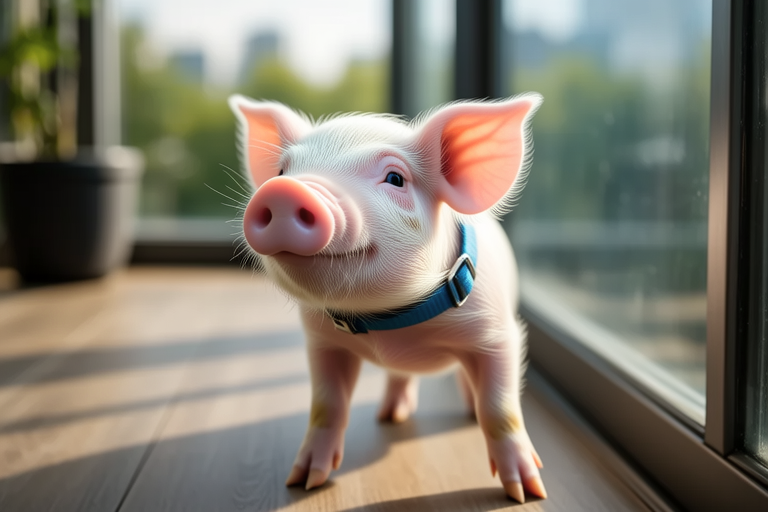
Adopting a Mini Pig: What You Need to Know Before Bringing One Home
Welcome to the world of mini pigs! These adorable, intelligent animals have become increasingly popular as pets in recent years. However, before you decide to adopt one, it’s crucial to understand their unique characteristics, needs, and the responsibilities that come with owning a mini pig. This guide will provide you with all the essential information to help you make an informed decision.
Mini Pig Characteristics
Mini pigs are not just small versions of regular pigs; they are a distinct breed with specific traits. They are highly intelligent, curious, and social creatures. Mini pigs can form strong bonds with their owners and can be trained to perform various tasks. Their intelligence also means they can quickly learn tricks, making them a joy to train. Despite their small size, mini pigs are capable of reaching weights between 50 to 70 pounds, depending on their breed and genetics.
One of the most endearing qualities of mini pigs is their expressive faces and personalities. They can display a range of emotions through their facial expressions and body language, which can be quite entertaining to observe. However, their intelligence also means they require mental stimulation to prevent boredom and destructive behaviors.
Dietary Needs
Proper nutrition is vital for the health and well-being of your mini pig. Unlike many other domesticated animals, mini pigs cannot digest large amounts of carbohydrates or sugars, so their diet must be carefully managed. A balanced diet for a mini pig typically consists of high-quality pig feed that is low in sugar and fat but rich in fiber. Vegetables and fruits can be offered as occasional treats, but they should not make up a significant portion of the diet.
Feeding your mini pig the right amount of food is equally important. Overfeeding can lead to obesity, which can cause health problems such as joint issues and heart disease. It’s recommended to consult with a veterinarian to determine the appropriate feeding schedule and quantity based on your pig’s age, weight, and activity level.
Space Requirements
While mini pigs are smaller than their full-sized counterparts, they still need ample space to thrive. Providing a suitable living environment is crucial for their physical and emotional well-being. Ideally, mini pigs should have access to both indoor and outdoor spaces. Indoors, they need a comfortable, climate-controlled area where they can sleep, play, and relax. Outdoors, a fenced yard provides room for exercise and exploration.
It’s important to ensure that the outdoor area is secure and free from hazards such as poisonous plants, sharp objects, and areas prone to flooding. Mini pigs are curious and can easily get into trouble if not properly supervised. Additionally, consider the climate in your region, as mini pigs can be sensitive to extreme temperatures. Providing shade and water during hot weather and warmth during cold weather is essential.
Health Considerations
Regular veterinary care is crucial for maintaining your mini pig’s health. Like any pet, mini pigs are susceptible to various health issues, including respiratory infections, parasites, and dental problems. Routine check-ups, vaccinations, and preventative care can help catch and address these issues early.
Another important aspect of mini pig health is hoof care. Regular trimming of their hooves is necessary to prevent overgrowth, which can lead to discomfort and difficulty walking. Consult with your veterinarian or a professional groomer to establish a routine for hoof care.
Legal Regulations Regarding Ownership
Before adopting a mini pig, it’s essential to research and comply with local laws and regulations regarding pet ownership. Many areas have specific rules about keeping pigs as pets, including size restrictions, zoning laws, and licensing requirements. Some places may even prohibit the ownership of mini pigs entirely. It’s crucial to understand these regulations to avoid legal issues and ensure that your mini pig can live happily and legally in your home.
Contact your local government offices or animal control department to gather information about the laws in your area. If there are restrictions, you may need to explore alternative housing options or reconsider whether a mini pig is the right pet for you.
Training Tips
Training a mini pig can be a rewarding experience, but it requires patience, consistency, and positive reinforcement. Mini pigs respond well to clicker training, a method that uses a clicker to signal when a desired behavior has been performed correctly. Rewarding the pig with treats and praise reinforces the behavior, encouraging the pig to repeat it.
Basic commands such as ‘sit,’ ‘stay,’ and ‘come’ can be taught using this method. It’s important to keep training sessions short and fun to maintain your pig’s interest and enthusiasm. Consistency is key; always use the same command words and reward system to avoid confusing your pig.
Training also extends beyond basic commands. Teaching your mini pig to walk on a leash and use a litter box can greatly enhance their quality of life and make them easier to manage. Patience and persistence are crucial, as some pigs may take longer to learn than others.
Advice on Integrating a Mini Pig into a Family Setting
Bringing a mini pig into your family requires careful planning and consideration. Mini pigs can be great companions, but they also need time to adjust to their new surroundings and family members. Socializing your pig from a young age can help them feel more comfortable around people and other animals.
Introducing your pig to children should be done gradually and under supervision. Children should be taught how to interact gently and respectfully with the pig. Similarly, introducing your pig to other pets requires careful monitoring to ensure compatibility and safety.
Creating a routine for your pig can help them feel secure and comfortable in their new home. Establishing consistent feeding times, playtimes, and bedtime routines can provide structure and predictability for your pig. This routine can also help reduce stress and anxiety, contributing to their overall well-being.
Conclusion
Owning a mini pig can be a delightful and enriching experience, but it comes with significant responsibilities. Understanding the unique characteristics, dietary needs, space requirements, health considerations, legal regulations, training tips, and advice on integrating a mini pig into your family setting is crucial for ensuring their happiness and well-being. By taking the time to educate yourself and prepare adequately, you can provide a loving home for your mini pig and enjoy many years of companionship and joy.
