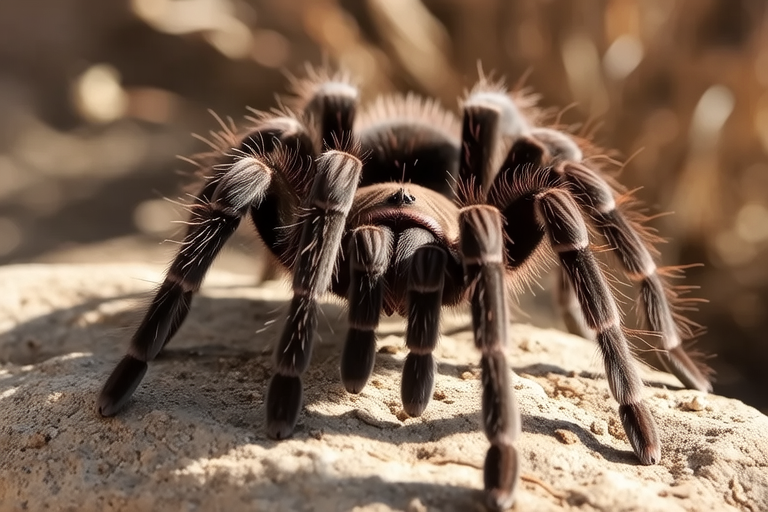
Top 10 Myths About the Chilean Rose Tarantula Busted!
The Chilean Rose Tarantula, scientifically known as Grammostola rosea, is one of the most popular tarantulas among hobbyists due to its docile nature and relatively low maintenance requirements. However, despite its popularity, many misconceptions and myths surround this fascinating spider. In this article, we will explore the top ten myths about the Chilean Rose Tarantula and set the record straight with scientific facts, behavioral insights, and care tips.
Myth 1: The Chilean Rose Tarantula Is Highly Venomous
One of the most common misconceptions about tarantulas is that they are highly venomous. While it’s true that all tarantulas possess venom, the Chilean Rose Tarantula’s venom is relatively mild. It is comparable to a bee sting and is primarily used to subdue prey rather than defend against predators. In humans, a bite may cause localized pain, swelling, and redness, but it is rarely dangerous. This makes the Chilean Rose Tarantula a safer choice for beginners compared to more venomous species.
Myth 2: All Tarantulas Are Aggressive
Contrary to popular belief, the Chilean Rose Tarantula is known for its calm and docile temperament. These spiders are generally not aggressive unless provoked or threatened. They are more likely to retreat into their burrows or shed hairs (urticating hairs) from their abdomen as a defense mechanism rather than attack. Their calm demeanor makes them an ideal pet for those interested in handling their spiders.
Myth 3: Tarantulas Are Social Creatures
Tarantulas, including the Chilean Rose, are solitary animals by nature. They prefer living alone and do not form social bonds like mammals or birds. Housing multiple tarantulas together can lead to stress, aggression, and even cannibalism. Therefore, it is essential to provide each tarantula with its own enclosure to ensure their well-being.
Myth 4: Tarantulas Require Constant Attention
Unlike some other pets, tarantulas are relatively low-maintenance. Once you have set up their habitat with appropriate substrate, temperature, and humidity levels, they require minimal daily interaction. You should feed them once a week and clean their enclosure every few months. This makes them perfect for individuals who cannot dedicate much time to their pets.
Myth 5: Tarantulas Can Only Live in Tropical Climates
The Chilean Rose Tarantula originates from the deserts and scrublands of South America, where temperatures can vary widely. They are adapted to handle fluctuations in temperature and humidity, making them suitable for various climates. However, it’s crucial to maintain a stable environment within their enclosure, typically between 75°F and 85°F (24°C to 29°C) and 60% to 80% humidity.
Myth 6: Handling Tarantulas Will Harm Them
With proper handling techniques, interacting with your Chilean Rose Tarantula can be a rewarding experience. Always wash your hands before handling to remove any potential odors that might trigger a defensive response. Gently scoop the spider onto your hand, supporting its body and legs. Avoid squeezing or pinching, as this could harm the spider. Regular, gentle handling can help your tarantula become accustomed to human interaction, making it less likely to shed hairs defensively.
Myth 7: Tarantulas Are Too Big to Keep Indoors
The Chilean Rose Tarantula is a medium-sized tarantula, reaching a leg span of about 5 inches (13 cm). This size makes them manageable for indoor habitats. A typical enclosure for an adult Chilean Rose should be at least 10 gallons, providing enough space for the spider to move around comfortably. Additionally, tarantulas are nocturnal creatures, so they are active during the night, minimizing disturbance to household activities.
Myth 8: Tarantulas Are Dirty and Unhygienic
While tarantulas don’t bathe like mammals, they are naturally clean animals. They shed their skin periodically, which helps remove dirt and debris. Providing a clean substrate and regular cleaning of the enclosure ensures a healthy environment for your tarantula. Spot clean the enclosure weekly and perform a full clean every few months, replacing the substrate entirely.
Myth 9: Tarantulas Are Noisy Pets
Tarantulas are quiet pets, making them ideal for those living in apartments or shared spaces. Unlike some other pets, such as dogs or parrots, tarantulas do not vocalize or make noise. Their movements are subtle, and they are primarily active at night, further reducing any potential disturbances.
Myth 10: Tarantulas Have Short Lifespans
The lifespan of a Chilean Rose Tarantula is longer than many people realize. Females can live up to 20 years, while males typically live around 5 to 8 years. This longevity makes them a long-term commitment, but it also means that owners can enjoy a deep bond with their pet over many years.
Care Tips for Your Chilean Rose Tarantula
Proper care is essential for the health and happiness of your Chilean Rose Tarantula. Here are some key care tips:
- Enclosure Size: Provide an appropriately sized enclosure based on the tarantula’s age and size. An adult Chilean Rose Tarantula requires at least a 10-gallon tank.
- Substrate: Use a bedding material like coconut fiber or bark chips to create a comfortable environment for burrowing and maintaining humidity.
- Humidity: Maintain humidity levels between 60% and 80% to prevent dehydration and promote molting.
- Temperature: Keep the temperature within the range of 75°F to 85°F (24°C to 29°C) to mimic their natural habitat.
- Feeding: Feed your tarantula once a week with small insects like crickets or mealworms. Ensure the prey items are smaller than the spider’s head to prevent injury.
- Molting: Be patient during molting periods. Do not disturb the tarantula, as this can be a stressful time for them.
Conclusion
The Chilean Rose Tarantula is a fascinating and rewarding pet for those willing to learn about these unique creatures. By understanding their behavior, needs, and debunking common myths, you can provide a happy and healthy home for your tarantula. Remember, tarantulas are not aggressive, highly venomous, or dirty pets; they are calm, low-maintenance, and can live for many years. With proper care, you can enjoy a long-lasting relationship with your Chilean Rose Tarantula.
