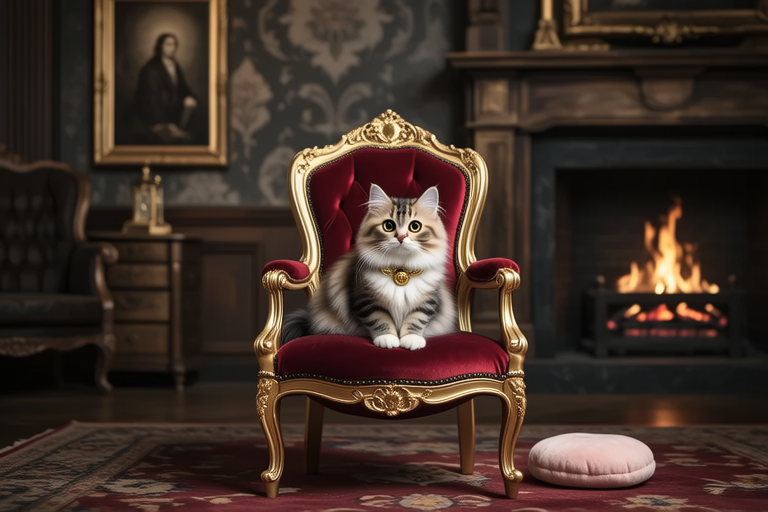
The Unique History and Characteristics of Munchkin Cats
The Munchkin cat is a relatively new breed with a fascinating history, marked by its distinctive short legs. This article delves into the origins of these adorable creatures, their initial reception, and how they eventually gained recognition and acceptance as beloved pets. We will also explore key figures and events that contributed to their growing popularity, including internet sensations and the role of social media in increasing awareness.
Origins and Early Skepticism
The Munchkin cat breed traces its roots back to the 1980s when Sandra Hochenedel discovered a pregnant stray cat with unusually short legs in Louisiana. She named this cat Blackberry, and her kittens inherited the same characteristic. Hochenedel kept one kitten, Toulouse, and gave the other, subsequent litters to friends. The breed’s name was inspired by the characters in “The Wizard of Oz,” who were known for their diminutive stature.
Initially, many in the feline community expressed skepticism about the breed’s health and viability. Critics argued that the genetic mutation responsible for the short legs could lead to serious health issues, such as spinal problems and difficulty moving. However, breeders worked tirelessly to address these concerns and ensure that the Munchkin cat remained healthy and active.
Gaining Recognition and Acceptance
In 1994, TICA (The International Cat Association) recognized the Munchkin cat as a provisional breed. This step marked a significant milestone for the breed, as it allowed them to participate in cat shows and compete for titles. Over time, the Munchkin cat gained acceptance and admiration from cat enthusiasts worldwide.
One pivotal event in the breed’s journey to recognition was the publication of a study in 2003 by Dr. Leslie Lyons, a genetics professor at the University of California, Davis. The study concluded that the Munchkin gene was not linked to any negative health effects, thereby alleviating some of the concerns raised by critics. This research provided valuable support for the breed’s proponents and helped solidify its place in the world of cat breeding.
Famous Munchkin Cats and Their Impact
Several Munchkin cats have gained fame through various mediums, showcasing their unique charm and personality traits. One notable example is Lil Bub, a Munchkin cat born without front teeth and with a permanently extended tongue. Her quirky appearance and gentle demeanor quickly captured the hearts of millions. Lil Bub became an internet sensation after her owner uploaded videos of her to YouTube, where she amassed over 2 million subscribers. Her popularity led to collaborations with musicians, artists, and even a documentary titled “Lil Bub & Friendz.”
Another famous Munchkin cat is Grumpy Cat, whose perpetually grumpy facial expression made her an instant hit on social media platforms. Despite her seemingly sour disposition, Grumpy Cat brought joy to countless people around the world. Her image appeared on merchandise, in advertisements, and even in Hollywood, where she starred alongside actors in a film called “Grumpy Cat’s Worst Christmas Ever.” These cats exemplify the unique appeal of Munchkin cats, highlighting their distinct personalities and endearing qualities.
The Role of Social Media
The rise of social media has played a crucial role in increasing awareness and acceptance of the Munchkin cat breed. Platforms like Instagram, Twitter, and TikTok have allowed owners to share photos and videos of their pets, reaching a global audience. Hashtags such as #MunchkinCat and #ShortLeggedCats have facilitated the discovery of these adorable animals, fostering communities of fans who celebrate their uniqueness.
Social media influencers and celebrities have also contributed to the breed’s growing popularity. Many well-known personalities have adopted Munchkin cats as pets, further enhancing their visibility and appeal. Additionally, viral challenges and trends featuring Munchkin cats have garnered widespread attention, cementing their status as internet sensations.
Future Prospects
As the Munchkin cat continues to gain recognition and acceptance, its future looks bright both in the world of pets and online culture. Breeders are committed to maintaining the health and well-being of these cats while preserving their distinctive features. Efforts are being made to promote responsible ownership and breeding practices, ensuring that the breed remains viable and thriving for generations to come.
In conclusion, the Munchkin cat has come a long way since its discovery in the 1980s. From facing initial skepticism to becoming beloved pets and internet sensations, these unique felines have captured the hearts of many. The role of social media in increasing awareness and acceptance cannot be overstated, and it will likely continue to play a significant role in shaping the breed’s future. As we look ahead, the Munchkin cat seems poised to maintain its place as a cherished member of the pet community and a source of joy and inspiration for millions.
