Norwegian Pets: Discover the Best Practices in Pet Care
Welcome to the world of Norwegian pets! This article aims to provide you with insights into the best practices in pet care, specifically tailored for the unique environment and culture of Norway. Whether you’re a first-time pet owner or an experienced handler, this guide will offer valuable information on dietary habits, exercise routines, grooming tips, legal requirements, and popular breeds, all while emphasizing sustainability and eco-friendly pet care methods.
Dietary Habits
When it comes to feeding your pet in Norway, a balanced diet is key. The cold climate means that pets need foods rich in nutrients to maintain their energy levels and health. Norwegian pet owners often opt for high-quality, locally sourced ingredients that are free from artificial preservatives and additives. Many choose organic and sustainable options, supporting local farmers and reducing the environmental impact of pet food production.
In terms of specific diets, fish and meat are common staples, reflecting the country’s rich fishing heritage. Omega-3 fatty acids found in fish oils are particularly beneficial for maintaining healthy skin and a shiny coat. It’s also important to consider portion control and consult with a veterinarian to ensure your pet receives the right balance of nutrients. Homemade pet food, when prepared carefully under veterinary guidance, can be a nutritious alternative to commercial pet food.
Exercise Routines
The rugged landscapes and long winters in Norway call for creative exercise routines that keep pets active and healthy. Indoor play areas, agility training, and interactive toys are popular choices, especially during the colder months. For dogs, regular walks in the snow are essential, as they provide mental stimulation and physical activity. However, it’s crucial to protect your pet’s paws with booties or paw wax to prevent irritation from ice and salt.
Swimming and hiking in the summer are excellent ways to keep your pet fit and engaged. Many Norwegians take advantage of the numerous lakes and fjords for water-based activities. Additionally, dog parks and designated off-leash areas provide opportunities for socialization and exercise. Tailoring the exercise routine to your pet’s breed and age ensures that they stay healthy and happy.
Grooming Tips Specific to Norwegian Climates
Grooming your pet in Norway requires special attention due to the harsh weather conditions. Regular brushing helps remove loose hair and prevents matting, which is particularly important for long-haired breeds. During the winter, bathing should be minimized to avoid stripping the natural oils from your pet’s skin. Instead, focus on spot cleaning and using dry shampoo.
Trimming nails and checking ears for signs of infection are vital grooming tasks. In addition, consider using a humidifier indoors to combat the dryness caused by central heating. This will help maintain your pet’s skin and coat health. For outdoor cats, regular checks for ticks and fleas are necessary, as these parasites thrive in the warmer months.
Legal Requirements for Pet Ownership
Pet ownership in Norway comes with several legal obligations. All dogs must be registered with the Norwegian Kennel Club, and microchipping is mandatory for identification purposes. Vaccinations are required by law, ensuring the health and safety of both pets and people. It’s also important to note that certain breeds may be subject to additional regulations.
Licensing your pet is another requirement, and the cost varies depending on the municipality. Responsible pet ownership includes spaying or neutering your pet to help control the population. Moreover, leash laws are strictly enforced in public spaces, ensuring the safety of both pets and pedestrians. Understanding and adhering to these rules not only benefits your pet but also contributes to the well-being of the community.
Popular Breeds
Norway has a variety of popular pet breeds that suit its climate and lifestyle. The Norwegian Elkhound is a traditional choice, known for its loyalty and adaptability to various terrains. Another favorite is the Lundehund, a rare breed with unique physical characteristics, such as extra toes, that make it ideal for navigating rocky shores.
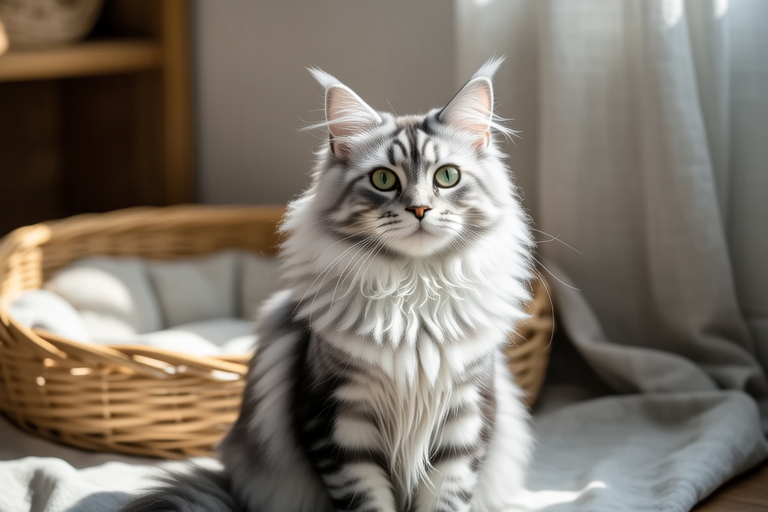
Cats are equally cherished, with the Norwegian Forest Cat being a national treasure. These cats have thick, water-resistant coats that protect them from the elements. Other popular breeds include the Siberian Husky and the Samoyed, both of which are well-suited for cold climates and enjoy outdoor activities.
Sustainability and Eco-Friendly Pet Care Methods
Sustainability is at the forefront of many Norwegian pet care practices. Choosing eco-friendly products, such as biodegradable waste bags and natural pet shampoos, reduces the environmental impact of pet ownership. Opting for recycled materials in pet toys and bedding further supports sustainable living.
Many pet owners participate in community recycling programs designed for pet waste, ensuring that biodegradable bags are properly disposed of. Additionally, adopting pets from shelters or rescue organizations instead of purchasing from breeders promotes animal welfare and reduces the demand for mass breeding operations.
Encouraging your pet to consume locally produced and organic food aligns with the principles of sustainability. Supporting local businesses and farmers not only benefits the environment but also strengthens the local economy. By making conscious choices, pet owners in Norway can contribute positively to their communities and the planet.
In conclusion, caring for pets in Norway involves a blend of traditional and modern practices, all aimed at ensuring the health and happiness of your furry friend. From dietary habits and exercise routines to grooming tips and legal requirements, there’s always something new to learn. Embracing sustainable and eco-friendly pet care methods not only benefits your pet but also contributes to a healthier planet. Happy pet parenting!
