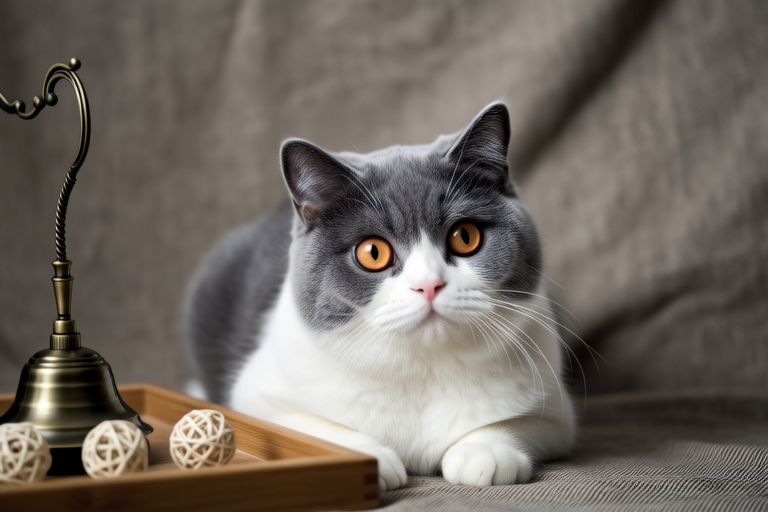
Exploring Scottish Fold Cats: Unique Characteristics, History, and Lifestyle
The Scottish Fold is a breed of cat known for its distinctive folded ears, which give it a striking appearance. This breed has a rich history and unique characteristics that make it stand out among other feline breeds. In this article, we will explore the history, physical traits, behavior, health concerns, care requirements, and suitability as pets of Scottish Folds. We will also share some personal anecdotes and dispel common myths about the breed.
History and Origin of Scottish Fold Cats
The Scottish Fold originated in Scotland in the 1960s. It all began when a barn cat named Susie, who had unusual folded ears, was found by William Ross, a farmer in Perthshire. Susie’s offspring inherited her unique ear structure, and Ross worked with a geneticist to develop the breed. The first litter of kittens born from Susie’s breeding was registered with the Governing Council of the Cat Fancy (GCCF) in the United Kingdom in 1966. However, due to concerns about ear-related health issues, the GCCF discontinued the breed in 1971. Nonetheless, the breed continued to thrive in North America, where it gained popularity for its distinctive appearance and friendly temperament.
Distinctive Floppy Ears
The most recognizable feature of the Scottish Fold is its folded ears, which give it a unique and endearing look. The fold is caused by a dominant gene that affects the cartilage in the ears, causing them to bend forward and downward. Not all Scottish Fold kittens are born with folded ears; some have straight ears, which are referred to as “single folds.” These straight-eared kittens can still be used in breeding programs to maintain genetic diversity. The degree of folding can vary, ranging from a slight bend to a complete fold that touches the head. Despite their distinctive appearance, the folded ears do not affect the cat’s hearing ability.
Common Behaviors and Temperament
Scottish Folds are known for their friendly and affectionate nature. They are social cats that enjoy spending time with their human companions and often follow them around the house. Many Scottish Folds are described as “dog-like” in their behavior, as they may greet their owners at the door, play fetch, or even learn to sit on command. They are generally calm and adaptable, making them suitable for households with children and other pets. However, like all cats, each individual has its own personality, and some may be more independent or reserved.
One notable behavior of Scottish Folds is their tendency to be lap cats. They love to curl up in cozy spots, whether it’s on your lap, in a soft blanket, or in a sunny window sill. Their compact size and rounded bodies make them perfect for cuddling. They are also known for their gentle purring and soothing presence, which can be therapeutic for their owners.
A friend of mine once shared an anecdote about her Scottish Fold, named Whiskers. She said, “Whiskers is always there when I need him. Whether I’m having a rough day at work or just want some company, he’s always ready to snuggle up and provide comfort. He’s like my own personal therapist!” This story highlights the emotional support that Scottish Folds can offer to their owners.
Health Concerns Specific to the Breed
While Scottish Folds are generally healthy cats, there are some health concerns specific to the breed that potential owners should be aware of. One of the most significant concerns is osteochondrodysplasia (OCD), a genetic disorder that affects the development of bones and cartilage. OCD can lead to arthritis and mobility issues, particularly in the tail, spine, and limbs. To minimize the risk of OCD, responsible breeders carefully select breeding pairs and avoid mating two folded-eared cats. Instead, they often pair folded-eared cats with straight-eared ones to reduce the likelihood of inheriting the gene responsible for OCD.
Another health concern for Scottish Folds is obesity. Due to their sedentary nature and love for food, these cats can easily become overweight if not provided with proper exercise and nutrition. Obesity can lead to various health problems, including diabetes, heart disease, and joint issues. Therefore, it is essential to monitor their diet and encourage regular playtime to keep them healthy and fit.
Care Requirements
Caring for a Scottish Fold involves providing them with a balanced diet, regular veterinary check-ups, and plenty of attention and stimulation. As mentioned earlier, maintaining a healthy weight is crucial for preventing obesity-related health issues. Providing a variety of high-quality cat foods and controlling portion sizes can help manage their weight. Additionally, offering interactive toys and engaging in play sessions can keep them mentally and physically stimulated.
Grooming is another important aspect of caring for a Scottish Fold. Their short, dense coat requires minimal grooming, but regular brushing can help remove loose fur and prevent matting. Bathing is usually unnecessary unless the cat gets particularly dirty. Scottish Folds are generally clean cats and spend a lot of time grooming themselves.
Veterinary care is essential for ensuring the long-term health of a Scottish Fold. Regular check-ups, vaccinations, and dental care are necessary to prevent and address any health issues early on. It is also important to have pet insurance to cover unexpected medical expenses.
Suitability as Pets
Scottish Folds are well-suited as pets for many households. Their friendly and affectionate nature makes them ideal companions for families, singles, and seniors alike. They are generally good with children and other pets, although supervision is always recommended to ensure safety. Their calm demeanor and adaptability make them suitable for apartment living, but they still require regular exercise and mental stimulation.
One potential owner, Sarah, shared her experience with her Scottish Fold, Luna. She said, “Luna has brought so much joy to our family. She’s always there to greet us when we come home and loves to participate in family activities. She’s a perfect balance of playful and laid-back, and she fits right in with our busy household.” This anecdote illustrates the positive impact that a Scottish Fold can have on a family.
Myths and Misconceptions
There are several myths and misconceptions surrounding the Scottish Fold breed that need to be addressed. One common myth is that all Scottish Folds suffer from severe health issues due to their folded ears. While it is true that some Scottish Folds may develop health problems related to their genetics, responsible breeding practices can significantly reduce the risk. By selecting appropriate breeding pairs and avoiding inbreeding, breeders can produce healthy cats without compromising their unique appearance.
Another misconception is that Scottish Folds are less intelligent than other breeds. This is simply not true. Scottish Folds are curious and inquisitive cats that enjoy exploring their surroundings and learning new things. They are capable of learning tricks and responding to training, just like any other cat.
Advice for Potential Owners
If you’re considering adopting a Scottish Fold, here are some tips to help you prepare:
- Research Responsible Breeders: Look for reputable breeders who prioritize the health and well-being of their cats. Ask about their breeding practices, health screenings, and guarantees.
- Understand the Commitment: Owning a Scottish Fold is a long-term commitment that requires time, effort, and resources. Be prepared to provide your cat with a loving home for its entire life.
- Create a Stimulating Environment: Provide your Scottish Fold with plenty of toys, scratching posts, and opportunities for play to keep them mentally and physically active.
- Monitor Health Care: Schedule regular veterinary check-ups, vaccinations, and dental care to ensure your cat stays healthy. Consider pet insurance to cover unexpected medical expenses.
- Provide Proper Nutrition: Feed your Scottish Fold a balanced diet tailored to its age, weight, and activity level. Monitor their weight and adjust portions accordingly.
In conclusion, the Scottish Fold is a unique and charming breed with a rich history and distinctive appearance. Their friendly and affectionate nature, combined with their unique folded ears, makes them popular pets for many households. By understanding their needs and taking proper care of them, you can ensure a happy and healthy life for your Scottish Fold. With the right preparation and dedication, owning a Scottish Fold can be a rewarding and enriching experience for both you and your cat.
