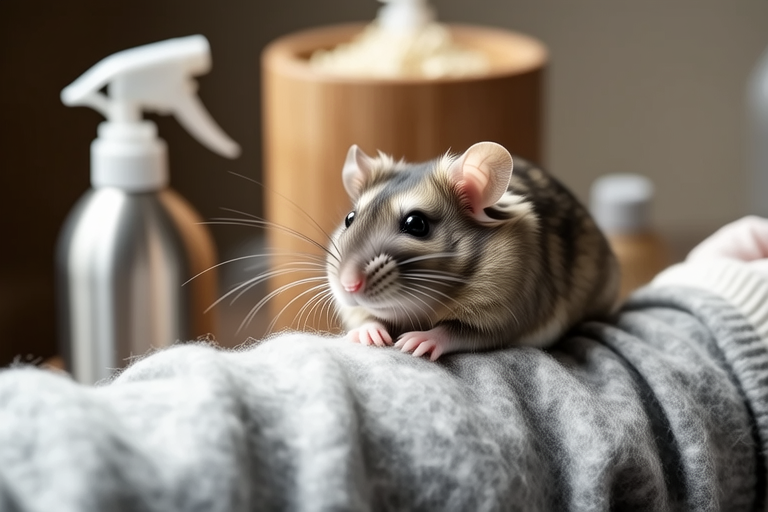
From Cage to Companion: How to Care for Your Fancy Rat Like a Pro
Welcome to the wonderful world of fancy rats! These intelligent, social, and playful creatures make fantastic pets for both first-time and experienced animal lovers. In this comprehensive guide, we will walk you through everything you need to know about caring for your fancy rat like a pro, from selecting the right cage to recognizing signs of a happy and healthy pet.
Selecting the Right Cage
The first step in providing a comfortable home for your fancy rat is choosing the right cage. A spacious and well-ventilated enclosure is crucial for their physical and mental well-being. Ideally, the cage should be at least 36 inches long, 18 inches wide, and 18 inches high. This provides ample room for your rat to move around, play, and explore.
Wire cages are popular choices as they allow for good air circulation. However, ensure that the wire spacing is small enough to prevent your rat from escaping or getting injured. Plastic or glass aquariums can also be used but require careful ventilation to prevent humidity buildup.
Personal experience has taught me that placing the cage away from direct sunlight and drafts is essential. Rats prefer a quiet, stable environment with minimal temperature fluctuations. Additionally, consider the location of the cage in relation to other household activities; rats are nocturnal animals and may become stressed by loud noises or frequent disturbances.
Essential Cage Accessories
Once you have chosen the perfect cage, it’s time to furnish it with necessary accessories. Start by adding a solid-bottomed bedding material such as shredded paper, recycled paper pellets, or aspen shavings. Avoid cedar and pine shavings, as they can irritate your rat’s respiratory system.
Provide multiple levels within the cage using platforms, ramps, and tunnels. These additions encourage exercise and mental stimulation. Rats enjoy climbing and exploring, so incorporating vertical elements into their habitat keeps them entertained.
In addition to climbing structures, include soft nesting materials like fleece blankets or towels for your rat to snuggle in. Chew toys made from untreated wood or safe plastic materials help keep their teeth trimmed and minds engaged. A water bottle with a metal sipper tube ensures constant access to fresh water.
Diet and Nutrition Tips
Fancy rats thrive on a balanced diet rich in protein, carbohydrates, fats, vitamins, and minerals. Their primary food source should consist of commercial rat pellets designed specifically for their nutritional needs. Supplement these pellets with fresh vegetables and fruits, offering variety to meet different dietary requirements.
Avoid feeding your rat sugary treats excessively, as they can lead to obesity and dental problems. Instead, offer occasional healthy snacks like leafy greens (spinach, kale), carrots, broccoli, apples, and bananas. Always introduce new foods gradually to monitor for any adverse reactions.
Hydration is equally important. Ensure clean water is always available through a sipper bottle attached securely to the side of the cage. Regularly check and refill the bottle to maintain freshness.
Grooming and Hygiene Practices
Regular grooming helps maintain your rat’s coat condition and prevents potential health issues. Use a soft-bristled brush to gently comb through their fur weekly, removing loose hairs and dirt. Bathing isn’t necessary unless absolutely needed, as over-bathing can strip natural oils from their skin.
Maintaining cleanliness inside the cage promotes better overall health for your pet. Spot clean daily by removing soiled bedding and replacing it with fresh materials. Perform a thorough cleaning every week, washing all non-substrate items with mild soap and warm water before rinsing thoroughly and allowing them to dry completely.
Pay attention to your rat’s nails, which grow continuously. Trim them regularly using nail clippers designed for small animals. Be cautious not to cut too close to the quick, as this can cause bleeding and discomfort.
Handling and Socializing Techniques
Proper handling builds trust between you and your rat while ensuring safety for both parties involved. Approach your rat calmly and gently, speaking softly to reassure them. Place one hand under their chest and support their hindquarters with your other hand when picking them up.
Socialization plays a vital role in shaping your rat’s behavior and temperament. Spend quality time interacting with your pet daily, engaging in play sessions, teaching tricks, and simply enjoying each other’s company. Positive reinforcement methods work best when training your rat, rewarding desired behaviors with treats or praise.
Encourage interaction with family members, especially children, under adult supervision. Teaching others how to handle and respect your rat fosters a bond among all household members.
Common Health Issues
Despite proper care, sometimes our furry friends encounter health challenges. Recognizing early signs of illness allows prompt intervention and treatment. Common ailments include respiratory infections, dental problems, tumors, and gastrointestinal disorders.
Respiratory infections often manifest as sneezing, wheezing, runny nose, or labored breathing. Prompt veterinary attention is crucial if you notice these symptoms. Dental issues might present themselves through drooling, difficulty eating, or swollen cheeks. Tumors can occur anywhere on the body; consult a vet immediately upon discovery.
Gastrointestinal problems could involve diarrhea, constipation, or refusal to eat. Changes in appetite, energy levels, or overall demeanor warrant immediate attention. Always seek professional advice rather than attempting self-diagnosis or treatment.
Signs of a Happy and Healthy Rat
A content and thriving rat exhibits certain behaviors and physical characteristics indicative of good health. Active exploration, curiosity towards new objects, and enthusiasm during playtime suggest a happy pet. Clear eyes, glossy coat, regular grooming habits, and steady weight are additional positive indicators.
Healthy rats also display consistent eating patterns and produce firm stools. They should be responsive to human interaction and show interest in social activities. Monitoring these aspects regularly helps identify any deviations from normal behavior promptly.
Remember, every rat has unique preferences and personalities. Understanding your individual pet’s specific needs contributes significantly to maintaining their happiness and well-being.
Caring for a fancy rat involves dedication, love, and continuous learning. By following the guidelines outlined above, you’ll be well-equipped to provide your beloved companion with a loving home filled with joy and adventure. Enjoy this incredible journey together!
