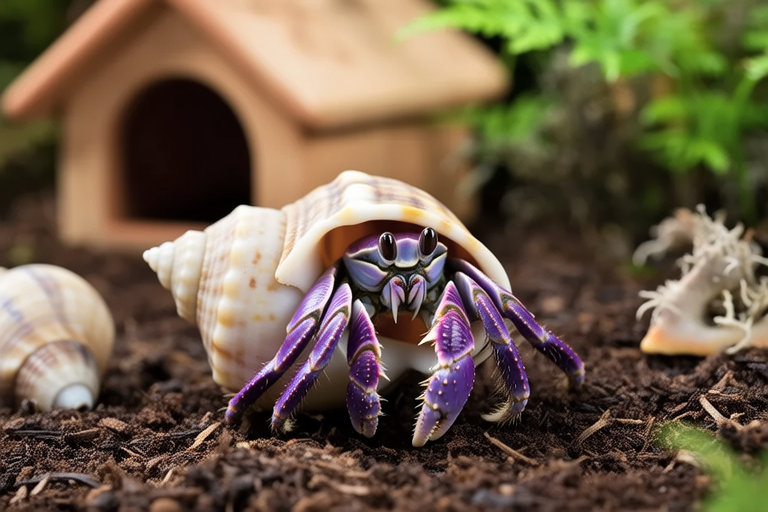
Hermit Crab Housing: The Ultimate Guide to Setting Up Their Perfect Shell
Hermit crabs are fascinating creatures that require a well-thought-out habitat to thrive. Providing the right environment is crucial for their health and happiness. This comprehensive guide will walk you through everything you need to know about setting up the perfect home for your hermit crabs, including shell selection, substrate requirements, temperature and humidity levels, dietary needs, tank mate compatibility, and common mistakes to avoid.
Selecting Appropriate Shells
One of the most important aspects of hermit crab care is providing them with suitable shells. Hermit crabs use shells as protection and shelter, so it’s essential to choose the right ones. Here are some key points to consider:
- Size: Ensure that the shell is large enough for your hermit crab to fit comfortably inside. It should be spacious enough for the crab to fully retract its body but not too big or small.
- Shape: Hermit crabs prefer shells with a wide opening and a smooth interior. Avoid shells with sharp edges or narrow openings, as they can cause injury.
- Condition: Inspect the shell for any cracks, holes, or damage. Cracks can weaken the shell’s structure, making it unsafe for your hermit crab. Holes may allow water to seep inside, leading to mold growth.
- Availability: Provide a variety of shells in different sizes and shapes to accommodate your hermit crabs’ changing needs. As they grow, they will outgrow their current shells and need larger ones.
It’s also important to note that hermit crabs have individual preferences when it comes to shell selection. Some may prefer spiral shells, while others may favor conical ones. Offering a diverse selection will ensure that each crab finds a suitable home.
Substrate Requirements
The substrate, or bedding material, plays a vital role in maintaining the overall health of your hermit crabs. A proper substrate provides a comfortable surface for digging, burrowing, and molting. Here are some substrate options to consider:
- Coco fiber: Coco fiber, also known as eco-earth, is a popular choice for hermit crab substrates. It holds moisture well, creating a humid environment that mimics their natural habitat. Additionally, it allows for easy digging and burrowing.
- Play sand: Play sand, specifically silica sand, is another excellent option. It is fine-grained and dust-free, making it ideal for hermit crabs. Silica sand is also lightweight, allowing the crabs to move it around easily.
- Shell grit: Shell grit, made from crushed shells, adds calcium to the substrate. This is particularly beneficial for hermit crabs, as calcium is essential for their exoskeleton development.
- Mixtures: You can create a custom mixture by combining two or more substrate types. For example, mixing coco fiber and play sand can provide both moisture retention and ease of movement.
Regardless of the substrate you choose, it’s important to keep it clean and free of contaminants. Regularly check for any signs of mold or bacteria growth and replace the substrate as needed. Additionally, provide plenty of substrate depth (at least 6 inches) to allow for ample digging and burrowing space.
Temperature and Humidity Levels
Hermit crabs are tropical animals that thrive in warm, humid environments. Maintaining the correct temperature and humidity levels is crucial for their well-being. Here are some guidelines:
- Temperature: Hermit crabs prefer temperatures between 70-80°F (21-27°C). Use a reliable thermometer to monitor the temperature within the enclosure. If necessary, you can use a heat mat or under-tank heater to maintain the desired range.
- Humidity: The ideal humidity level for hermit crabs is between 70-80%. To achieve this, mist the enclosure regularly using a spray bottle or automatic mister. You can also add a shallow water dish filled with dechlorinated water to help increase humidity.
It’s important to avoid extreme temperature fluctuations or sudden changes in humidity. Gradual adjustments are safer for your hermit crabs. Additionally, ensure proper ventilation within the enclosure to prevent condensation buildup, which can lead to mold growth.
Dietary Needs
Hermit crabs are omnivores, meaning they eat both plant and animal matter. Providing a balanced diet is essential for their health and longevity. Here are some dietary recommendations:
- Fruits and vegetables: Offer a variety of fresh fruits and vegetables, such as apples, bananas, carrots, and leafy greens. These foods provide essential vitamins and minerals.
- Protein sources: Insects, such as mealworms, crickets, and dubia roaches, are excellent protein sources for hermit crabs. You can also offer cooked meat or fish in moderation.
- Variety: Rotate the types of food you offer to ensure a well-rounded diet. This helps prevent nutritional deficiencies and keeps your hermit crabs interested in their meals.
- Calcium supplements: Crushed eggshells or calcium powder can be added to their food to promote healthy exoskeleton development.
Always provide fresh water in a shallow dish. Change the water daily to prevent bacterial growth. Additionally, avoid feeding your hermit crabs processed human foods, as they may contain harmful additives or preservatives.
Tank Mate Compatibility
Hermit crabs are generally social creatures and enjoy the company of their own kind. However, it’s important to choose compatible tank mates to ensure peaceful coexistence. Here are some considerations:
- Species: Different species of hermit crabs may have varying care requirements. Research the specific needs of each species before introducing them into the same enclosure.
- Size: Larger hermit crabs may dominate smaller ones, leading to stress or injury. Aim for similar-sized crabs to maintain harmony within the enclosure.
- Shell competition: Provide an abundance of shells for all hermit crabs in the enclosure. This reduces the likelihood of shell fights and ensures that each crab has access to a suitable home.
While hermit crabs can live harmoniously with certain species of fish or other invertebrates, it’s essential to research their compatibility thoroughly. Some tank mates may pose a threat to hermit crabs, either through direct aggression or by altering the environmental conditions.
Common Mistakes to Avoid
Setting up the perfect home for your hermit crabs requires attention to detail. Here are some common mistakes to avoid:
- Using tap water: Tap water often contains chlorine and chloramines, which can be harmful to hermit crabs. Always use dechlorinated or distilled water for their dishes and misting.
- Overcrowding: Providing ample space for each hermit crab is crucial. Overcrowded enclosures can lead to stress, fighting, and reduced quality of life.
- Ignoring environmental changes: Hermit crabs are sensitive to changes in temperature and humidity. Monitor these factors closely and make adjustments as needed to maintain optimal conditions.
- Lack of enrichment: Hermit crabs benefit from a stimulating environment. Incorporate toys, tunnels, and hiding spots to encourage exploration and mental stimulation.
By avoiding these common pitfalls and following the guidelines outlined in this guide, you can create a thriving habitat for your hermit crabs.
Conclusion
Setting up the perfect home for your hermit crabs involves careful consideration of their specific needs. By selecting appropriate shells, providing the right substrate, maintaining optimal temperature and humidity levels, offering a balanced diet, choosing compatible tank mates, and avoiding common mistakes, you can ensure the health and happiness of your hermit crabs. With proper care and attention, your hermit crabs will thrive in their new environment, bringing joy and fascination to your home.
