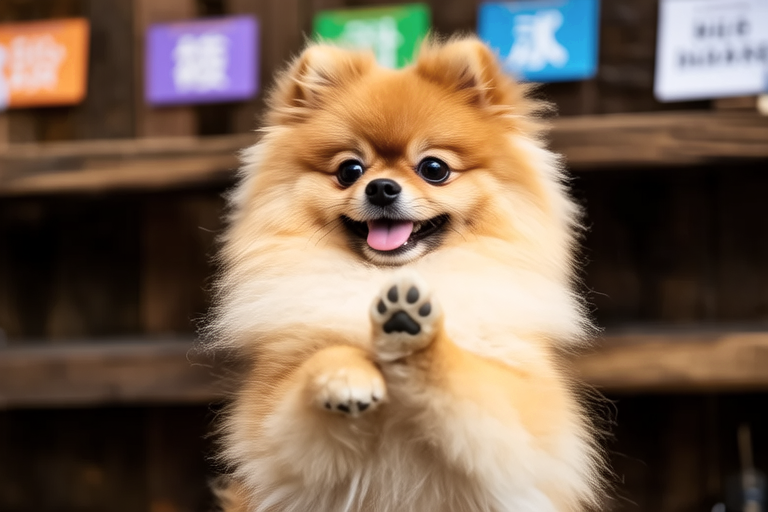
Pomeranians Unleashed: Top Tricks and Training Tips
Welcome to the world of Pomeranians, one of the most beloved and popular dog breeds across the globe. These tiny yet mighty companions are known for their fluffy coats, alert demeanor, and cheerful disposition. Pomeranians, originally from the region around the Baltic Sea, were bred down from much larger Spitz-type dogs. Despite their small size, they possess a big personality that makes them stand out as loyal and devoted companions. Their intelligence, combined with their natural curiosity, makes them excellent candidates for training. In this comprehensive guide, we will explore the top tricks and training tips for your Pomeranian, ensuring you have a well-behaved and happy pet.
Introduction: The Popularity and Unique Traits of Pomeranians
Pomeranians have captured the hearts of many dog lovers due to their distinctive appearance and charming personality. With their thick, luxurious fur and expressive eyes, these dogs are often described as miniature foxes. They come in a variety of colors, including orange, black, cream, and sable. Their alertness and loyalty make them ideal watchdogs, despite their diminutive stature. However, their small size also means they require careful handling and gentle training techniques.
One of the key aspects of owning a Pomeranian is understanding their unique needs and characteristics. These dogs are highly intelligent and can be stubborn at times, making training both challenging and rewarding. Their small size and high energy levels mean they need consistent exercise and mental stimulation to stay healthy and happy. Proper training is essential to ensure they become well-adjusted members of your family. By mastering basic obedience commands and teaching them fun tricks, you can strengthen your bond with your furry friend and enjoy a fulfilling relationship.
Basic Obedience Training
Training your Pomeranian starts with establishing clear communication and setting boundaries. Basic obedience commands such as ‘sit,’ ‘stay,’ ‘come,’ and ‘heel’ are crucial for maintaining control and safety. Begin by teaching your Pomeranian to ‘sit.’ Hold a treat above its nose and move it slightly back towards its head. As your dog follows the treat, its bottom will naturally lower to the ground. Once it sits, praise it and give the treat. Repeat this process several times until your dog understands the command.
Teaching your Pomeranian to ‘stay’ involves building on the ‘sit’ command. After your dog sits, extend your hand palm forward while saying ‘stay.’ Take a step back and observe if your dog remains in place. If it does, return and reward it with a treat and praise. Gradually increase the distance and duration of the ‘stay’ command. Consistency is key here; practice regularly to reinforce the behavior.
The ‘come’ command is vital for ensuring your Pomeranian’s safety. Start by calling your dog’s name followed by ‘come.’ Use an excited tone and encourage it with a treat or toy. When your dog approaches, reward it immediately. Practice in different environments and gradually increase the distractions to build reliability. Finally, the ‘heel’ command helps maintain control during walks. Walk beside your dog, holding the leash loosely, and say ‘heel.’ Reward your dog for walking beside you without pulling.
Common Tricks Your Pomeranian Can Learn
In addition to basic obedience commands, Pomeranians can learn various entertaining and impressive tricks. Teaching your dog to roll over requires patience and positive reinforcement. Start by having your dog lie down. Encourage it to turn onto its side and then its back, offering treats and praise for each movement. Once it completes the full roll, reward it and repeat the process until it masters the trick.
Another fun trick to teach is ‘play dead.’ Begin with your dog lying down. Gently press its shoulder to simulate a fall, then encourage it to remain still with a treat. Once it stays in position, reward it and gradually increase the duration. For more advanced tricks like ‘shake hands,’ hold a treat near your dog’s paw and lure it to raise its paw. Once it does, say ‘shake’ and give the treat. Repeat the process until your dog associates the command with the action.
Teaching your Pomeranian to fetch can be a great way to engage in active play. Start by throwing a soft toy a short distance and encouraging your dog to retrieve it. Once it brings the toy back, praise it and throw it again. Gradually increase the distance and complexity of the game. Fetching not only strengthens the bond between you and your Pomeranian but also provides valuable exercise.
Tips for Effective Training Methods
Effective training hinges on positive reinforcement and consistency. Positive reinforcement involves rewarding desired behaviors with treats, praise, or toys. This method encourages your Pomeranian to repeat the behavior because it leads to a pleasant outcome. Avoid punishment-based training, as it can lead to fear, anxiety, and reluctance to learn. Instead, focus on rewarding good behavior and redirecting unwanted actions.
Consistency is equally important. Use the same commands and cues every time, and ensure all family members follow the same training approach. This helps your Pomeranian understand what is expected and reinforces the learning process. Additionally, keep training sessions short and frequent, typically 5-10 minutes at a time. Pomeranians have short attention spans, so keeping sessions brief ensures they remain engaged and motivated.
Patience is crucial when training your Pomeranian. Every dog learns at its own pace, and some may take longer to grasp certain commands or tricks. Stay calm and persistent, offering encouragement and rewards throughout the process. Celebrate small victories to keep both you and your dog motivated. Remember, training is a journey, and the goal is to build a strong, trusting relationship based on mutual respect and understanding.
Socializing Your Pomeranian
Socialization is essential for raising a well-rounded and confident Pomeranian. Expose your dog to various people, animals, and environments from an early age. This helps them develop appropriate social skills and reduces the risk of behavioral issues later in life. Introduce your Pomeranian to different sights, sounds, and experiences in a controlled and positive manner. For example, take them to dog parks, invite friends over, and introduce them to children and other pets.
During socialization, always prioritize safety and comfort. Keep initial interactions brief and gradually increase exposure as your dog becomes more comfortable. Monitor your Pomeranian’s body language for signs of stress or discomfort, and adjust accordingly. Socialization should be enjoyable for both you and your dog, fostering a positive association with new experiences.
If your Pomeranian shows signs of aggression or fearfulness, seek professional help from a certified trainer or behaviorist. Early intervention can prevent these issues from escalating and ensure your dog becomes a well-adjusted member of your family.
Addressing Behavioral Issues
Despite proper training and socialization, some Pomeranians may exhibit behavioral issues such as excessive barking, chewing, or separation anxiety. Understanding the underlying causes of these behaviors is crucial for finding effective solutions.
Excessive barking can be addressed by identifying triggers and implementing management strategies. For instance, if your Pomeranian barks excessively when left alone, consider crate training or providing interactive toys to keep them occupied. Teaching your dog the ‘quiet’ command can also be helpful. When your dog stops barking, reward it with a treat and praise. Over time, it will associate silence with positive reinforcement.
Chewing is a natural behavior for puppies but can become problematic if not redirected properly. Provide your Pomeranian with appropriate chew toys and discourage chewing on household items. Redirect your dog’s attention to the correct object and praise it for choosing the right item. Consistent supervision and timely redirection are key to preventing destructive chewing.
Separation anxiety can be distressing for both you and your Pomeranian. Gradually acclimate your dog to being alone by leaving it for short periods and gradually increasing the duration. Create a comfortable and secure space for your dog, such as a crate or a designated room. Provide comforting objects like blankets or toys to help ease their anxiety. Consider using calming aids like pheromone diffusers or natural remedies under veterinary guidance.
Conclusion: Caring for Your Pomeranian
Raising a well-trained and happy Pomeranian requires dedication, patience, and love. By following the training tips outlined in this guide, you can strengthen your bond with your furry companion and ensure a harmonious relationship. Remember to provide consistent positive reinforcement, maintain regular socialization, and address any behavioral issues promptly. With proper care and attention, your Pomeranian will thrive, bringing joy and companionship to your life.
Lastly, don’t forget about the importance of regular health check-ups and grooming. Pomeranians have a dense double coat that requires brushing at least three times a week to prevent matting and reduce shedding. Regular dental care, nail trimming, and ear cleaning are also essential for maintaining your dog’s overall health. A balanced diet, appropriate exercise, and plenty of love and attention will ensure your Pomeranian enjoys a long and healthy life.
