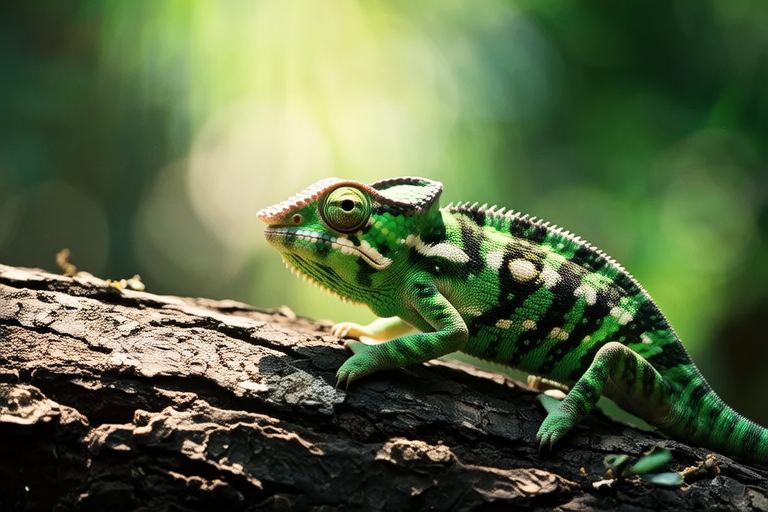
Adorable Yet Misunderstood: Everything You Didn’t Know About Chameleons
Chameleons are one of nature’s most unique and fascinating creatures, often misunderstood due to their peculiar physical traits and behaviors. These captivating reptiles have intrigued humans for centuries, inspiring countless myths and legends. This article aims to shed light on the truth behind these charming animals, providing you with an engaging and comprehensive overview of everything you didn’t know about chameleons.
Unique Physical Characteristics
One of the most striking features of chameleons is their ability to change colors, which has earned them a reputation for being masters of disguise. However, this remarkable skill serves purposes beyond mere camouflage. Chameleons possess specialized cells called chromatophores, which contain pigments that can expand or contract, altering the appearance of their skin. This biological mechanism allows chameleons to express a wide range of emotions, from excitement to stress, as well as regulate their body temperature.
In addition to their color-changing abilities, chameleons have several other distinctive features. Their eyes, for instance, can move independently of each other, allowing them to scan their environment for potential threats or prey without moving their head. Their long, sticky tongues are another remarkable adaptation, capable of extending up to twice their body length to catch insects with lightning speed.
Dietary Habits
Chameleons are primarily insectivorous, feeding on a variety of small insects such as crickets, grasshoppers, and locusts. Their diet is crucial not only for survival but also for maintaining optimal health. A balanced diet ensures proper nutrition and supports the development of their vibrant colors and efficient hunting techniques. Pet owners must be mindful of offering a diverse selection of prey items to mimic the varied diet found in the wild.
It’s important to note that while chameleons can consume nectar and plant matter, these should not form a significant part of their diet. Overfeeding plants can lead to nutritional deficiencies and other health issues.
Misconceptions About Chameleons
One of the most widespread misconceptions about chameleons is that they change color solely to blend into their surroundings. While camouflage does play a role, it is far from the primary reason. Chameleons use their color-changing abilities for communication, thermoregulation, and expressing emotional states. For example, males may display bright colors during courtship rituals, while females might show darker hues when they are stressed or sick.
Another myth is that chameleons can change into any color at will. In reality, their color palette is limited to shades within their natural range, influenced by genetics and environmental factors.
Natural Habitats and Behaviors
Native to Africa, Madagascar, southern Europe, and parts of Asia, chameleons inhabit a variety of environments, from dense forests to arid deserts. They are solitary creatures, preferring to live alone rather than in groups. This behavior is reflected in their territorial nature, where they fiercely defend their space against intruders.
Chameleons are diurnal animals, meaning they are active during the day. They spend much of their time basking in the sun to warm up their bodies and digest food efficiently. Their arboreal lifestyle means they are excellent climbers, using their strong feet and prehensile tails to navigate through trees and branches with ease.
Tips for Keeping Chameleons as Pets
If you’re considering adopting a chameleon as a pet, it’s essential to understand the specialized care they require. First and foremost, provide a spacious enclosure that mimics their natural habitat, complete with climbing structures and plenty of foliage. Proper lighting is crucial, as chameleons need ultraviolet (UV) light to synthesize vitamin D3, which aids in calcium absorption.
Temperature control is equally important, as chameleons are ectothermic and rely on external heat sources to regulate their body temperature. Maintain a gradient within the enclosure, with a warm side for basking and a cooler area for resting. Humidity levels should also be carefully managed to prevent dehydration and respiratory infections.
Feeding your chameleon a balanced diet is vital for its overall health. Offer a variety of appropriately sized insects daily, dusted with calcium and vitamin supplements to ensure adequate nutrition. Regular veterinary check-ups are recommended to monitor your pet’s health and address any potential issues early.
In conclusion, chameleons are adorable and fascinating creatures deserving of our admiration and respect. By understanding their unique biology, behaviors, and needs, we can appreciate these remarkable animals fully. Whether in the wild or as pets, chameleons offer a window into the wonders of nature, inviting us to explore and learn more about the incredible diversity of life on our planet.
