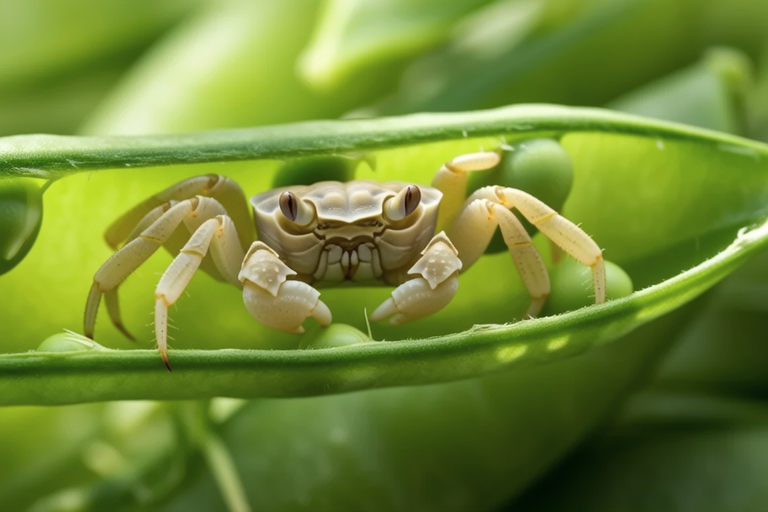
Little Known Secrets of the Fascinating Pea Crab Lifestyle
In the vast ocean, where mysteries abound and secrets are hidden beneath the waves, there exists a tiny but extraordinary creature known as the pea crab. This diminutive crustacean, no larger than a thumbnail, leads a lifestyle that is both fascinating and complex. Its existence is a testament to the intricate web of life in the marine ecosystem. Let us delve into the little-known secrets of the pea crab, uncovering its unique aspects, from its symbiotic relationships to its preferred habitats and feeding habits.
The Tiny Architects: An Introduction to Pea Crabs
The pea crab (Pinnotheridae) is a family of small crabs that live inside the bodies of various marine organisms, primarily bivalves like oysters and clams. These crabs are named for their resemblance to the edible pea, and they are found in oceans worldwide. Their small size and elusive nature have made them a subject of intrigue for marine biologists and enthusiasts alike.
Pea crabs are part of a group of animals known as symbionts, organisms that live in close association with other species. In the case of pea crabs, this relationship is obligatory, meaning the crabs cannot survive without their host. The host, in turn, provides shelter and protection for the crabs, while the crabs offer some form of benefit to the host. This mutualistic relationship is one of the most remarkable aspects of the pea crab’s lifestyle.
Symbiosis: A Dance of Dependence
The relationship between pea crabs and their hosts is a delicate dance of dependence. Pea crabs enter the mantle cavity of their hosts, which is the space between the two shells of the bivalve. Once inside, they feed on the host’s reproductive organs, particularly the gonads. This might sound alarming, but it is a crucial part of the symbiosis. By consuming these organs, pea crabs ensure that their hosts do not reproduce excessively, thereby maintaining a balance in the ecosystem.
One of the most intriguing aspects of this symbiotic relationship is the way pea crabs influence their hosts’ behavior. Studies have shown that hosts carrying pea crabs tend to move more frequently, which may help them avoid predators. This increased mobility can also lead to better access to food sources, further benefiting the host. It’s a classic example of how nature’s intricate design can lead to unexpected benefits for all involved.
Imagine if you had a tiny companion living inside your body, helping you stay healthy and active. While it might sound like something out of a science fiction novel, this is the reality for many marine bivalves hosting pea crabs.
Habitat Preferences: The Pea Crab’s Home Sweet Home
Pea crabs are highly adaptable creatures, capable of thriving in a variety of marine environments. They are most commonly found in coastal waters, where they inhabit the soft tissues of bivalves such as oysters, clams, and scallops. However, their habitat preferences extend beyond just geographical locations. Pea crabs also exhibit a preference for certain types of hosts based on their own developmental needs.
The choice of host is critical for pea crabs, as it determines their survival and reproductive success. Female pea crabs, for instance, prefer hosts with large, well-developed gonads, as these provide ample nutrients for the development of their eggs. Male pea crabs, on the other hand, tend to choose hosts that offer protection and easy access to potential mates. This selective behavior ensures that pea crabs are always in the right place at the right time, maximizing their chances of survival and reproduction.
Think of the pea crab’s habitat as a carefully curated home, tailored to meet its specific needs. Just as we humans choose our homes based on comfort, safety, and proximity to resources, pea crabs make similar choices when selecting their hosts.
Feeding Habits: From Hosts to Reproduction
The feeding habits of pea crabs are as fascinating as their symbiotic relationships. As mentioned earlier, pea crabs primarily consume the reproductive organs of their hosts. This diet is rich in nutrients, providing the crabs with the energy they need to grow and reproduce. However, the story doesn’t end there. Pea crabs also play a crucial role in nutrient cycling within their ecosystems.
By consuming the reproductive organs of their hosts, pea crabs prevent overpopulation, ensuring that the host species remains in balance with its environment. This, in turn, maintains the health of the entire ecosystem. Additionally, the waste products produced by pea crabs serve as a valuable source of nutrients for other marine organisms, contributing to the overall productivity of the marine environment.
Consider the pea crab as a tiny gardener, carefully tending to its host plant to ensure its health and growth. In doing so, it not only benefits itself but also contributes to the well-being of the entire garden.
The Life Cycle: From Egg to Adult
The life cycle of a pea crab is a journey filled with challenges and transformations. It begins with the release of fertilized eggs by the female crab, which she carries on her abdomen until they hatch. Once hatched, the larvae enter the planktonic stage, floating freely in the water column. During this stage, they feed on microscopic organisms and grow rapidly, molting several times as they develop.
After a period of weeks or months, depending on environmental conditions, the larvae settle on a suitable host. Upon finding a host, they enter through the gills or mantle cavity, completing their transformation into adult crabs. The adult crabs continue to live within the host, feeding on its reproductive organs and reproducing themselves. This cycle repeats, ensuring the continuation of the species.
Imagine the life cycle of a pea crab as a relay race, with each stage passing the baton to the next. Each leg of the race is essential for the crab’s survival and success, showcasing the resilience and adaptability of these tiny creatures.
Cultural Significance and Conservation Efforts
Beyond their ecological importance, pea crabs have also played a role in human culture and cuisine. In some parts of the world, they are considered a delicacy and are harvested for consumption. However, their small size and reliance on specific hosts make them vulnerable to overharvesting. Conservation efforts are underway to ensure the sustainable management of pea crab populations, balancing human needs with the preservation of marine ecosystems.
Efforts to conserve pea crabs often focus on protecting their hosts, as the health of the host population directly impacts the pea crab population. By promoting sustainable fishing practices and preserving marine habitats, conservationists aim to create a future where pea crabs can thrive alongside other marine species.
Conclusion: A World of Wonder
The pea crab is a remarkable creature, its lifestyle a testament to the complexity and beauty of marine ecosystems. From its symbiotic relationships to its feeding habits and life cycle, every aspect of its existence is intertwined with the broader web of life in the ocean. As we continue to explore and understand the marine world, the pea crab serves as a reminder of the countless wonders that await discovery beneath the waves.
Next time you enjoy a meal featuring a bivalve, take a moment to appreciate the tiny crab that may be playing a vital role in its life. The pea crab’s story is one of cooperation, adaptation, and resilience, offering a glimpse into the incredible diversity of life in our oceans.
