Unleashing Joy: 10 Fascinating Facts About Siberian Huskies
Siberian Huskies have long captured the hearts of dog lovers worldwide with their striking appearance and spirited personalities. Originating from the harsh landscapes of Siberia, these dogs have a rich history as working animals and have since become beloved pets. This article delves into the captivating world of Siberian Huskies, offering ten fascinating facts that will deepen your appreciation for this remarkable breed.
Historical Background: Working Dogs of Siberia
The Siberian Husky’s history dates back thousands of years, where they were bred by the Chukchi people of Northeastern Asia for sledding and herding. These resilient dogs were essential for the survival of the Chukchi, pulling sleds loaded with supplies across vast snowy terrains. Their endurance and strength made them invaluable in the challenging environment of Siberia. In 1908, they were introduced to Alaska to compete in the All-Alaska Sweepstakes, a prestigious sled-dog race. The Huskies’ impressive performance in these races brought them widespread recognition, and they have been celebrated ever since for their remarkable abilities.
Distinguishing Physical Characteristics
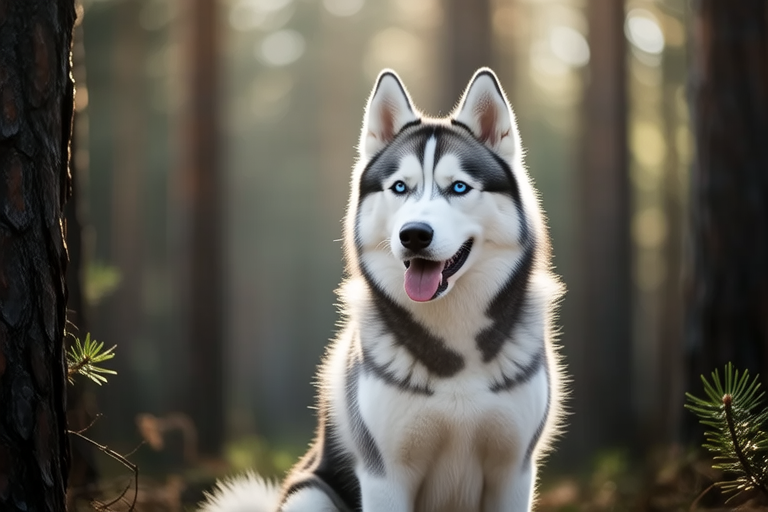
Siberian Huskies are easily recognizable by their thick double coat, which provides insulation against cold weather. Their medium-sized build, with males typically weighing between 45 to 60 pounds and females between 35 to 50 pounds, is perfectly suited for their active lifestyle. One of their most distinctive features is their eyes, which can come in a variety of colors including blue, brown, or a combination of both, known as heterochromia. Their ears, which are triangular and slightly rounded at the tip, stand erect, adding to their alert and intelligent expression. Their bushy tails, often carried over their backs, are another hallmark of the breed.
Energetic and Social Nature
Siberian Huskies are known for their high energy levels and strong desire to be part of a pack. They thrive on companionship and enjoy being around people and other dogs. Due to their working heritage, these dogs require substantial amounts of exercise to stay healthy and happy. Daily walks and playtime are crucial, as are opportunities for mental stimulation through interactive toys and games. Without adequate physical and mental engagement, Huskies may become destructive or exhibit behavioral problems. Owners should be prepared to provide consistent and positive reinforcement training to channel their energy effectively.
Notable Roles in Sled Racing
Siberian Huskies have played significant roles in various sled-racing events, particularly the Iditarod Trail Sled Dog Race. This grueling race covers more than 1,000 miles across Alaska, testing the limits of both man and beast. The Huskies’ speed, endurance, and ability to work harmoniously in teams make them ideal for such competitions. Balto, one of the most famous Siberian Huskies, gained fame during the 1925 diphtheria serum run to Nome, Alaska. His heroic journey, along with his team, saved countless lives and solidified the breed’s reputation as reliable and courageous.
Vocal Tendencies and Unique Eye Colors
Beyond their physical attributes, Siberian Huskies are also known for their vocal tendencies. They are prone to howling, barking, and making other vocalizations, especially when left alone or seeking attention. This trait stems from their wolf ancestry and can sometimes lead to misunderstandings with neighbors if not properly managed. However, their vocal nature also serves as a form of communication, expressing their emotions and needs. Additionally, their unique eye colors add to their mystique, making each individual Husky truly one-of-a-kind.
Health Issues and Lifespan Expectations
Like any breed, Siberian Huskies are prone to certain health issues. Common conditions include hip dysplasia, cataracts, and progressive retinal atrophy. Regular veterinary check-ups and a balanced diet are essential to maintaining their health. With proper care, Siberian Huskies can live up to 12 to 14 years. Early detection and treatment of potential health problems can significantly extend their lifespan and improve their quality of life.
Intelligence and Training Challenges
Siberian Huskies are highly intelligent dogs, capable of learning complex commands and tasks. However, their independent nature can sometimes make training challenging. Consistency and patience are key when working with Huskies. Positive reinforcement techniques, such as rewards and praise, are more effective than punishment-based methods. It’s important for owners to establish themselves as leaders while fostering a bond based on mutual respect and understanding.
Tips for Potential Owners
If you’re considering adopting a Siberian Husky, there are several factors to keep in mind. First and foremost, ensure you have the time and resources to meet their exercise and socialization needs. A fenced yard is essential, as Huskies are known for their tendency to roam. Research local breeders and rescue organizations to find a reputable source for your new companion. Spend time bonding with your Husky from the beginning to establish trust and set clear boundaries. Enroll in obedience classes to enhance your training skills and provide mental stimulation for your dog.
The Joy and Companionship They Bring
In conclusion, Siberian Huskies are not just beautiful creatures but also loyal and loving companions. Their spirited nature and playful demeanor bring immense joy to families who can appreciate their unique qualities. While they may require extra effort in terms of exercise and training, the rewards are immeasurable. With proper care and attention, Siberian Huskies can become cherished members of your household, providing endless love and companionship. Embrace the challenge of owning a Siberian Husky, and you’ll discover a lifetime of unforgettable moments and deep connections.
