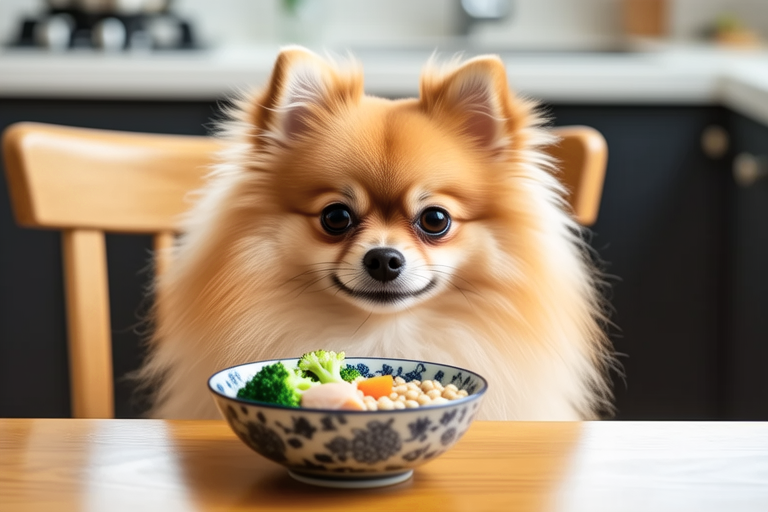
The Pomeranian Diet Guide: What Every Owner Needs to Know
Welcome to your ultimate guide on how to keep your Pomeranian happy and healthy through proper nutrition. This article will cover everything from understanding basic nutritional needs to recognizing signs of malnutrition or overfeeding. We’ll discuss various types of food, portion control, the significance of fresh water, and much more.
Basic Nutritional Needs of Pomeranians
Pomeranians, like all dogs, require a balanced diet that includes proteins, fats, carbohydrates, vitamins, and minerals. These elements are crucial for maintaining energy levels, supporting growth, and promoting overall well-being. Proteins help build and repair tissues; fats provide essential fatty acids and additional energy; carbohydrates offer quick energy sources; while vitamins and minerals play vital roles in various bodily functions.
Recommended Food Types
Dry Food
Dry kibble is popular among dog owners due to its convenience and cost-effectiveness. It also helps maintain dental hygiene by scraping off plaque as the dog chews. Look for high-quality brands containing real meat as the primary ingredient and avoid those with fillers such as corn or soy.
Wet Food
Wet food can be beneficial for hydration, especially if your Pomeranian doesn’t drink enough water. It’s richer in moisture than dry food but tends to be pricier. Opt for varieties with natural ingredients without excessive sodium or artificial preservatives.
Raw Diets
Some owners prefer feeding their pets raw diets based on the belief they mimic what wild canines would eat. However, there are risks involved, including bacterial contamination and nutrient imbalances. If considering this option, consult with a veterinarian to ensure it meets all nutritional requirements safely.
Portion Sizes
Proper portion control ensures your Pom neither undernourishes nor overeats. Generally speaking, adult Pomeranians need about ¼ cup of dry food per day, divided into two meals. Adjust according to individual activity level and body condition score.
Fresh Water
Always have clean drinking water available at all times. Hydration supports kidney function, regulates body temperature, aids digestion, and lubricates joints.
Common Dietary Pitfalls
Avoid table scraps, which may contain harmful substances like onions, garlic, chocolate, caffeine, grapes, raisins, and avocados. Additionally, excessive treats can lead to obesity, so limit them to no more than 10% of daily caloric intake.
Nutrients Important for Health
- Omega-3 Fatty Acids: Promote healthy skin and coat, reduce inflammation, support heart health.
- Calcium: Essential for strong bones and teeth.
Signs of Malnutrition or Overfeeding
Watch out for dull coat, lethargy, excessive shedding, weight loss/gain, joint problems, or behavioral changes. Regular veterinary examinations can help catch issues early.
Transitioning Foods
When changing diets, gradually mix old and new foods over several days to prevent gastrointestinal upset. Start with 25% new food and 75% old food, then increase incrementally until fully transitioned.
Tips for Dealing with Picky Eaters
If your Pom turns its nose up at mealtime, try warming the food slightly, adding low-sodium broth, or offering small pieces of cooked chicken breast mixed in. Rotate between different flavors within the same brand to keep things interesting.
Incorporating Treats Responsibly
Choose healthy alternatives like freeze-dried liver treats, green beans, carrots, or apple slices instead of high-fat options. Always check with your vet before introducing any new snack.
Potential Food Allergies and Safe vs Unsafe Human Foods
Food allergies can cause itching, ear infections, diarrhea, vomiting, or respiratory issues. Common culprits include beef, dairy, wheat, eggs, chicken, lamb, and fish. Consult your vet if suspecting an allergy. Regarding human foods, some are safe in moderation (like blueberries, sweet potatoes) while others pose serious health risks.
Maintaining a Healthy Weight and Regular Vet Check-Ups
Monitor weight regularly and adjust portions accordingly. Schedule annual wellness visits where vets can assess overall health, recommend dietary changes, and screen for underlying conditions affecting appetite or metabolism.
By following these guidelines, you’re setting yourself—and your beloved companion—up for success. Remember, every Pom is unique, so tailor their diet based on age, size, breed characteristics, lifestyle, and personal preferences. Stay informed, stay proactive, and enjoy many happy years together!
