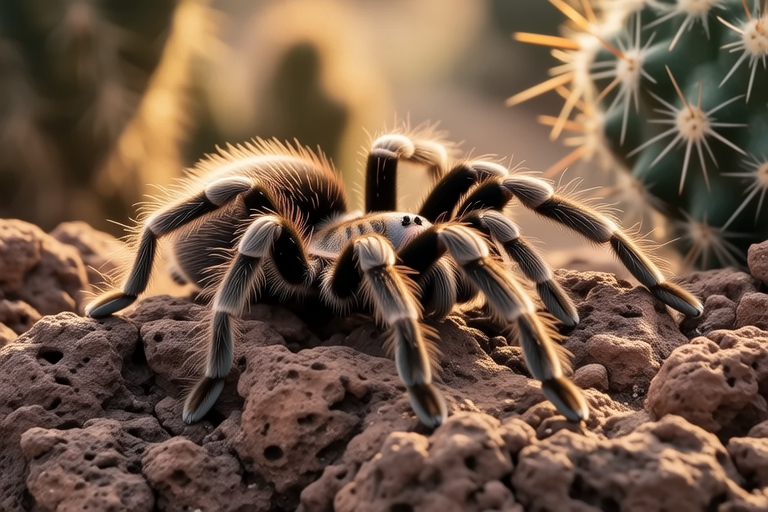
Adventures in Arachnophilia: Why the Chilean Rose Tarantula Stands Out
Welcome to the fascinating world of tarantulas! Among the many species that captivate arachnid enthusiasts, the Chilean Rose Tarantula (Grammostola rosea) stands out as a particularly appealing choice. This article delves into the unique characteristics, care requirements, and appeal of the Chilean Rose Tarantula, offering insights into its temperament, dietary needs, habitat preferences, and debunking common myths about tarantulas.
The Unique Characteristics of the Chilean Rose Tarantula
The Chilean Rose Tarantula is named for its distinctive pinkish hue, which is especially prominent when the spider molts. These spiders are relatively small compared to other tarantulas, with females reaching a leg span of about 4 to 5 inches, while males are slightly smaller. Their compact size makes them manageable for beginners and experienced keepers alike.
One of the most remarkable features of the Chilean Rose Tarantula is its docile nature. Unlike some other tarantula species, they are generally calm and less likely to bite unless provoked. Their gentle demeanor, combined with their striking appearance, has made them a favorite among tarantula enthusiasts.
Care Requirements
Proper care is essential for the well-being of your Chilean Rose Tarantula. Below are some key aspects of their care:
Habitat
A suitable enclosure for a Chilean Rose Tarantula should mimic its natural environment. A terrarium measuring at least 10 gallons is recommended for adults, providing ample space for climbing and burrowing. The substrate can be coconut fiber or soil, ensuring that it retains moisture without becoming soggy. Adding a shallow water dish and a few branches or cork bark pieces will enhance the habitat, offering the spider opportunities to explore and create burrows.
Dietary Needs
Chilean Rose Tarantulas are primarily insectivores. In captivity, they thrive on a diet of crickets, mealworms, and occasionally waxworms. It’s important to gut-load these feeder insects with nutritious food before offering them to your tarantula. Feeding once every week or two is usually sufficient, depending on the age and size of the spider.
Temperament
Despite their intimidating appearance, Chilean Rose Tarantulas are surprisingly docile creatures. They rarely bite unless severely threatened. Their calm demeanor makes them ideal pets for those who wish to handle their tarantulas occasionally. However, it’s crucial to respect their space and handle them gently to avoid stressing the spider.
Why the Chilean Rose Tarantula is Popular
The popularity of the Chilean Rose Tarantula stems from several factors. Their manageable size, docile temperament, and attractive appearance make them appealing to a wide range of hobbyists. Additionally, they are relatively easy to care for, making them an excellent choice for beginners. Experienced arachnologists also appreciate the Chilean Rose Tarantula for its beauty and ease of handling.
Myths vs. Realities
Tarantulas, like many misunderstood creatures, have been the subject of numerous myths. Here, we dispel some common misconceptions:
- Myth: All tarantulas are aggressive and dangerous. Reality: While some tarantulas can be defensive, the Chilean Rose Tarantula is notably calm and unlikely to bite unless provoked.
- Myth: Tarantulas are venomous and deadly. Reality: Although tarantulas possess venom, it is typically mild and poses little threat to humans. Their bites are more akin to a bee sting, causing temporary discomfort but no serious harm.
- Myth: Tarantulas require constant attention. Reality: Unlike dogs or cats, tarantulas are solitary creatures that don’t require frequent interaction. Providing them with a suitable habitat and diet is more than enough to ensure their well-being.
Tips for New Owners
If you’re considering adopting a Chilean Rose Tarantula, here are some valuable tips to help you get started:
- Research thoroughly: Before bringing home your new pet, familiarize yourself with its specific care requirements. Understanding their needs will help you provide the best possible environment.
- Choose the right enclosure: Ensure the enclosure is appropriately sized and equipped with necessary accessories like hiding spots and a water dish.
- Handle with care: Always handle your tarantula gently and only when necessary. Use a soft brush or tongs to minimize stress.
- Monitor health: Keep an eye on your tarantula’s behavior and physical condition. Regularly check for signs of illness, such as lethargy, loss of appetite, or unusual shedding patterns.
Conclusion
The Chilean Rose Tarantula offers an enriching experience for those interested in exotic pets. With their unique appearance, gentle temperament, and relatively simple care requirements, they make an excellent choice for both novice and seasoned arachnid enthusiasts. By understanding their needs and providing a suitable environment, you can enjoy a rewarding relationship with one of nature’s most fascinating creatures.
