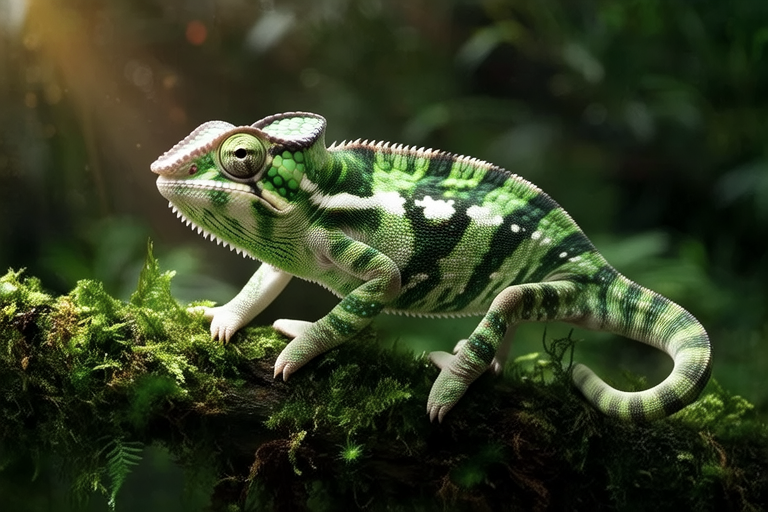
Chameleon Care: Essential Tips Every Owner Should Know
Welcome to the fascinating world of chameleons! These unique reptiles have captivated animal enthusiasts with their ability to change colors and blend into their environment. However, owning a chameleon comes with significant responsibilities. This guide will provide you with essential tips on how to care for your chameleon properly, ensuring it lives a long and healthy life.
Proper Habitat Setup
Creating the right environment for your chameleon is crucial. Chameleons are arboreal, meaning they spend most of their time in trees. Therefore, their enclosure should mimic their natural habitat as closely as possible.
Enclosure Size: The size of the enclosure depends on the species of chameleon. A typical adult veiled chameleon requires a minimum of 4 feet in height and 2 feet in width. Larger enclosures are always better, as they provide more space for climbing and exploration.
Branches and Plants: Fill the enclosure with sturdy branches and live or artificial plants. Branches should be at various heights to encourage climbing. Live plants can help maintain humidity levels and provide a naturalistic environment. Popular choices include ficus, pothos, and hibiscus.
Substrate: Avoid substrates like sand or gravel, which can be ingested accidentally. Instead, opt for a layer of coconut fiber or newspaper, which is easier to clean and less likely to cause impaction.
Temperature and Humidity Requirements
Chameleons are ectothermic, meaning they rely on external sources of heat to regulate their body temperature. Proper temperature management is vital for their overall health.
Thermometer and Hygrometer: Invest in a digital thermometer and hygrometer to monitor the temperature and humidity levels within the enclosure. Maintain a gradient of temperatures, with a basking spot reaching around 90-95°F (32-35°C) and the cooler side of the enclosure at 75-80°F (24-27°C).
Humidity: Most chameleon species require a humidity level between 50% and 70%. Use misting systems or automatic foggers to achieve this. Misting also provides drinking water, as chameleons rarely drink from standing water bowls.
Diet and Nutrition
Chameleons are insectivores, meaning their diet consists mainly of insects. A varied diet is essential to ensure they receive all necessary nutrients.
Insects: Feed your chameleon a variety of insects such as crickets, dubia roaches, silkworms, and hornworms. Gut-load these insects with nutritious foods before offering them to your chameleon to enhance their nutritional value.
Vitamin and Mineral Supplements: Dust insects with calcium and vitamin D3 supplements weekly to prevent metabolic bone disease. Consult a veterinarian for specific dietary recommendations based on your chameleon’s age and species.
Handling Techniques
Chameleons are delicate creatures and should be handled carefully. They are not social animals and do not enjoy being held frequently. Handling should be kept to a minimum and only done when necessary, such as during veterinary check-ups.
Gentle Approach: When handling your chameleon, support its body fully and avoid grabbing it by the tail. Move slowly and gently to reduce stress. Wash your hands before and after handling to prevent the transfer of bacteria.
Common Health Issues
Despite proper care, chameleons can still face health problems. Early detection and treatment are crucial for recovery.
Mouth Rot: Characterized by swelling, redness, and pus around the mouth, mouth rot is often caused by poor hygiene or trauma. Clean the affected area with saline solution and consult a veterinarian for antibiotics if necessary.
Metabolic Bone Disease (MBD): Caused by a lack of calcium or vitamin D3, MBD leads to weakened bones and fractures. Signs include lethargy, swollen limbs, and tremors. Correct the diet and consult a veterinarian for treatment.
Signs of a Healthy Chameleon
A healthy chameleon exhibits certain behaviors and physical traits that indicate well-being.
Coloration: While chameleons change color for various reasons, vibrant coloration generally indicates good health. Darker colors may suggest stress or illness.
Activity Levels: Healthy chameleons are active and alert, spending much of their time climbing and hunting for food. Lethargy or reluctance to move could indicate underlying health issues.
Eating Habits: A healthy chameleon will show interest in food and eat regularly. Sudden changes in appetite should prompt a visit to the veterinarian.
The Responsibilities of Being a Pet Chameleon Owner
Owning a chameleon is a serious commitment that requires dedication and knowledge.
Research: Before bringing a chameleon home, thoroughly research its specific needs. Each species has different requirements regarding enclosure size, temperature, and diet.
Regular Vet Visits: Schedule routine veterinary check-ups to monitor your chameleon’s health. Early detection of potential issues can save lives.
Patience and Time: Chameleons are solitary creatures and do not thrive on frequent handling. Spend time observing your chameleon in its natural environment rather than trying to interact with it directly.
Conclusion
Caring for a chameleon is a rewarding but challenging endeavor. By understanding and meeting their specific needs, you can ensure your chameleon lives a happy and healthy life. Remember, the responsibility of providing proper care falls solely on you as the owner. With patience, dedication, and the right knowledge, you can create a thriving environment for your chameleon to flourish in.
