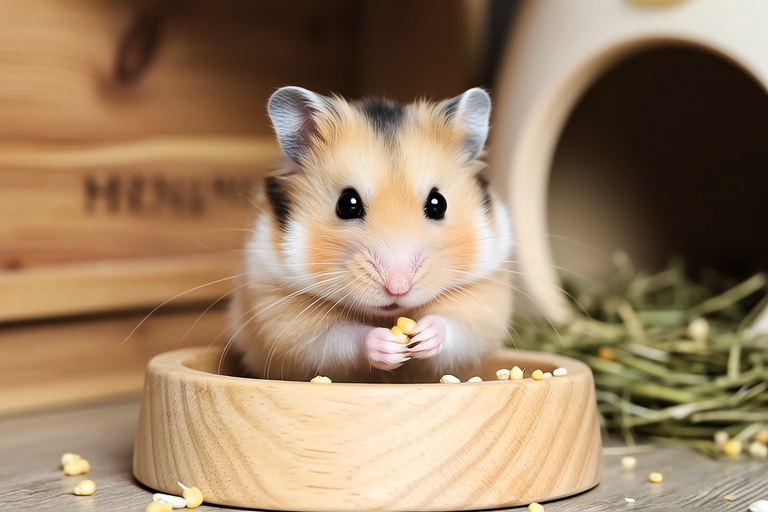
Ultimate Guide to Feeding Your Golden Hamster Right
Introduction
The importance of proper nutrition cannot be overstated when it comes to the well-being of your golden hamster. A balanced diet ensures that your furry friend remains healthy, active, and happy. Just like humans, hamsters need a variety of nutrients to support their growth, immune function, and overall vitality. Providing the right kind of food not only prevents nutritional deficiencies but also helps in avoiding obesity, which is a common issue among hamsters due to overfeeding. This guide will walk you through the essentials of hamster nutrition, offering practical advice on what to feed your golden hamster and how to do so effectively.
Essential Nutrients and Their Roles
Your golden hamster’s diet should include a balance of proteins, fats, carbohydrates, vitamins, and minerals. Proteins are crucial for muscle development and repair, while fats provide energy and help absorb fat-soluble vitamins. Carbohydrates supply quick energy, and vitamins and minerals play vital roles in various bodily functions, including bone health, vision, and immunity. Ensuring these elements are present in your hamster’s diet is key to preventing malnutrition and promoting longevity.
Detailed Diet Plan
A typical diet for a golden hamster includes high-quality commercial hamster pellets, fresh vegetables, and occasional fruits. The pellets should make up the bulk of the diet, providing a balanced mix of nutrients. Look for pellets specifically formulated for hamsters, as they contain the right proportions of protein, fiber, and other necessary ingredients. Fresh water should always be available.
Types and Quantities of Food
Pellets: Choose a good brand of hamster pellets that have been fortified with vitamins and minerals. Feed your hamster about one tablespoon per day. Avoid seed mixes as they can lead to selective eating, where the hamster picks out the seeds it likes best, leaving behind less nutritious options.
Fruits and Vegetables: Introduce small amounts of fresh produce, such as leafy greens (like romaine lettuce), carrots, and apples. These items should be given sparingly, as too much can cause digestive issues. A teaspoon of fruit or half a teaspoon of vegetables daily is sufficient.
Seeds: Occasional treats like sunflower seeds can be offered, but limit them to a few per week to avoid excessive weight gain.
How Often and How Much to Feed
Golden hamsters are nocturnal creatures, so they are most active during the night. Therefore, it’s ideal to feed them just before bedtime to ensure they have enough energy for their evening activities. It’s important not to overfeed, as hamsters have a tendency to store excess food in their cheek pouches and hide it around their cage, leading to waste and potential spoilage. Monitor their food intake to prevent obesity.
Common Feeding Mistakes and Their Impacts
One of the most common mistakes is overfeeding, which can lead to obesity and related health problems like diabetes and heart disease. Another mistake is feeding inappropriate foods, such as dairy products or chocolate, which can be harmful. Always research what is safe for your hamster before introducing new foods.
Tips for Choosing Quality Pet Food and Safe Treats
When selecting pet food, look for products that list whole grains, vegetables, and seeds as primary ingredients. Check for any artificial colors or preservatives, which may not be beneficial for your pet. For treats, opt for natural options like unsweetened dried fruits or small pieces of plain popcorn. Avoid sugary or salty snacks, as these can be detrimental to your hamster’s health.
Adapting the Diet as the Hamster Ages or If Health Issues Arise
As your hamster grows older, its dietary needs might change. Older hamsters may require softer foods that are easier to chew. If your hamster develops health issues, consult a veterinarian for specific dietary recommendations. For instance, if your hamster has dental problems, soft pellets or cooked vegetables might be more appropriate.
Conclusion
Feeding your golden hamster properly is a fundamental aspect of responsible pet ownership. By understanding the nutritional requirements of your hamster and providing a balanced diet, you can significantly enhance its quality of life. Remember to monitor your hamster’s weight, adjust portion sizes as needed, and introduce new foods gradually. With this guide, you’ll be well-equipped to ensure your hamster enjoys a healthy and happy life.
