British Shorthair Silver: The Mysterious Beauty You Need to Know
The British Shorthair is one of the most popular cat breeds around the world. Renowned for its robust physique, plush coat, and gentle demeanor, it has captured the hearts of many. Among the various colors and patterns available within the breed, the silver British Shorthair stands out as a particularly captivating variant. This article delves into the unique features, history, and care requirements of these stunning cats.
A Glimpse into History
The British Shorthair breed has a rich history that dates back centuries. It is believed to have originated from domestic cats brought to Britain by the Romans over 2000 years ago. These cats interbred with native wildcats, giving rise to a sturdy, muscular breed that could handle the harsh climate of the British Isles. Over time, selective breeding refined the breed’s appearance, resulting in the robust, rounded feline we know today.
In the 19th century, British Shorthairs gained popularity in cat shows, particularly after winning at the first official cat show held in London in 1871. However, the breed faced decline during World War II due to the scarcity of food and resources. To revitalize the breed, breeders crossed British Shorthairs with other breeds like the Persian, leading to the development of new color variations, including the silver variant.
Physical Characteristics: A Closer Look at the Silver Coat
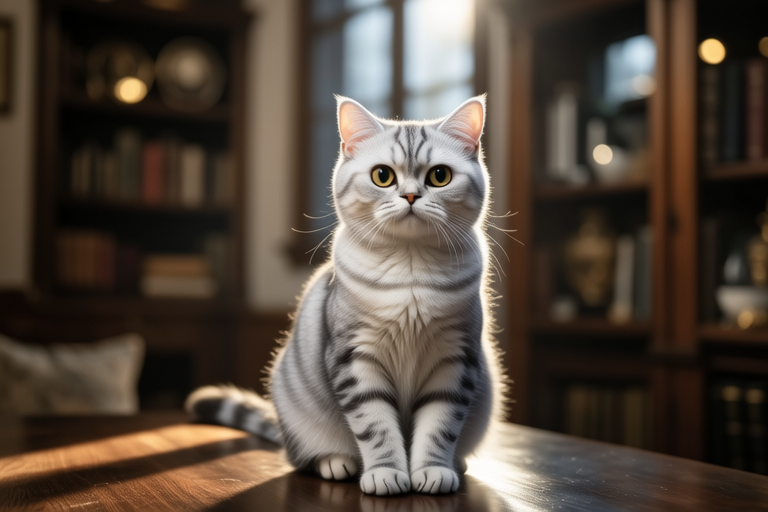
British Shorthair Silvers possess a striking appearance characterized by their dense, plush coats that shimmer under light. Their fur is typically a silvery-white hue, often tipped with black, giving them a distinctive ‘tipped’ or ‘smoke’ effect. This unique coloration is the result of the recessive silver gene, which restricts the production of pigment in the hair shaft, creating a contrast between the base color and the tip.
Their bodies are well-muscled and compact, giving them a solid, powerful presence. They have round heads with full cheeks, wide-set eyes that are usually copper or gold in color, and large, expressive ears. The breed’s tail is medium-length and thick at the base, tapering slightly towards the tip. Overall, British Shorthair Silvers exude an air of calm and elegance, making them a visual delight.
Temperament and Behavior
British Shorthair Silvers are known for their calm and affectionate nature. They are generally patient and tolerant, making them excellent companions for families with children and other pets. These cats enjoy human interaction but are not overly demanding of attention, allowing them to be independent when needed.
One of the most endearing traits of British Shorthair Silvers is their playful yet dignified demeanor. While they may not be as hyperactive as some other breeds, they still appreciate interactive play and mental stimulation. Providing them with toys that challenge their problem-solving skills can help keep them engaged and mentally sharp.
Health Considerations
Like all purebred cats, British Shorthair Silvers are susceptible to certain health issues. Some common concerns include:
- Hypertrophic Cardiomyopathy (HCM): A heart condition that can lead to sudden death if left untreated.
- Polycystic Kidney Disease (PKD): An inherited disorder that causes cysts to develop in the kidneys.
- Obesity: Due to their tendency to overeat, regular exercise and a balanced diet are essential.
Regular veterinary check-ups and genetic testing can help identify and manage these conditions early on. Maintaining a healthy lifestyle through proper nutrition and exercise is key to ensuring your cat lives a long and happy life.
Grooming Needs
The plush coat of a British Shorthair Silver requires regular grooming to maintain its luxurious appearance. Weekly brushing helps remove loose hairs, prevent matting, and distribute natural oils throughout the fur. During shedding seasons, more frequent brushing may be necessary to keep up with the increased amount of hair loss.
Additionally, it’s important to keep their nails trimmed, teeth clean, and ears checked for any signs of infection or debris. Regular grooming not only keeps your cat looking good but also provides an opportunity for bonding and building trust.
Why the Silver Color is Unique
The silver color variation in British Shorthair cats is particularly captivating due to its rarity and unique appearance. The silver gene responsible for this coloration is recessive, meaning both parents must carry the gene for a kitten to inherit it. As a result, silver British Shorthairs are less common compared to other color variations within the breed.
This coloration creates a striking contrast between the base fur and the tips, giving the coat a shimmering effect that catches the eye. The combination of the silver color and the breed’s robust build makes British Shorthair Silvers stand out as elegant and mysterious creatures.
Tips for Potential Owners
If you’re considering adding a British Shorthair Silver to your family, here are some tips to ensure you provide the best possible care:
- Choose a Reputable Breeder: Selecting a reputable breeder ensures you receive a healthy kitten with proper documentation and genetic testing.
- Provide Mental Stimulation: Engage your cat with interactive toys and puzzles to keep them mentally sharp and entertained.
- Monitor Diet and Exercise: Maintain a balanced diet and encourage regular playtime to prevent obesity and promote overall health.
- Schedule Regular Vet Visits: Establish a relationship with a trusted veterinarian who can monitor your cat’s health and address any concerns promptly.
- Groom Regularly: Keep your cat’s coat in top condition through regular brushing and grooming sessions.
With their captivating appearance, gentle temperament, and unique silver coloration, British Shorthair Silvers make wonderful companions for those seeking a loyal and affectionate feline friend. By understanding their specific needs and providing proper care, you can ensure your British Shorthair Silver enjoys a long, healthy, and happy life.
