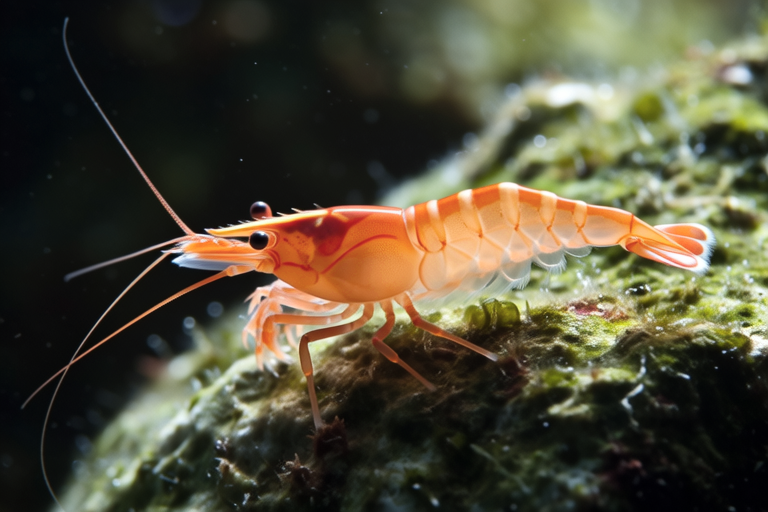
Coral Shrimp Care Guide: Tips for Happy, Healthy Aquatic Companions
Welcome to the Coral Shrimp Care Guide! If you’re an aquarist looking to add these vibrant and fascinating creatures to your aquarium, you’ve come to the right place. Coral shrimp (also known as cleaner shrimp) are popular additions to marine and reef tanks due to their striking appearance and beneficial cleaning behavior. This guide will provide you with all the essential information you need to ensure your coral shrimp thrive in their new home.
Habitat Requirements
Coral shrimp originate from tropical waters, where they live among coral reefs and rocky outcrops. To mimic their natural habitat, it’s important to create a well-planned aquarium that offers plenty of hiding spots and a varied terrain. The ideal setup includes live rock formations, caves, and crevices where the shrimp can retreat when feeling threatened or simply resting.
Live rock also serves another crucial function: it provides a source of food for the shrimp. In their natural environment, coral shrimp feed on microorganisms that grow on rocks and other surfaces within the reef ecosystem. By including live rock in your aquarium, you’re providing your shrimp with a constant supply of sustenance.
Additionally, consider adding some macroalgae or soft corals to your tank. These elements not only enhance the aesthetic appeal of your aquarium but also offer more places for your coral shrimp to explore and hide. Just make sure any plants or corals you introduce are non-toxic and compatible with the shrimp.
Water Parameters
Maintaining optimal water conditions is critical for the health and longevity of your coral shrimp. Here are some key parameters to monitor:
- Temperature: Aim for a stable temperature between 75°F and 80°F (24°C and 27°C). Use a reliable heater and thermometer to keep the water at this range.
- pH: Maintain a pH level between 8.1 and 8.4. Regularly test the water using a pH kit and adjust if necessary.
- Salinity: Keep salinity levels around 1.023 to 1.025 specific gravity. Use a hydrometer to check salinity and ensure it remains consistent.
- Ammonia/Nitrite: Both should be undetectable. Ammonia and nitrite are toxic to shrimp, so a properly cycled tank is essential. Conduct regular tests and perform partial water changes if levels rise above acceptable limits.
- Nitrate: While nitrates are less harmful than ammonia and nitrite, they should still be kept low, ideally below 20 ppm. Perform routine water changes to help control nitrate levels.
Remember, sudden changes in water parameters can stress your shrimp, leading to illness or death. Always acclimate your shrimp gradually when introducing them to your aquarium.
Diet
Coral shrimp are omnivorous scavengers that feed on algae, detritus, and small invertebrates. In the wild, they also consume parasites and dead tissue from larger fish, earning them the nickname ‘cleaner shrimp.’ However, in captivity, their diet needs to be supplemented with appropriate foods to ensure they receive all necessary nutrients.
Provide your shrimp with a varied diet that includes high-quality flake food, frozen foods like mysis shrimp, and algae wafers. You can also offer blanched vegetables such as zucchini or spinach. It’s important to avoid overfeeding; excess food can lead to poor water quality and contribute to the growth of harmful bacteria.
In addition to commercial foods, encourage natural feeding behaviors by allowing your shrimp to graze on algae growing in your tank. This not only provides them with nutrition but also helps keep your aquarium clean.
Tank Mates Compatibility
Choosing suitable tank mates for your coral shrimp is crucial for maintaining a peaceful and healthy aquarium community. Coral shrimp are generally peaceful and can coexist with a variety of species, but there are some considerations to keep in mind:
- Aggressive Fish: Avoid housing coral shrimp with aggressive or predatory fish that may see them as prey. Species like triggerfish, lionfish, and large wrasses can pose a threat to shrimp.
- Small Crustaceans: Shrimp, crabs, and other small crustaceans might compete for food or space, potentially leading to conflicts. If you choose to include them, ensure there’s enough room and resources for everyone.
- Herbivorous Fish: Some herbivorous fish, particularly those that graze on algae, can become territorial or aggressive towards shrimp. Monitor interactions closely if you decide to mix these species.
- Compatible Species: Many small, peaceful fish like clownfish, dartfish, and gobies make excellent tank mates for coral shrimp. They won’t disturb the shrimp and can benefit from the cleaner shrimp’s natural behavior.
Always research potential tank mates thoroughly before adding them to your aquarium. A well-chosen community will promote harmony and reduce stress for all inhabitants.
Common Health Issues
Like any living creature, coral shrimp can experience health problems. Early detection and treatment are key to keeping your shrimp healthy. Below are some common issues and how to address them:
- Fungal Infections: Shrimp may develop fungal infections if their wounds aren’t treated promptly. Signs include white patches on the body or appendages. Treat with antifungal medications and improve water quality.
- Bacterial Infections: Bacterial infections often result from poor water quality or injuries. Symptoms include redness, bloating, or lethargy. Quarantine the affected shrimp and treat with antibiotics.
- Parasites: Parasites can infest shrimp, causing loss of appetite, rapid breathing, or visible parasites on the body. Use parasitic treatments and maintain good hygiene practices.
- Stress: Stress can manifest as erratic swimming, reduced activity, or refusal to eat. Identify and eliminate the cause of stress, such as overcrowding or poor water conditions.
Regular observation and maintenance are vital for preventing and managing health issues. Keep a close eye on your shrimp’s behavior and appearance, and act quickly if you notice any signs of distress.
Maintaining a Thriving Environment
To ensure your coral shrimp thrive, follow these practical tips:
- Regular Water Changes: Perform weekly partial water changes of about 10-15% to remove toxins and replenish essential minerals.
- Proper Filtration: Invest in a high-quality filter that matches your tank size. A good filter will help maintain water clarity and prevent harmful substances from accumulating.
- Lighting: Use appropriate lighting to support the growth of algae and corals in your tank. Most reef tanks require intense lighting for several hours each day.
- Air Circulation: Ensure adequate air circulation within the tank to prevent stagnant water and promote gas exchange.
- Observation: Spend time observing your shrimp daily. Familiarize yourself with their normal behaviors so you can quickly spot any changes that might indicate a problem.
By following these guidelines, you’ll create an environment where your coral shrimp can flourish and bring joy to your aquarium.
Addressing Behavioral Concerns
Understanding and addressing behavioral concerns is essential for maintaining a harmonious aquarium. Here are some common issues and solutions:
- Lethargy: If your shrimp appear sluggish, check water parameters and ensure there’s enough food available. Consider reducing the number of tank mates if overcrowding is suspected.
- Aggression: Aggressive behavior can arise from competition for food or territory. Provide ample hiding spots and ensure there’s enough food for all inhabitants.
- Shyness: Some shrimp may be timid and prefer to stay hidden. Create more hiding spots and gradually introduce them to the tank to help them feel secure.
- Poor Appetite: A lack of interest in food could indicate stress or illness. Check water quality and consider offering different types of food to stimulate appetite.
By addressing these concerns promptly and thoughtfully, you can foster a healthy and balanced aquatic community.
Conclusion
Caring for coral shrimp is a rewarding endeavor that requires attention to detail and commitment. By understanding their habitat requirements, dietary needs, and compatibility with other species, you can create a thriving environment for these beautiful creatures. Remember to monitor water parameters closely, provide a varied diet, and choose compatible tank mates. With proper care and attention, your coral shrimp will bring joy and vitality to your aquarium for years to come.
