Siberian Huskies: The Ultimate Guide for New and Future Owners
Welcome to the world of Siberian Huskies! These beautiful, energetic dogs have captured the hearts of many dog lovers with their striking appearance and friendly nature. Whether you’re a seasoned dog owner or just thinking about adopting your first pet, this guide will provide you with all the information you need to make an informed decision and ensure a happy life for both you and your Siberian Husky.
History of Siberian Huskies
The Siberian Husky originates from the Chukchi people of Northeastern Asia. They were bred as sled dogs, capable of pulling heavy loads over long distances in harsh, cold climates. Their endurance, strength, and ability to work efficiently in severe conditions made them invaluable companions for the Chukchi. In 1908, they were brought to Alaska to participate in sled-dog races. Their performance caught the attention of many, leading to their growing popularity across North America.
Physical Characteristics
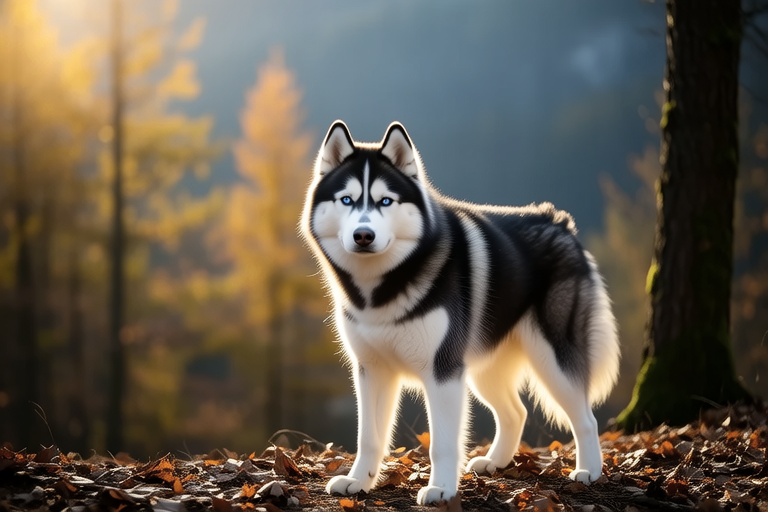
Siberian Huskies are medium-sized dogs with a distinctive appearance. They typically stand between 20 to 24 inches tall at the shoulder and weigh between 35 to 60 pounds. Their most recognizable feature is their striking blue or multi-colored eyes, which can be captivating. Their double coat, consisting of a dense undercoat and a longer outer coat, protects them from extreme weather conditions. This coat can come in various colors, including black and white, gray and white, red and white, and copper and white.
Temperament
Siberian Huskies are known for their friendly and outgoing personalities. They are generally good with children and other pets when properly socialized. However, due to their strong prey drive, it’s important to supervise them around smaller animals. They are also highly intelligent and independent, which can sometimes lead to stubbornness. This intelligence makes them excellent problem solvers but also means they require consistent and patient training.
Exercise Needs
Siberian Huskies are extremely active dogs that thrive on physical activity. They have a lot of energy and require regular exercise to stay healthy and happy. Daily walks, runs, and play sessions are essential for keeping them fit and preventing behavioral issues caused by boredom or excess energy. Consider activities like hiking, biking, or even agility training to keep your Husky engaged and stimulated.
Dietary Requirements
A balanced diet is crucial for maintaining the health and vitality of your Siberian Husky. High-quality dog food that meets the nutritional needs of your dog is recommended. Consult with your veterinarian to determine the appropriate amount and type of food based on your Husky’s age, weight, and activity level. Fresh water should always be available, especially during hot weather or after physical activities.
Grooming Tips
Siberian Huskies have a thick double coat that requires regular grooming to prevent matting and shedding. Brushing your Husky at least twice a week is ideal, especially during the shedding season. A thorough brushing helps remove loose hair and distribute natural oils throughout the coat. Additionally, bathing your Husky every few months is sufficient, unless they get particularly dirty. Pay special attention to their ears, nails, and teeth to maintain overall hygiene.
Health Concerns
Like all breeds, Siberian Huskies are prone to certain health issues. Common conditions include hip dysplasia, progressive retinal atrophy, and cataracts. Regular veterinary check-ups are essential for early detection and management of these conditions. Genetic testing can also help identify potential health risks before breeding or adoption. Providing a nutritious diet, regular exercise, and proper grooming can contribute to your Husky’s overall well-being.
Training Methods
Training a Siberian Husky requires patience, consistency, and positive reinforcement. Due to their independent nature, traditional training methods may not be effective. Instead, focus on building a strong bond with your dog through trust and respect. Use treats and praise to reward desired behaviors, and avoid harsh punishments. Basic obedience training is important for establishing boundaries and ensuring safety in various environments. Advanced training, such as agility or obedience competitions, can also be beneficial for keeping your Husky mentally stimulated.
Living Situations Suitable for Siberian Huskies
Siberian Huskies are adaptable dogs that can thrive in different living situations, provided they receive adequate exercise and stimulation. If you live in an apartment, ensure there are plenty of opportunities for outdoor activities. A fenced yard is ideal, but it must be secure enough to prevent escape attempts. Huskies are escape artists, so it’s important to invest in a sturdy fence or other containment measures. Consider factors such as climate, space, and lifestyle when deciding if a Siberian Husky is the right fit for your home.
Conclusion
Owning a Siberian Husky is a rewarding experience, but it comes with responsibilities. By understanding their history, physical characteristics, temperament, exercise needs, dietary requirements, grooming tips, health concerns, training methods, and suitable living situations, you can provide your Husky with a loving and fulfilling life. Remember, a well-cared-for Siberian Husky will bring joy and companionship to your family for many years to come.
