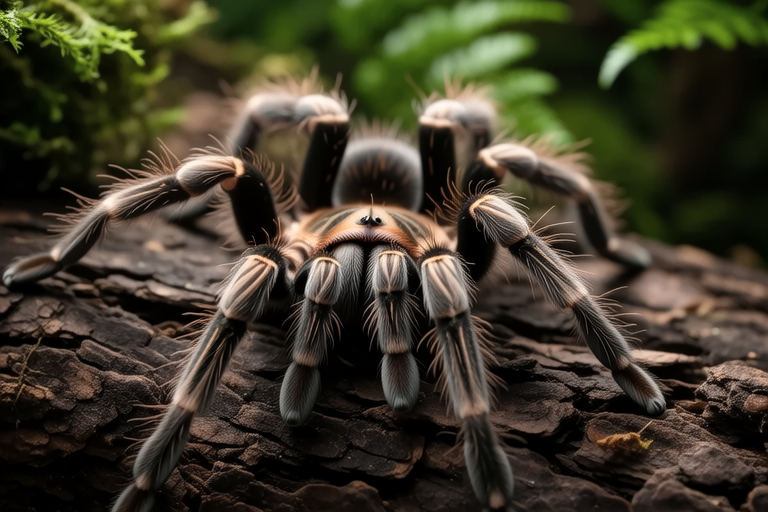
Creepy-Crawly Cousins: Exploring the Fascinating World of Tarantulas
Tarantulas, members of the family Theraphosidae, are some of the most intriguing and misunderstood creatures in the animal kingdom. These large, hairy spiders can be found in various parts of the world, from the deserts of North America to the lush rainforests of South America. With over 900 identified species, each with its own unique characteristics, tarantulas offer a fascinating glimpse into the diversity of arachnids.
Diverse Species and Habitats
From the diminutive Pinktoe Tarantula (Avicularia avicularia) to the colossal Goliath Birdeater (Theraphosa blondi), tarantulas inhabit a wide range of environments. Some prefer the dry climates of deserts, where they burrow deep into the ground to escape the heat, while others thrive in humid forests, weaving intricate webs between branches and leaves. Their adaptability is one of the key factors that have allowed them to colonize so many different regions.
Physical Characteristics
Tarantulas vary greatly in size, color, and appearance. The smallest species, such as the Brazilian Salmon Pink (Lasiodora parahybana), can grow up to 4 inches in leg span, whereas the largest, the Goliath Birdeater, can reach an impressive 11 inches. Their bodies are covered in fine hairs, which serve multiple purposes. These hairs help them detect vibrations in the air and ground, aiding in both hunting and communication. Additionally, some tarantulas can release hairs from their abdomen as a defensive mechanism, causing irritation to potential predators.
Their colors range from dark browns and blacks to vibrant reds and blues. Some species even exhibit striking patterns, making them visually appealing to both enthusiasts and casual observers. Despite their intimidating appearance, tarantulas are generally docile creatures, preferring to avoid confrontation rather than instigate it.
Behavior and Diet
Tarantulas are primarily nocturnal hunters, relying on their keen senses to locate prey. They use their long legs to feel their way through their environment, often lying in wait at the entrance of their burrows or hidden within their webs. Once they sense movement, they pounce on their unsuspecting victims, injecting venom through their fangs to immobilize them. Their diet consists mainly of insects, but larger species have been known to tackle small vertebrates, including mice, lizards, and even birds.
When threatened, tarantulas employ several defense strategies. Besides releasing irritating hairs, they may also adopt aggressive postures, rearing up on their hind legs and displaying their formidable fangs. While this behavior can be alarming, it is more of a bluff than an actual attack. Tarantulas prefer to flee or play dead rather than fight, as injuring themselves could leave them vulnerable to predators.
Myths and Misconceptions
One of the most common misconceptions about tarantulas is their level of danger to humans. While their bite can be painful, it is rarely life-threatening. In fact, many tarantula species have venom that is weaker than that of a bee sting. Another myth is that tarantulas eat their own legs when they fall off. This is not true; instead, they simply molt and regenerate new limbs during their shedding process.
Despite these myths, tarantulas have earned a reputation for being fearsome creatures. Movies and media often portray them as deadly, which has contributed to their negative image. However, understanding their behavior and biology can help dispel these misconceptions and foster a greater appreciation for these misunderstood arachnids.
Role in Ecosystems and Conservation Efforts
Tarantulas play a crucial role in maintaining the balance of their ecosystems. As top predators, they control insect populations, preventing overpopulation and subsequent damage to plants and crops. Additionally, they provide a food source for other animals, contributing to the overall health of their habitats.
However, many tarantula species face threats due to habitat destruction, pollution, and the pet trade. Conservation efforts are underway to protect these spiders and their environments. Organizations work to raise awareness about the importance of tarantulas and promote sustainable practices in the pet industry. By supporting these initiatives, we can help ensure the survival of these remarkable creatures for future generations.
Interesting Facts and Safe Observations
Did you know that tarantulas can live for up to 30 years? Or that some species can survive without food for months? These fascinating facts highlight the resilience and adaptability of these spiders. If you’re interested in observing or handling tarantulas, there are a few important safety tips to keep in mind:
- Research: Learn about the specific species you plan to observe or handle. Different species have varying temperaments and care requirements.
- Respect: Always approach tarantulas with caution and respect. Avoid sudden movements or loud noises that might startle them.
- Handling: If you choose to handle a tarantula, do so gently and only after receiving proper training. Never attempt to pick up a wild tarantula without the guidance of an expert.
- Environment: Provide a suitable habitat for your tarantula, ensuring it has enough space, appropriate substrate, and access to food and water.
In conclusion, tarantulas are fascinating creatures with a rich history and complex biology. By learning about their diverse species, behaviors, and roles in their ecosystems, we can develop a deeper appreciation for these misunderstood arachnids. Whether you’re a seasoned enthusiast or a curious beginner, exploring the world of tarantulas promises to be an enlightening and rewarding experience.
