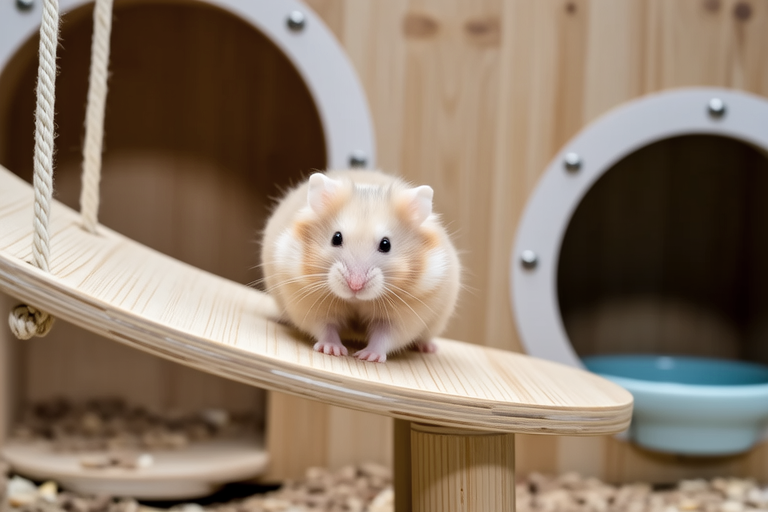
How to Set Up the Ultimate Hamster Playground at Home
Welcome to your guide on creating the perfect living space for your little furry friend, the hamster! Setting up the ultimate hamster playground at home requires careful planning and consideration of various factors that contribute to your hamster’s happiness and health. This comprehensive guide will walk you through each step, from selecting the right cage size and type to ensuring proper hygiene and maintenance. Let’s dive into it!
Selecting the Right Cage Size and Type
The first step in setting up your hamster’s playground is choosing the right cage. The cage should be spacious enough for your hamster to move around comfortably and explore without feeling cramped. A general rule of thumb is to provide at least 2 square feet of floor space per hamster. However, larger cages always offer more room for play and exploration.
When selecting a cage, consider the type of material used. Glass aquariums are popular but can limit airflow, which may lead to respiratory issues if not properly ventilated. Wire cages with solid floors are a better option as they allow for better ventilation and prevent injury from sharp edges or gaps.
Ensure the cage has multiple levels or platforms, as hamsters love climbing and exploring different heights. Providing ramps or ladders between levels can enhance their environment and stimulate their natural climbing instincts.
Choosing Safe and Stimulating Toys
Toys are essential for keeping your hamster mentally and physically engaged. Look for toys that encourage natural behaviors like digging, chewing, and climbing. Safe chew toys made from untreated wood or cardboard can help keep your hamster’s teeth trim and prevent overgrowth.
Interactive toys such as tunnels, bridges, and hanging toys can also add excitement to your hamster’s playground. These items promote exploration and problem-solving, which are vital for their mental well-being. Rotate toys periodically to maintain interest and prevent boredom.
It’s important to choose toys specifically designed for hamsters to avoid potential hazards. Avoid small parts that could be swallowed or sharp edges that might cause injury. Always supervise your hamster during playtime to ensure safety.
Providing Appropriate Bedding and Exercise Wheels
Comfortable bedding is crucial for your hamster’s health and happiness. Choose bedding materials that are soft, absorbent, and dust-free. Popular choices include paper-based bedding, recycled paper products, and aspen shavings. Avoid cedar and pine shavings, as they can release harmful oils that irritate your hamster’s respiratory system.
Bedding should be changed regularly to maintain cleanliness and prevent odors. Aim for a complete bedding change once a week, along with spot cleaning as needed. Provide a deep layer of bedding, about 2 inches thick, to allow your hamster to burrow and nest.
An exercise wheel is a must-have for any hamster playground. It provides essential physical activity and helps prevent obesity. Look for a solid-surface wheel to prevent paws from getting caught or injured. The wheel should be large enough for your hamster to run comfortably without hunching or bending their back. Place the wheel on a stable surface away from drafts to ensure smooth operation.
Setting Up Hiding Spots and Tunnels
Hamsters are naturally curious and enjoy exploring new areas. Incorporating hiding spots and tunnels into their playground can provide them with a sense of security and stimulation. Cardboard tubes, ceramic pots, or specially designed hamster houses can serve as cozy hideouts.
Tunnels made from PVC pipes or commercially available hamster tunnel systems can extend the fun by allowing your hamster to crawl through and discover new spaces. Arrange these elements strategically to create an exciting maze-like environment. Make sure all tunnels are securely attached to prevent collapse or dislodging.
Provide multiple hiding spots and tunnels to accommodate your hamster’s preference for variety. Some hamsters may prefer quiet, enclosed spaces, while others enjoy open tunnels for exploration. Observe your hamster’s behavior to determine their preferences and adjust accordingly.
Ensuring Proper Food and Water Dispensers
Nutritious food and fresh water are vital for your hamster’s overall health. Opt for high-quality commercial hamster food formulated to meet their nutritional needs. Supplement their diet with fresh vegetables, fruits, and occasional treats in moderation. Avoid feeding foods that are toxic to hamsters, such as chocolate, caffeine, or citrus fruits.
Water dispensers are essential for easy access to clean drinking water. Bottles with sipper tubes are preferred over open dishes to prevent contamination and spillage. Clean and refill the water bottle daily to ensure freshness. Check the sipper tube regularly for clogs or wear and tear, as these can hinder your hamster’s ability to drink.
Position food and water dispensers in easily accessible locations within the cage. Avoid placing them near the litter area to prevent contamination. Consider using food dispensers with adjustable portions to control feeding amounts and prevent overeating.
Maintaining Hygiene
Hygiene plays a significant role in keeping your hamster healthy and happy. Regular cleaning is necessary to remove waste, odors, and bacteria from the cage. Start by removing soiled bedding and replacing it with fresh material. Use a mild, pet-safe disinfectant to clean the cage thoroughly, paying special attention to corners and crevices where debris may accumulate.
Rinse the cage and all accessories with warm water after disinfecting to remove any residue. Allow everything to dry completely before returning it to the cage. Replace non-disposable items such as bedding, food, and water containers regularly. Encourage good hygiene practices by washing your hands before and after handling your hamster to prevent the spread of germs.
Regularly check your hamster for signs of illness or injury, such as lethargy, loss of appetite, discharge from eyes or nose, or unusual behavior. Early detection and treatment can prevent minor issues from becoming serious health concerns.
Offering Tips for Regular Cleaning and Maintenance
Cleaning and maintaining your hamster’s playground should be an ongoing effort to ensure their comfort and well-being. Develop a routine that works for you and your schedule. Aim to perform a thorough cleaning every one to two weeks, depending on the size of the cage and the number of hamsters.
During weekly spot cleaning, remove soiled bedding, replace food and water, and wipe down surfaces. This routine helps maintain cleanliness between major cleanings. Involve family members or roommates in the cleaning process to share responsibilities and make it more manageable.
Invest in quality cleaning supplies specifically designed for pet care. Avoid harsh chemicals or scented cleaners that may irritate your hamster’s sensitive respiratory system. Store cleaning supplies in a safe location out of reach of children and pets.
Monitor the condition of cage accessories and replace worn or damaged items promptly. Regular maintenance ensures that your hamster’s playground remains safe and enjoyable. By following these tips, you’ll create a thriving environment that promotes your hamster’s health and happiness.
In conclusion, setting up the ultimate hamster playground at home involves thoughtful consideration of cage size and type, selection of safe and stimulating toys, provision of appropriate bedding and exercise wheels, creation of hiding spots and tunnels, ensuring proper food and water dispensers, maintaining hygiene, and offering tips for regular cleaning and maintenance. With these steps, you’ll provide your hamster with a comfortable, engaging, and healthy living space. Enjoy watching your little friend thrive in their new playground!
