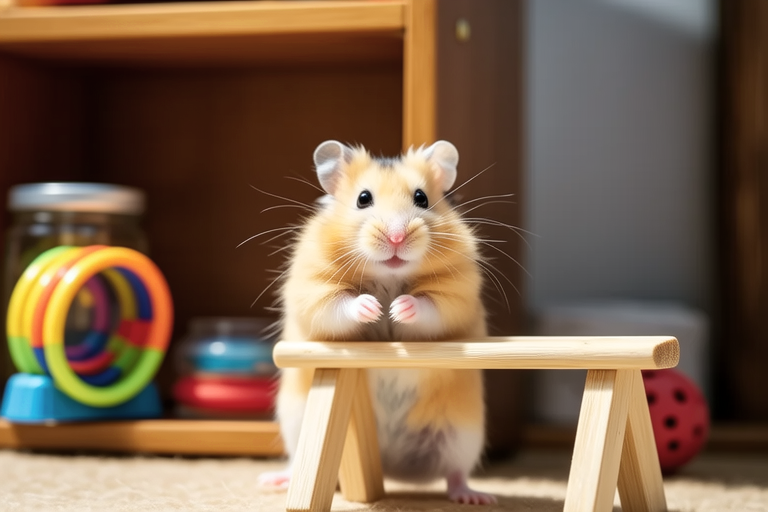
Hamster Training Tricks: Teaching Your Pet Fun Behaviors at Home
Welcome to the wonderful world of hamster training! Whether you’re a seasoned pet owner or just starting out, this guide will help you understand your hamster’s behavior and teach them some fun tricks right in the comfort of your home. We’ll cover everything from creating a safe training environment to teaching basic commands and more complex tricks. Let’s dive in!
Understanding Hamster Behavior
Before we start training, it’s essential to understand your hamster’s natural behaviors. Hamsters are nocturnal animals, meaning they are most active during the night. They are also territorial and can be quite sensitive to sudden movements and loud noises. Understanding these aspects will help you create a calm and secure environment for your hamster.
Hamsters have excellent senses of smell and hearing but relatively poor eyesight. They rely heavily on their whiskers to navigate their surroundings. This sensory reliance is important to keep in mind when designing their living space and training areas.
Setting Up a Safe Training Environment
To ensure your hamster feels comfortable and safe during training, choose a quiet room away from any disturbances. Use a large, flat surface as your training area, such as a table covered with a soft towel or a dedicated playpen. Make sure there are no gaps or holes where your hamster could escape or get injured. Keep the area free of any toxic plants or dangerous objects.
Provide a variety of toys and tunnels to stimulate your hamster’s curiosity and encourage exploration. This will make the training process more enjoyable for both you and your pet. Additionally, always supervise your hamster during training sessions to prevent accidents.
Basic Commands: Starting Simple
The first step in training your hamster is teaching them simple commands that build trust and confidence. Start by getting your hamster accustomed to your presence and touch. Gently hold them in your hand, allowing them to become familiar with your scent and touch.
- Step 1: Sit quietly near your hamster’s cage and let them approach you. Avoid reaching into the cage initially; instead, let your hamster come to you.
- Step 2: Once your hamster is comfortable, gently scoop them up with both hands. Support their body and avoid squeezing too tightly.
- Step 3: After a few days of handling, introduce simple commands like “come” or “sit.” Use a gentle voice and pair the command with a treat to reinforce positive behavior.
Consistency is key here. Repeat these steps daily until your hamster responds reliably to your commands.
Teaching Your Hamster to Retrieve Small Objects
Once your hamster is comfortable with basic commands, you can move on to more advanced tricks like retrieving small objects. This activity is not only fun but also helps improve your hamster’s problem-solving skills.
- Step 1: Choose a small, lightweight object that your hamster can easily carry, such as a tiny ball or a piece of paper.
- Step 2: Place the object near your hamster and say “fetch” or “bring.” Encourage them to interact with the object by tapping it lightly or moving it slightly.
- Step 3: When your hamster picks up the object, praise them enthusiastically and offer a treat as a reward. Repeat this process several times to reinforce the behavior.
- Step 4: Gradually increase the distance between you and the object, encouraging your hamster to bring it back to you. Be patient and consistent, and remember to reward every successful attempt.
This trick can take time, so don’t be discouraged if progress is slow. Each hamster learns at their own pace.
Navigating Obstacle Courses
Creating an obstacle course for your hamster can be an exciting way to challenge them mentally and physically. You can use items like tunnels, bridges, and ramps to design a course that encourages exploration and problem-solving.
- Step 1: Set up your obstacle course in a clear, open space within your training area. Ensure all elements are stable and safe for your hamster to navigate.
- Step 2: Guide your hamster through the course, offering treats at each obstacle to motivate them. Start with simpler obstacles and gradually increase the complexity as your hamster becomes more confident.
- Step 3: Encourage your hamster to explore the course independently. Allow them to find their way through the obstacles at their own pace. Praise and reward them for successfully completing each section.
Obstacle courses can be adapted to suit your hamster’s abilities and preferences. Feel free to experiment with different layouts and challenges to keep things interesting.
Maintaining Training Sessions
To ensure your hamster remains engaged and motivated during training, it’s important to establish a consistent routine. Here are some tips for maintaining effective training sessions:
- Frequency: Aim for short, daily training sessions lasting about 10-15 minutes. This keeps your hamster interested without overwhelming them.
- Duration: Keep each session brief to maintain your hamster’s attention and enthusiasm. Longer sessions can lead to fatigue and decreased motivation.
- Reward System: Use small, healthy treats like sunflower seeds or pieces of fruit to reward your hamster for good behavior. Positive reinforcement is key to successful training.
Remember, consistency is crucial. Stick to a regular schedule and always end each session on a positive note to reinforce good behavior.
Safety Reminders
While training your hamster can be incredibly rewarding, it’s important to prioritize their safety throughout the process. Always supervise your hamster during training sessions to prevent accidents. Avoid using harsh tones or punishments, as this can cause stress and fear.
Ensure your training area is free from any hazards, and never leave your hamster unattended during training. Regular check-ins will help you stay aware of your hamster’s well-being and ensure a positive training experience.
Encouragement for Continued Positive Reinforcement
Training your hamster is a journey filled with learning and bonding opportunities. Remember to celebrate even the smallest successes along the way. Every step forward, no matter how small, is a testament to your patience and dedication.
Keep training sessions fun and engaging for both you and your hamster. With time and effort, you’ll see remarkable improvements in your hamster’s behavior and confidence. Most importantly, enjoy the process and cherish the special bond you’re building with your furry friend.
