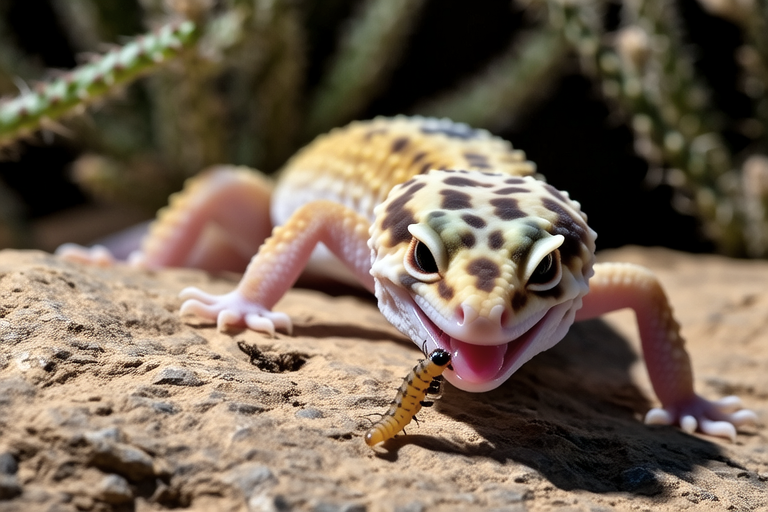
Leopard Gecko Diet Secrets: What They Love and Why
Introduction:
Proper nutrition is paramount for the overall well-being of any animal, and this principle holds especially true for leopard geckos. These small, nocturnal lizards have specific dietary needs that must be met to ensure they thrive. A well-balanced diet not only supports their growth but also boosts their immune system, aids in digestion, and contributes to their lifespan. Neglecting these dietary requirements can lead to various health issues, from metabolic bone disease to obesity. Understanding what leopard geckos love to eat and why these foods are beneficial is essential for every owner, whether you’re a first-time keeper or a seasoned enthusiast.
The Importance of a Proper Diet:
A leopard gecko’s diet directly impacts its energy levels, growth rate, and overall health. These reptiles require a mix of nutrients to maintain their body functions. The primary components of their diet include proteins, fats, and vitamins, which are derived mainly from insects. It is crucial to provide them with a variety of insect types to meet their nutritional needs. Insects not only offer essential proteins but also play a vital role in maintaining their calcium levels, which is critical for their skeletal health.
Variety in Their Diet:
Leopard geckos are insectivores, meaning their diet consists primarily of insects. Some of their favorite insects include crickets, mealworms, dubia roaches, and waxworms. Each type of insect offers unique benefits:
- Crickets: Crickets are a staple in most leopard gecko diets. They are rich in protein and provide essential nutrients like calcium and phosphorus. However, it’s important to gut-load crickets before feeding them to your gecko. This process involves feeding the crickets nutritious foods to increase their nutritional value.
- Mealworms: Mealworms are another popular choice. They are high in fat, making them an excellent source of energy for active geckos. Despite their nutritional value, they should be fed sparingly due to their high-fat content.
- Dubia Roaches: Dubia roaches are becoming increasingly popular among reptile enthusiasts. They are highly nutritious and low in fat, making them a great option for regular feedings. They also contain more calcium than other insects, which helps prevent metabolic bone disease.
- Waxworms: Waxworms are a treat for leopard geckos due to their high-fat and calorie content. While they are not a daily food item, they can be offered occasionally as a special treat.
Nutritional Requirements:
To maintain optimal health, leopard geckos need a balanced diet that includes adequate amounts of protein, calcium, and vitamins. Protein is necessary for muscle development and repair, while calcium is crucial for strong bones and healthy egg production in females. Vitamins, particularly vitamin D3, help with calcium absorption and metabolism. A deficiency in any of these nutrients can lead to serious health problems, such as metabolic bone disease or reproductive issues.
Feeding Practices:
Proper feeding practices are just as important as choosing the right foods. Here are some tips to ensure your leopard gecko gets the best nutrition:
- Portion Sizes: Feed adult leopard geckos between 3-6 insects per feeding session, depending on their size and activity level. Juveniles may require more frequent smaller meals. Overfeeding can lead to obesity, so it’s essential to monitor your gecko’s weight and adjust portions accordingly.
- Frequency: Feed adults every other day, while juveniles may need to be fed daily. It’s important to establish a consistent feeding schedule to help regulate your gecko’s metabolism and digestive processes.
- Gut Loading: As mentioned earlier, gut-loading is the process of feeding nutritious foods to insects before offering them to your gecko. This ensures that the insects are packed with essential nutrients when consumed by your pet.
- Dusting: Dusting insects with calcium and vitamin supplements is another way to ensure your gecko gets all the nutrients it needs. Use a calcium supplement without added vitamin D3 for everyday feedings and a multivitamin once or twice a week. Be cautious not to over-supplement, as excessive amounts of certain vitamins can be harmful.
Monitoring Eating Habits:
Regularly observing your leopard gecko’s eating habits can provide valuable insights into its overall health. Healthy geckos will generally show interest in their food and consume it eagerly. If your gecko suddenly loses its appetite or shows signs of difficulty swallowing, it could indicate an underlying health issue. Other signs to watch for include lethargy, weight loss, or changes in stool consistency. In such cases, it’s advisable to consult a veterinarian who specializes in reptiles.
Conclusion:
Providing a well-balanced and varied diet is key to keeping your leopard gecko happy and healthy. By understanding their nutritional needs and incorporating a range of insect types into their diet, you can ensure that your gecko receives all the necessary nutrients for optimal health and longevity. Remember to pay attention to portion sizes, feeding frequency, and supplementation practices. Regularly monitoring your gecko’s eating habits will help you catch any potential health issues early, allowing for timely intervention if needed. With the right care and attention to their diet, your leopard gecko can live a long and fulfilling life.
