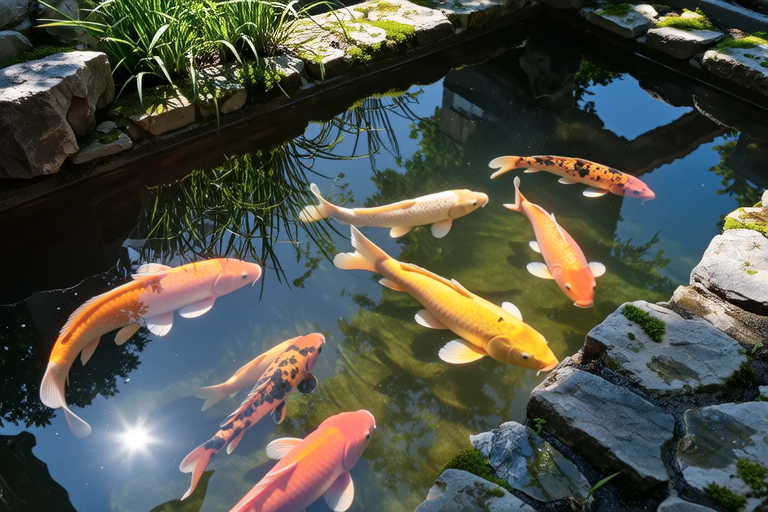
Building an Ideal Koi Pond at Home
Creating a koi pond is a rewarding endeavor that combines aesthetics with the serene beauty of nature. It offers a tranquil space for relaxation and provides a healthy habitat for your koi fish. This comprehensive guide will walk you through every step, from selecting the perfect location to maintaining optimal water quality.
Selecting the Perfect Location
The first step in building your koi pond is choosing the right location. Consider factors such as sunlight exposure, proximity to electrical outlets, and drainage. Avoid areas prone to flooding or where rainwater runoff may contaminate the pond. Ensure that the site receives partial shade, ideally between four and six hours of direct sunlight per day. Too much sun can lead to excessive algae growth, while too little can cause oxygen depletion. Additionally, place the pond away from trees to minimize leaf litter and debris falling into it.
Choosing the Right Size and Shape
Decide on the size and shape of your koi pond based on available space and budget. A general rule of thumb is to allocate about one square foot of surface area per inch of fully grown koi. For example, if you plan to have five 18-inch koi, your pond should be approximately 90 square feet. As for the shape, opt for something irregular rather than perfectly round or square to create more hiding spots and reduce the likelihood of stagnant water.
Filtration System Setup
A well-designed filtration system is crucial for maintaining clean and healthy water conditions. There are three main types of filters: mechanical, biological, and chemical. Mechanical filters trap large particles like leaves and uneaten food, while biological filters house beneficial bacteria that break down harmful ammonia and nitrites produced by fish waste. Chemical filters remove dissolved organic compounds through activated carbon or other media. Choose a pump powerful enough to circulate all the water in the pond once every two hours. Install skimmers near the top of the pond to collect floating debris before it sinks to the bottom.
Water Quality Maintenance
Maintaining good water quality ensures the health and longevity of both your koi and their environment. Regularly test the pH level (between 6.8 and 7.4), ammonia levels (should be undetectable), and nitrite levels (also should be undetectable). Perform partial water changes periodically, typically 10-20% every week or two, depending on how many fish you have and how much waste they produce. Use a gravel vacuum during these changes to clean the substrate without disturbing beneficial bacteria living there.
Planting Suitable Aquatic Plants
Incorporating aquatic plants into your koi pond adds color and texture while providing natural filtration and oxygenation. Hardy water lilies thrive in shallow areas, offering shade and protection for fish. Pickerel rush produces vibrant red flowers and helps control algae growth by absorbing excess nutrients. Anacharis, also known as oxygen weed, floats freely throughout the water column, releasing oxygen through photosynthesis. Ensure that the plants you choose are appropriate for your local climate zone and do not overcrowd the pond, which could reduce oxygen levels.
Integrating Beneficial Features
Enhance the visual appeal and functionality of your koi pond by adding features such as waterfalls or fountains. These not only add movement and sound but also increase aeration, promoting healthier water conditions. When designing your waterfall, consider its height relative to the overall scale of the pond; taller falls may require more powerful pumps. Position the intake point below the surface to prevent sucking up floating debris.
Proper Koi Fish Care
Caring for koi involves feeding them properly, monitoring their behavior, and ensuring they receive adequate medical attention when necessary. Feed your koi twice daily, giving them just enough food so they finish within five minutes. Overfeeding leads to poor water quality and obesity. Observe your fish regularly for signs of illness, including lethargy, loss of appetite, unusual swimming patterns, or visible lesions. Consult with a veterinarian specializing in exotic animals if you suspect any issues.
Considerations for Different Climates
Climate plays a significant role in determining the best practices for maintaining your koi pond. In colder regions, insulating the pond with foam board or other materials prevents freezing and cracking. Adding a de-icer keeps a small section of the surface ice-free, allowing toxic gases to escape and fresh air to enter. Conversely, in warmer climates, shading devices like floating islands or mesh covers help keep temperatures down and reduce evaporation rates.
Initial Setup and Ongoing Management
Before filling your new koi pond with water, thoroughly rinse all equipment and decorations under running tap water to remove dust and debris. Test the pH and adjust it accordingly before introducing fish. During the initial setup phase, allow time for beneficial bacteria colonies to establish themselves in the filter system. Once everything is set up correctly, perform weekly checks on water parameters and make adjustments as needed. Trim back overgrown plants seasonally to maintain balance within the ecosystem.
Aesthetic and Tranquil Benefits
One of the most appealing aspects of owning a koi pond is its ability to transform any outdoor space into a peaceful retreat. The gentle splashing of water against rocks creates a soothing background noise, while colorful koi glide gracefully through crystal-clear waters. Whether you’re enjoying morning coffee or unwinding after a long day, the presence of nature brings comfort and serenity.
