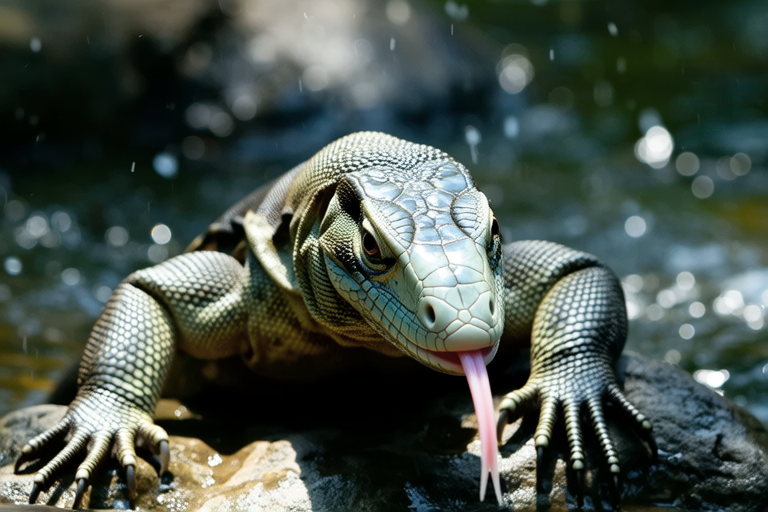
Unleashing the Mystery: What It’s Really Like to Own a Water Monitor
Owning a water monitor can be an incredibly rewarding experience, but it comes with significant responsibilities. These large, semi-aquatic reptiles are known for their unique behaviors, dietary needs, and habitat requirements. This article delves into the world of water monitors, providing insights for both current and prospective owners.
The Unique Behaviors of Water Monitors
Water monitors (Varanus salvator) are among the most fascinating reptiles in the world. They are known for their intelligence, curiosity, and agility. These animals have been observed using tools, such as sticks or rocks, to scratch themselves, indicating a level of problem-solving ability that is rare among reptiles. Their keen sense of smell allows them to track prey over long distances, making them efficient hunters. In captivity, they exhibit playful behavior, often interacting with their environment and exploring new objects placed in their enclosure.
Water monitors are also highly social creatures, which can lead to complex interactions within a group setting. However, it’s important to note that while they may show signs of affection towards humans, they are not domesticated animals. They require patience and understanding from their owners, who must respect their natural instincts and behaviors.
Dietary Needs of Water Monitors
Feeding a water monitor can be challenging due to their voracious appetites and varied diet. In the wild, they eat anything from insects and small mammals to fish and eggs. As pets, their diet should mimic this diversity as closely as possible. A balanced diet for a water monitor typically includes rodents, feeder fish, crickets, and other commercially available reptile food. It’s crucial to offer a variety of foods to ensure proper nutrition and prevent dietary deficiencies.
Vitamin and mineral supplements are essential for maintaining the health of your monitor. Calcium and vitamin D3 are particularly important, as they help support strong bones and overall health. Feeding live prey occasionally can also be beneficial, as it provides enrichment and mental stimulation. However, care must be taken to avoid overfeeding, as obesity is a common issue among captive water monitors.
Habitat Requirements for Water Monitors
Creating an appropriate habitat for a water monitor requires careful planning and attention to detail. The enclosure should be spacious, allowing the animal ample room to move around and explore. A minimum size of 6 feet by 4 feet by 4 feet is recommended for an adult monitor, though larger enclosures are preferable. The enclosure should include both land and water areas, as water monitors spend significant time in both environments.
Temperature and humidity levels are critical factors in maintaining a healthy environment. Water monitors thrive in temperatures between 85°F and 95°F during the day, with a basking spot reaching up to 100°F. At night, the temperature can drop slightly to around 75°F. Humidity should be maintained at 60% to 80%, which can be achieved through misting systems or humidifiers. Proper ventilation is also necessary to prevent the buildup of harmful bacteria and fungi.
The substrate used in the enclosure should be non-toxic and easy to clean. Cypress mulch, coconut fiber, or reptile-safe sand are popular choices. Water should be provided in a large container that allows the monitor to submerge completely, with regular cleaning to prevent bacterial growth.
Challenges of Owning a Water Monitor
While owning a water monitor can be incredibly rewarding, it also presents several challenges. One of the primary challenges is the sheer size of these animals. Adult water monitors can grow up to 7 feet in length and weigh over 50 pounds, requiring a substantial amount of space and resources. They also have powerful jaws and claws, which can cause injury if mishandled.
Another challenge is the cost associated with owning a water monitor. High-quality enclosures, heating equipment, and a diverse diet can add up quickly. Additionally, veterinary care for these animals can be expensive, as specialized reptile veterinarians are not always readily available.
It’s important to consider the long-term commitment involved in owning a water monitor. These animals can live for 15 to 20 years in captivity, requiring consistent care and attention throughout their lives. Prospective owners should research extensively and consult with experienced breeders or veterinarians before making a decision.
Initial Setup and Maintenance Tips
Setting up a home for your water monitor involves more than just purchasing an enclosure and supplies. Proper preparation ensures the safety and well-being of your pet. Start by selecting a secure enclosure with strong locks to prevent escapes. Install appropriate lighting and heating equipment, ensuring that all components are functioning correctly before introducing your monitor.
Maintaining a healthy environment for your water monitor involves regular cleaning and monitoring of temperature and humidity levels. Spot-clean the enclosure daily, removing waste and uneaten food. Perform a thorough cleaning every two weeks, disinfecting all surfaces and replacing substrates as needed. Regularly check the water quality, changing it frequently to prevent contamination.
Providing environmental enrichment is also crucial for the mental and physical health of your monitor. Offer hiding spots, climbing structures, and toys to stimulate exploration and play. Rotate items periodically to keep the enclosure interesting and engaging. Social interaction with your monitor can also contribute to its well-being, but always approach with caution and respect.
Rewarding Aspects of Ownership
Despite the challenges, owning a water monitor can be an incredibly rewarding experience. Watching these intelligent creatures interact with their environment and observe their unique behaviors can be both fascinating and entertaining. Many owners form strong bonds with their monitors, enjoying the companionship and trust that develops over time.
Water monitors are also excellent educational tools, teaching owners about the importance of responsible pet ownership and the complexities of caring for exotic animals. By providing proper care and attention, owners can help ensure the longevity and well-being of their pets, contributing to the overall welfare of the species.
Dispelling Common Myths
There are several misconceptions surrounding water monitors that can deter potential owners. One common myth is that they are aggressive and dangerous pets. While water monitors can be intimidating due to their size and appearance, they are generally docile and can be handled safely with proper training and respect.
Another myth is that they are easy to care for. As mentioned earlier, water monitors have specific dietary and habitat requirements that must be met to ensure their health and happiness. Potential owners should thoroughly research and prepare before bringing a water monitor into their home.
Lastly, some people believe that water monitors are solitary animals. While they can live alone, water monitors are social creatures that benefit from interaction and enrichment. Providing a stimulating environment and social engagement can enhance the quality of life for your pet.
In conclusion, owning a water monitor is a unique and rewarding experience that comes with significant responsibilities. By understanding the unique behaviors, dietary needs, and habitat requirements of these animals, owners can provide a safe and enriching environment for their pets. With proper care and attention, water monitors can thrive in captivity, offering companionship and entertainment for many years to come.
