Three-Striped Box Turtles: A Comprehensive Guide
Welcome to the fascinating world of three-striped box turtles! These charming reptiles are a delight for turtle enthusiasts and newcomers alike. With their distinctive three longitudinal yellow stripes on their dark shells, these turtles are easily recognizable. This guide will explore their captivating characteristics, habitats, diets, and behaviors. We’ll also delve into their role in ecosystems, conservation status, and the challenges they face in the wild. Additionally, we’ll provide tips for responsible ownership if you’re considering keeping one as a pet.
Physical Traits
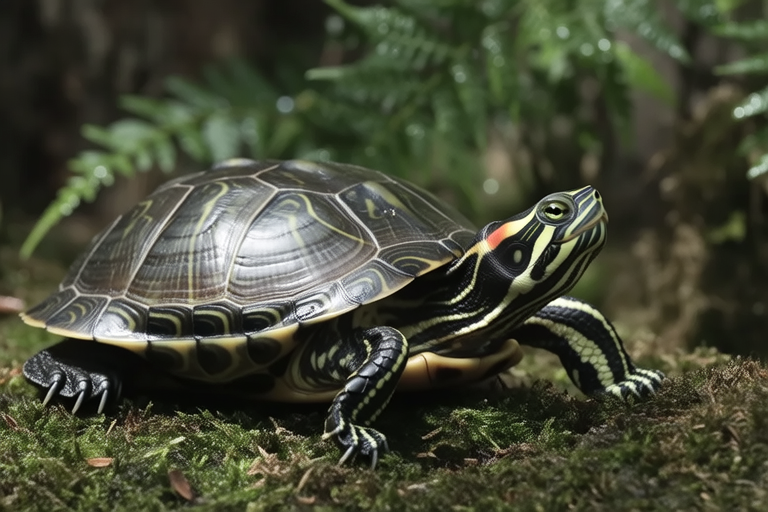
The three-striped box turtle (Cuora trifasciata) is a small to medium-sized turtle, typically ranging from 4 to 6 inches in length. Their most striking feature is the three prominent yellow stripes that run longitudinally down their dark brown or black carapace (upper shell). The plastron (lower shell) is usually pale yellow with dark blotches. Their limbs are usually grayish-brown, and their heads are adorned with red, orange, or yellow markings. These colors serve as camouflage in their natural habitat, helping them blend into leaf litter and underbrush.
Their most remarkable physical trait is their ability to close their shell completely when threatened. This adaptation allows them to protect themselves from predators by sealing their head, limbs, and tail inside the tightly-fitting shell. The hinge on the plastron enables this unique defensive mechanism.
Habitats and Distribution
Three-striped box turtles are native to Southeast Asia, specifically found in countries like Vietnam, Laos, and southern China. They inhabit diverse environments, including tropical rainforests, bamboo thickets, and grasslands. These turtles prefer humid, shaded areas with plenty of vegetation and access to water sources such as streams, ponds, or marshes. In the wild, they are often found near human settlements, making them vulnerable to habitat destruction and poaching.
Three-striped box turtles are highly adaptable to different environments within their range. They can thrive in various microhabitats, from dense forests to open fields. However, they require specific conditions to survive, such as adequate humidity and temperature levels, which can be challenging to replicate in captivity.
Diet and Behavior
Three-striped box turtles are omnivorous, meaning they eat both plant matter and animal protein. In the wild, their diet consists of fruits, berries, mushrooms, insects, worms, and occasionally small amphibians. As they grow older, their diet shifts more towards plants, making them primarily herbivorous in adulthood. Captive three-striped box turtles should have a balanced diet that reflects their natural eating habits.
These turtles are known for their slow and deliberate movements, spending much of their day basking in the sun or foraging for food. They are solitary creatures, preferring to live alone except during mating season. Three-striped box turtles are diurnal, meaning they are active during the day and rest at night. They hibernate during colder months, burrowing into the ground or finding shelter under logs or rocks.
Role in Ecosystems
Three-striped box turtles play an important role in their ecosystems as both predators and prey. By consuming fruits and seeds, they help disperse plant life, contributing to forest regeneration and biodiversity. As prey, they serve as a food source for larger animals, such as birds of prey and mammals. Their presence in an ecosystem indicates a healthy balance of flora and fauna.
However, due to habitat loss and overexploitation, three-striped box turtles are facing significant threats in the wild. Conservation efforts are crucial to ensure their survival and maintain the ecological balance they contribute to.
Conservation Status and Challenges
The International Union for Conservation of Nature (IUCN) lists the three-striped box turtle as “Vulnerable” on its Red List of Threatened Species. Habitat destruction, illegal wildlife trade, and overcollection for the pet trade are the primary threats to their survival. These factors have led to a decline in their population, making conservation efforts essential.
Conservation organizations and local communities are working together to protect three-striped box turtles and their habitats. Efforts include establishing protected areas, enforcing laws against poaching, and raising awareness about the importance of conserving these unique reptiles.
Tips for Responsible Ownership
If you’re considering keeping a three-striped box turtle as a pet, it’s crucial to understand their needs and provide them with an environment that closely mimics their natural habitat. Here are some tips for responsible ownership:
- Enclosure Setup: Provide a spacious enclosure with plenty of hiding spots, climbing structures, and a shallow water area. Maintain high humidity levels, around 70-80%, and temperatures between 75-85°F (24-29°C).
- Diet: Offer a varied diet consisting of fruits, vegetables, and occasional protein sources like mealworms or earthworms. Ensure a calcium supplement is available to prevent metabolic bone disease.
- Handling: Handle your turtle gently and infrequently, as excessive handling can cause stress.
- Veterinary Care: Regular check-ups with a veterinarian experienced in reptile care are essential to monitor your turtle’s health.
Remember, owning a three-striped box turtle is a long-term commitment. Ensure you’re prepared for the responsibility before bringing one home.
Fascinating Facts and Myths
Three-striped box turtles have been surrounded by myths and legends throughout history. One popular myth suggests that rubbing a turtle’s shell on your skin can cure ailments. While there’s no scientific evidence supporting this claim, it highlights the cultural significance of these turtles in certain regions.
Here are some fascinating facts about three-striped box turtles:
- They can live up to 50 years in the wild, making them long-lived reptiles.
- Three-striped box turtles have excellent eyesight and hearing, allowing them to detect potential threats or food sources.
- During mating season, males become more aggressive and may fight other males for dominance.
- Female three-striped box turtles can lay up to 10 eggs per clutch, but only a few hatchlings typically survive to adulthood.
Conclusion
Three-striped box turtles are captivating creatures with unique physical traits, behaviors, and roles in their ecosystems. Understanding their needs and challenges can help us appreciate these turtles and contribute to their conservation. Whether you’re a seasoned turtle enthusiast or new to the species, learning about three-striped box turtles is sure to deepen your appreciation for these remarkable reptiles.
