Exploring the Characteristics, History, and Behaviors of Shiba Inus
The Shiba Inu is a breed of small to medium-sized dogs originating from Japan. Known for their unique blend of independence and charm, these dogs have captured the hearts of dog lovers around the world. This article delves into their history, appearance, temperament, training challenges, interactions with families and other pets, care requirements, health considerations, and why they might be an ideal choice for certain types of owners.
Origins in Japan
The Shiba Inu has a rich history dating back over a thousand years. Originally bred for hunting in the mountainous regions of Japan, they were used to flush out small game and birds. The name “Shiba” can mean either “brushwood” (referring to the brushy landscape where they were often found) or “small.” They are considered the smallest of the six original breeds of Japanese dogs, and their resilience and adaptability have made them a beloved part of Japanese culture.
Appearance
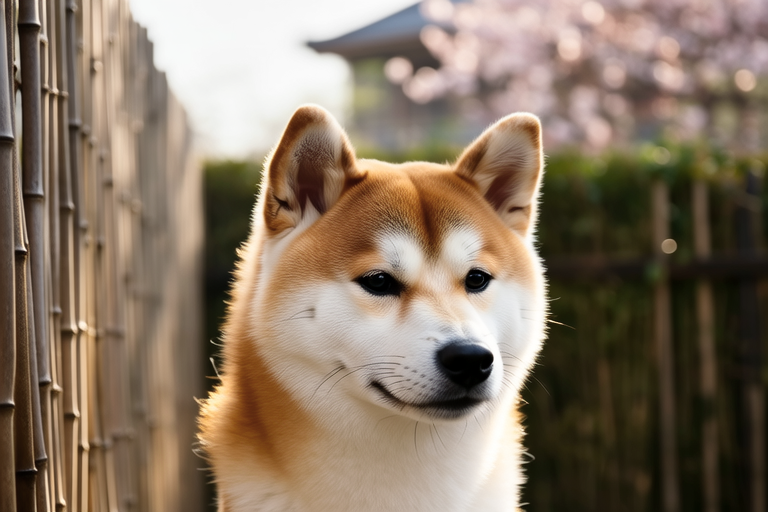
Shiba Inus are known for their striking appearance. They have a small, compact body, a fox-like face, and a thick double coat that comes in three colors: red, black and tan, and sesame (a mix of red and black). Their eyes are almond-shaped and dark brown, giving them an alert and intelligent expression. Their tails curl up over their backs, adding to their distinctive look. The breed’s agility and endurance are reflected in their muscular build, making them well-suited for the rugged terrain of their native Japan.
Temperament
One of the most fascinating aspects of the Shiba Inu is their temperament. While they are loyal and affectionate towards their family, they also possess a strong sense of independence. This combination makes them both charming and challenging pets. Shibas are known for their aloofness around strangers, which can make them excellent watchdogs but may require socialization from an early age to prevent excessive shyness or aggression. They are highly intelligent and can be quite stubborn, which can sometimes lead to training difficulties.
Training Challenges
Training a Shiba Inu requires patience and consistency. Due to their independent nature, they may not always respond to commands immediately. Positive reinforcement techniques, such as treats and praise, work best when training these dogs. It’s important to establish yourself as the pack leader from the start, as Shibas can become dominant if they perceive weakness. Socialization is crucial, especially during the puppy stage, to ensure they grow up to be well-adjusted and friendly towards people and other animals.
Interaction with Families and Other Pets
Shiba Inus can form strong bonds with their families, particularly children, as long as they are properly introduced and supervised. However, their independent streak means they may not always seek out attention or playtime. They tend to be reserved with strangers but can become very attached to their human companions. When it comes to other pets, Shibas can coexist peacefully if introduced at a young age. However, their prey drive can sometimes cause conflicts with smaller animals, so careful supervision is recommended.
Care Requirements
Caring for a Shiba Inu involves regular grooming, exercise, and mental stimulation. Their thick coats require weekly brushing to prevent matting and reduce shedding. Bathing should be done only when necessary, as frequent bathing can strip their coat of its natural oils. Exercise is essential for keeping Shibas healthy and happy. Daily walks and play sessions help burn off excess energy and keep them mentally stimulated. Providing puzzle toys and interactive games can also help satisfy their need for mental engagement.
Health Considerations
Like all breeds, Shiba Inus are prone to certain health issues. Common conditions include hip dysplasia, patellar luxation, and eye problems such as progressive retinal atrophy. Regular veterinary check-ups and a balanced diet are key to maintaining their overall health. Some Shibas may also suffer from allergies, which can manifest as skin irritations or gastrointestinal issues. Owners should be vigilant about any changes in their dog’s behavior or appearance and consult a veterinarian promptly if concerns arise.
Anecdotes and Studies
There are numerous anecdotes and studies that highlight the mysterious and independent nature of Shiba Inus. One famous story involves a Shiba Inu named Tama who became an internet sensation after being photographed staring intently at the camera with a mischievous smile. This image perfectly captures the breed’s enigmatic charm. Another study found that Shibas often exhibit a behavior known as “Shiba Shake,” where they shake their bodies vigorously, even when not wet. This quirky behavior is thought to be a remnant of their hunting instincts.
Tips for Potential Owners
If you’re considering bringing a Shiba Inu into your home, there are several things to keep in mind. First, ensure you’re prepared for the time and effort required to train and socialize your dog. Second, be patient and consistent in your approach to training. Third, provide plenty of opportunities for exercise and mental stimulation. Finally, consider adopting from a reputable breeder or rescue organization to give a Shiba Inu a second chance at a loving home.
Conclusion
Shiba Inus captivate the hearts of dog lovers around the world with their unique blend of independence and charm. Their rich history, striking appearance, and engaging personalities make them a fascinating breed to own. While they may present some challenges in terms of training and socialization, their loyalty and affection towards their families more than make up for it. For the right owner, a Shiba Inu can be a rewarding companion, offering years of joy and companionship. Whether you’re drawn to their enigmatic nature or simply can’t resist their adorable appearance, there’s no denying the special place Shibas hold in the hearts of dog enthusiasts everywhere.
