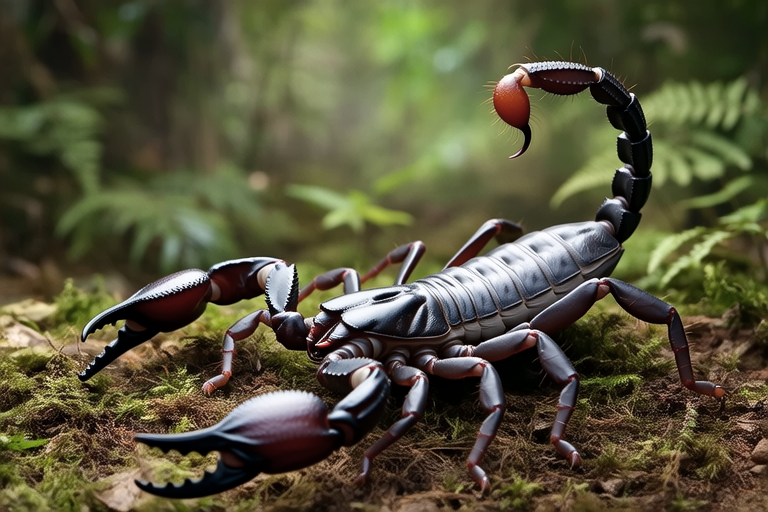
Heterometrus Spinifer: The Scorpion of Southeast Asia
Introduction:
The Heterometrus spinifer, commonly known as the spiny forest scorpion, is a fascinating arachnid found predominantly in Southeast Asian countries such as Thailand, Malaysia, Indonesia, and parts of India. This article delves into the physical characteristics, habitat, and behavior of the Heterometrus spinifer, while also discussing its venom composition and dispelling common myths about scorpion stings. Additionally, we will explore personal anecdotes, conservation status, threats to its environment, scientific insights, and conclude with safety tips for those who might encounter this species in the wild.
Physical Characteristics:
The Heterometrus spinifer is a medium-sized scorpion, typically ranging from 7 to 10 centimeters in length. It has a robust body structure, characterized by its broad and flattened carapace, which houses its vital organs. The most distinctive feature of this scorpion is the presence of prominent spines along its tail, which gives it its name. These spines serve both as defensive structures and aids in capturing prey. Its pincers, or pedipalps, are relatively large and strong, adapted for grasping and manipulating its food. The overall coloration of the Heterometrus spinifer ranges from dark brown to black, providing excellent camouflage against the forest floor.
Habitat and Behavior:
The Heterometrus spinifer thrives in humid, tropical forests, where it can find ample shelter under rocks, logs, and leaf litter. These environments provide the ideal conditions for maintaining the high humidity levels necessary for the scorpion’s survival. During the day, they remain hidden in their burrows or crevices, emerging at night to hunt for insects, spiders, and other small invertebrates. Their nocturnal lifestyle is primarily driven by the need to avoid daytime heat and predators. They are solitary creatures, except during mating season, when males engage in complex courtship rituals involving a dance-like series of movements.
Venom Composition and Myths Debunked:
The venom of the Heterometrus spinifer contains a cocktail of neurotoxins and other compounds designed to immobilize prey quickly. While the sting of this scorpion can be painful for humans, it is generally not life-threatening. Many myths surround scorpion stings, including the belief that all scorpions are deadly. However, the vast majority of scorpion species pose little threat to humans, and the Heterometrus spinifer is no exception. In cases where individuals experience severe reactions, it is often due to an allergic response rather than the toxicity of the venom itself. Proper medical attention can effectively manage these reactions.
Personal Anecdote:
During a trip to the Malaysian rainforest, I encountered a Heterometrus spinifer while exploring a dense area of undergrowth. Initially startled, I cautiously approached the scorpion, which was perched on a rock. Its spines glistened in the moonlight, and I could see the faint outline of its body against the dark background. After observing it for a few moments, I realized how perfectly camouflaged it was. This encounter left me with a newfound appreciation for the intricate adaptations of these creatures.
Conservation Status and Threats:
The Heterometrus spinifer is currently listed as “Least Concern” on the International Union for Conservation of Nature (IUCN) Red List, indicating that it is not facing immediate extinction risks. However, habitat destruction and fragmentation due to deforestation and urbanization pose significant threats to its natural environment. As human populations expand, the areas available for the scorpion’s habitat decrease, potentially leading to a decline in population numbers. Conservation efforts focus on preserving remaining habitats and promoting sustainable land use practices.
Role in Ecosystems and Recent Research Findings:
The Heterometrus spinifer plays a crucial role in its ecosystem by controlling insect populations and contributing to nutrient cycling. By preying on various invertebrates, it helps maintain a balance within the food chain. Recent research has shed light on the potential medicinal applications of its venom, particularly in the development of new pain management treatments. Scientists are investigating specific components of the venom that may offer analgesic properties without the side effects associated with traditional painkillers. Additionally, studies have explored the use of scorpion venom in cancer research, where certain toxins have shown promise in targeting cancer cells.
Safety Tips for Encounters:
If you find yourself in an area where the Heterometrus spinifer is known to reside, it is essential to take precautions to minimize the risk of encountering one. Wear long pants and closed-toe shoes when venturing into the forest, and carry a flashlight to illuminate your path at night. Avoid disturbing potential hiding spots, such as piles of rocks or logs. If you do come across a scorpion, remain calm and slowly back away to give it space. In the unlikely event of being stung, seek medical attention promptly, especially if you experience symptoms beyond localized pain.
Conclusion:
The Heterometrus spinifer is a remarkable species with unique physical characteristics, behaviors, and ecological roles. Understanding its biology and addressing misconceptions about its venom can foster greater appreciation and respect for this fascinating creature. By supporting conservation efforts and adhering to safety guidelines, we can coexist harmoniously with the Heterometrus spinifer and ensure its continued presence in our ecosystems.
