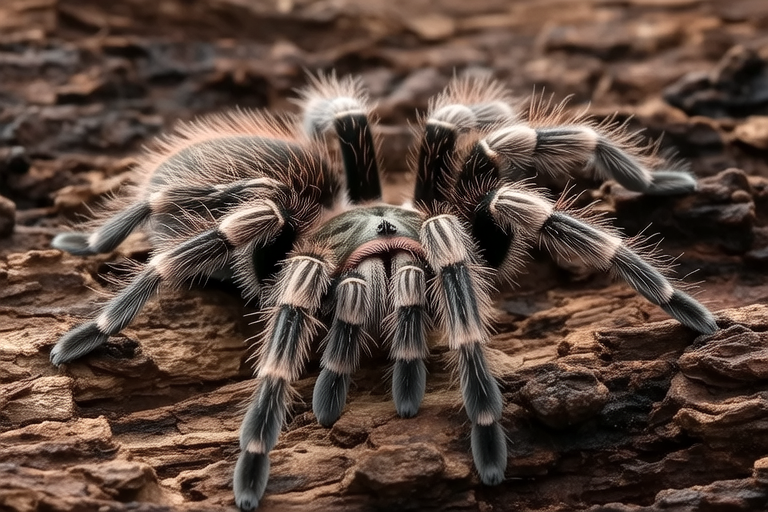
The Ultimate Guide to Choosing the Perfect Tarantula Species
Welcome to the world of tarantulas! These fascinating creatures have captivated pet owners for decades. Known for their large size, hairy appearance, and often intimidating demeanor, tarantulas can make unique and rewarding pets. Despite their fearsome reputation, many tarantula species are docile and relatively easy to care for. This guide will help you navigate the exciting journey of selecting the perfect tarantula species for your home.
Understanding Tarantulas as Pets
Tarantulas are part of the family Theraphosidae, comprising over 900 known species. They range from small, compact arachnids to larger, leg-spanning giants. Their unique characteristics include the ability to regenerate lost limbs, produce silk for webbing, and defend themselves by ejecting urticating hairs. While some species may appear aggressive, most are quite calm and make excellent pets for those willing to learn about their care and needs.
Factors to Consider When Choosing a Tarantula Species
Size
One of the first things to consider is the size of the tarantula. Smaller species like Pamphobeteus antillensis are easier to handle and require less space. Larger species, such as Aphonopelma chalcodes, can reach impressive sizes but need more substantial enclosures.
Temperament
Some tarantulas are more docile than others. For instance, Aphonopelma chalcodes and Pamphobeteus antillensis tend to be calm and tolerant of handling. In contrast, species like Pterinochilus murinus are more skittish and prone to defensive behaviors.
Care Requirements
Different species have varying care requirements. Some prefer dry environments, while others thrive in humid conditions. Understanding these needs is crucial for providing a healthy habitat.
Environmental Needs
Tarantulas require specific environmental conditions to thrive. Factors such as temperature, humidity, and substrate choice are critical. Ensuring these elements are appropriate for the chosen species is essential.
Popular Tarantula Species: A Comparative Guide
Beginner-Friendly Species
Pamphobeteus antillensis: This species is relatively small, calm, and easy to handle, making it ideal for beginners.
Aphonopelma chalcodes: Known for its docile nature, this species is another great option for novice tarantula owners.
Species for Experienced Owners
Pterinochilus murinus: While beautiful, this species requires more experience due to its skittish behavior.
Brachypelma albopilosum: A medium-sized species that demands a bit more attention to detail regarding its environment.
Setting Up the Perfect Habitat
Enclosure Size
Choose an enclosure based on the tarantula’s size. Generally, the enclosure should be at least three times the length of the tarantula’s body and twice as wide.
Substrate
Use a substrate that mimics the tarantula’s natural environment. Coconut fiber or peat moss works well for most species.
Temperature and Humidity
Most tarantulas prefer temperatures between 75°F and 85°F (24°C to 29°C). Humidity levels vary; tropical species like higher humidity, while desert species prefer drier conditions.
Dietary Needs and Feeding Tips
Tarantulas are carnivorous and primarily feed on insects. Crickets, mealworms, and dubia roaches are common food choices. Feed juveniles every few days, reducing frequency as they mature.
Maintenance and Health Considerations
Regularly observe your tarantula for signs of illness, such as lethargy, lack of appetite, or unusual behavior. Keep the enclosure clean and provide fresh water daily. Consult a veterinarian specializing in exotic animals for any health concerns.
Conclusion
Choosing the right tarantula species is the first step toward a rewarding pet ownership experience. By understanding the unique characteristics of different species and providing them with the proper care, you can ensure a long and healthy life for your new arachnid friend. Whether you’re a beginner or an experienced owner, there’s a tarantula out there just waiting for you.
