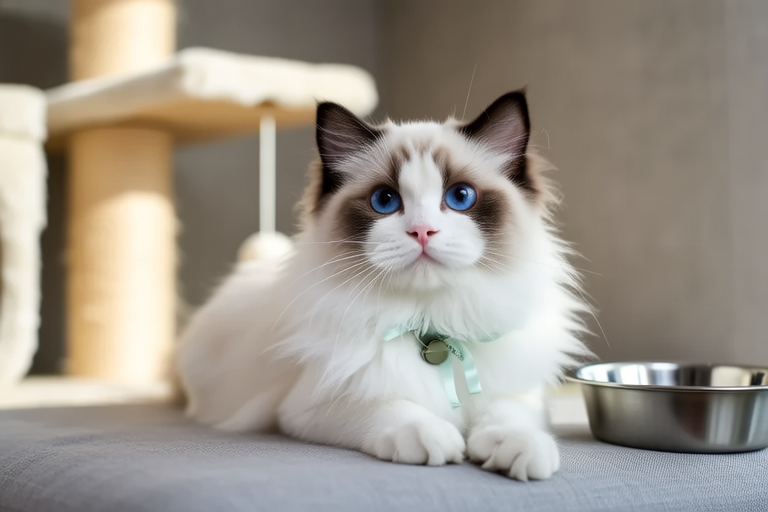
Top 10 Secrets Every Persian Cat Owner Should Know
Welcome to the wonderful world of Persian cats! These elegant felines are known for their stunning looks and gentle demeanor. However, owning a Persian cat comes with its own set of responsibilities and challenges. This article will share top secrets that every Persian cat owner should know, offering practical tips, unique insights, and essential care advice.
1. Grooming Needs: The Luxurious Coat’s Maintenance
Persian cats are famous for their long, flowing coats, but this beauty comes with a price. Their fur requires daily brushing to prevent matting and hairballs. Use a high-quality slicker brush and comb to remove loose hairs and tangles gently. Regular grooming also helps distribute natural oils, keeping their coat healthy and shiny.
2. Health Issues Common to Persians
Persian cats are predisposed to certain health conditions. Polycystic kidney disease (PKD) is prevalent among them. Early diagnosis through genetic testing can help manage this condition effectively. Additionally, they are prone to respiratory problems due to their flat faces, which can lead to breathing difficulties. Keeping your home well-ventilated and avoiding exposure to smoke or strong odors can alleviate these issues.
3. Dietary Requirements: Nourishing Your Persian
A balanced diet is crucial for a Persian cat’s overall health. High-quality commercial cat food, rich in protein and low in carbohydrates, is recommended. Avoid foods containing fillers, artificial preservatives, or dyes. Fresh water should always be available. Consult your veterinarian about supplementing their diet with omega-3 fatty acids to promote skin and coat health.
4. Behavior Patterns: Understanding Your Persian
Persians are typically calm and affectionate, making them excellent companions. They enjoy quiet environments and may become stressed in noisy households. Provide them with a cozy, comfortable space where they can retreat when needed. While they are generally independent, they still crave attention and interaction from their owners.
5. Environmental Adjustments: Creating a Safe Haven
Ensure your home is safe for your Persian cat. Persian cats are prone to obesity, so provide opportunities for play and exercise. Use climbing trees and interactive toys to encourage physical activity. Persian cats also have sensitive eyes; keep their living area clean and free from dust and debris. Place soft bedding and scratching posts in easily accessible areas.
6. Social Interactions: Building Strong Bonds
Persian cats thrive on human interaction. Spend quality time with your pet, engaging in activities such as playing, grooming, and cuddling. Introduce new people gradually to avoid overwhelming your cat. Establish a routine that includes regular play sessions and bonding time. This will strengthen your bond and make your Persian feel secure and loved.
7. Exercise Needs: Keeping Your Persian Fit
Despite their sedentary nature, Persian cats need regular exercise to maintain a healthy weight and prevent obesity-related health issues. Encourage playtime with interactive toys designed for cats, such as feather wands or laser pointers. Consider creating an indoor playground with tunnels and perches to stimulate their minds and bodies.
8. Grooming Tools Recommendations: Essential Equipment
Invest in quality grooming tools specifically designed for long-haired cats. A slicker brush is essential for removing tangles and distributing oils. A wide-toothed comb helps prevent matting. A soft-bristled brush is useful for daily maintenance. Additionally, consider purchasing a de-shedding tool to reduce shedding and minimize hairballs.
9. Potential Allergies: Identifying and Managing Sensitivities
Persian cats can develop allergies, often triggered by environmental factors such as pollen, dust mites, or certain foods. Signs of allergies include excessive scratching, redness around the face and paws, and sneezing. If you suspect your cat has an allergy, consult your veterinarian for proper diagnosis and treatment options. Maintaining a clean living environment and using hypoallergenic products can help manage symptoms.
10. Tips for Maintaining Their Luxurious Coat
Maintaining a Persian cat’s coat involves more than just regular brushing. Bathe your cat every few months using a mild, pH-balanced shampoo. After bathing, dry them thoroughly with a towel or use a blow dryer on a cool setting. Trim their nails regularly to prevent overgrowth. Finally, pay attention to their diet and ensure it provides adequate nutrients for healthy skin and fur.
Owning a Persian cat is a rewarding experience filled with love and companionship. By understanding their unique needs and providing appropriate care, you can ensure your Persian cat leads a happy, healthy life. Remember, each cat is an individual, so observe your pet closely and tailor their care accordingly.
