Tarantula Trivia: Fun Facts and Surprising Insights into These Amazing Arachnids
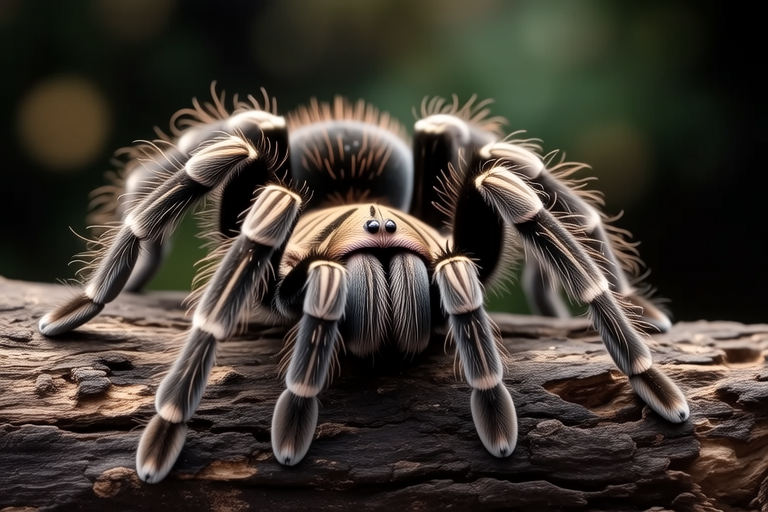
When most people think of tarantulas, they picture large, hairy spiders with fearsome fangs. While this image is not entirely inaccurate, it does little justice to the fascinating world of these amazing arachnids. Tarantulas come in a wide variety of sizes, colors, and behaviors, each with its own unique set of characteristics that make them some of the most intriguing creatures in the animal kingdom. This article will explore the many facets of tarantulas, from their habitats and diets to their defense mechanisms and surprising pet potential.
Habitat: Spinning Worlds of Mystery
Tarantulas are found all over the world, but they thrive in warm, tropical regions. They can be found in deserts, rainforests, and even grasslands. Each species has adapted to its specific environment, leading to a wide range of behaviors and physical characteristics. For instance, desert-dwelling tarantulas are often more active at night to avoid the harsh daytime heat, while their forest counterparts may be more active during the day or twilight hours.
These spiders are skilled architects when it comes to creating their homes. Tarantulas typically live in burrows, which they dig themselves or sometimes take over from other animals. Burrows provide protection from predators and extreme weather conditions. The entrances to these burrows are often lined with silk threads that act as trip wires, alerting the tarantula to any approaching threats. Some species even create elaborate tunnel systems with multiple chambers and ventilation holes.
Diet: Carnivorous Creations
Tarantulas are carnivores and have a varied diet that includes insects, small mammals, birds, and even reptiles. Their powerful jaws and venomous fangs allow them to capture and subdue prey. The venom serves primarily as a means to immobilize and begin the digestion process by breaking down the internal organs of their victims. After injecting venom, tarantulas use digestive enzymes to liquefy the insides of their prey before sucking out the nutritious juices.
Despite their fearsome reputation, tarantulas play a crucial role in their ecosystems by controlling insect populations and serving as food for larger predators. They are also important indicators of environmental health, as changes in their populations can signal broader ecological issues.
Defense Mechanisms: More Than Just Fangs
While tarantulas are equipped with formidable fangs, they have a variety of defense mechanisms at their disposal. One of the most interesting is the ability to release hairs from their abdomen as a deterrent. When threatened, some species can flick these barbed hairs toward their attacker. The hairs can cause irritation and discomfort, effectively discouraging predators. In addition to their hair-flicking technique, tarantulas can also produce a hissing sound by rubbing together the bristles on their legs, further deterring potential threats.
Another fascinating aspect of tarantula defense is their ability to play dead. If cornered or captured, some species will enter a state of catalepsy, appearing lifeless to would-be predators. This behavior increases their chances of survival by making them less appealing as prey.
Myths Debunked: Separating Fact from Fiction
One of the most common misconceptions about tarantulas is that they are highly venomous and dangerous to humans. While it’s true that tarantulas can deliver painful bites, most species pose little threat to humans. Their venom is typically no more potent than a bee sting, and severe reactions are rare. In fact, many people keep tarantulas as pets without incident.
Another myth is that tarantulas are aggressive and attack humans on sight. In reality, tarantulas are generally shy and reclusive creatures that prefer to avoid confrontation. They will only bite if they feel threatened or provoked. Additionally, tarantulas do not build webs to catch prey like many other spiders. Instead, they rely on ambush tactics or actively hunt their food.
Unique Physical Characteristics: A World of Wonders
Tarantulas come in a stunning array of colors and patterns, ranging from dark browns and blacks to vibrant reds, blues, and greens. Some species even have iridescent bodies that shimmer in certain light. Their size also varies greatly, with the largest species reaching up to 12 inches in leg span. Despite their intimidating appearance, tarantulas are covered in soft, fine hairs that give them their characteristic ‘fuzziness.’ These hairs help protect them from predators and assist in sensory perception.
Perhaps one of the most fascinating aspects of tarantulas is their regeneration abilities. If a tarantula loses a leg, it can regrow it over time. This process, known as molting, allows the spider to shed its exoskeleton and emerge with new limbs. Molting is also essential for growth and reproduction, making it a critical part of the tarantula’s lifecycle.
Tips for Pet Owners: A Tarantula’s Best Friend
If you’re considering a tarantula as a pet, there are several factors to keep in mind. First and foremost, ensure that you choose a species suitable for captivity. Some tarantulas are better suited to life in a terrarium than others. Research the specific needs of your chosen species, including temperature, humidity, and dietary requirements.
Adequate housing is crucial for the well-being of your pet tarantula. Provide a spacious enclosure with plenty of hiding spots and appropriate substrate for digging. Regular cleaning and maintenance of the enclosure are necessary to prevent the buildup of bacteria and ensure a healthy environment.
Feeding your tarantula is relatively straightforward, but it’s important to offer a balanced diet. Most tarantulas will eat crickets, mealworms, and other small insects. Avoid feeding overly large prey, as this can lead to injury or digestive issues. Always monitor your tarantula’s eating habits and adjust feeding schedules as needed.
Conclusion: Embracing the Enigma
Tarantulas are complex and fascinating creatures that deserve our respect and admiration. From their intricate burrows to their diverse diets and remarkable defense mechanisms, these spiders have much to teach us about adaptability and survival. By dispelling common myths and learning more about their unique characteristics, we can gain a deeper appreciation for these often misunderstood arachnids. Whether admired from afar or kept as cherished pets, tarantulas continue to captivate and inspire with their mysterious allure.
