Adopting a Red-eared Slider? Here’s Everything You Need Before Bringing Them Home
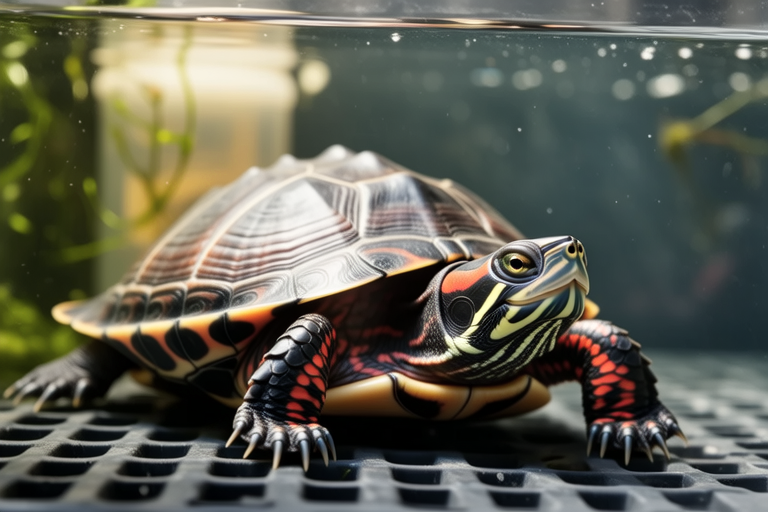
Welcome to the fascinating world of red-eared sliders! These charismatic reptiles have long been a favorite among turtle enthusiasts, both beginners and experienced herpetologists alike. Known for their distinctive red stripes behind each eye, red-eared sliders (Trachemys scripta elegans) are one of the most popular aquatic turtle species kept as pets. However, before you bring one home, it’s crucial to understand the specific care requirements that will ensure your new pet lives a long and healthy life.
Understanding Red-Eared Sliders
Red-eared sliders are semi-aquatic turtles native to the southern United States and northern Mexico. They thrive in freshwater environments such as ponds, lakes, and slow-moving rivers. Their name comes from the red stripe behind each eye and their tendency to slide off rocks or logs into the water when startled. This adaptability has made them popular pets, but it also means they require careful management to thrive in captivity.
Habitat Setup: The Basics
The first step in preparing for your red-eared slider is setting up a suitable habitat. Red-eared sliders need plenty of space to swim, bask, and explore. A general rule of thumb is that the tank should be at least 10 gallons per inch of shell length for young turtles, increasing to 40 gallons or more for adults. Given their size, many adult red-eared sliders require a minimum of 75 gallons of water.
Water Quality Maintenance
Maintaining clean and healthy water is essential for your turtle’s well-being. Regularly monitor water parameters like pH, ammonia, nitrite, and nitrate levels. Perform partial water changes weekly, ensuring the water temperature stays between 75-80°F (24-27°C). Equip the tank with a powerful filtration system capable of handling the water volume effectively.
Lighting Needs
Proper lighting is vital for your turtle’s overall health. Red-eared sliders require UVB light to synthesize vitamin D3, which aids in calcium absorption. Place a UVB-emitting fluorescent bulb over the basking area, ensuring it provides adequate coverage for the entire basking spot. Additionally, provide a heat lamp to maintain a basking temperature of around 90-95°F (32-35°C).
Diet and Nutrition
A balanced diet is critical for maintaining the health of your red-eared slider. In the wild, they are omnivores, consuming a variety of aquatic plants, insects, and small fish. In captivity, a varied diet should include commercial turtle pellets, fresh vegetables (like romaine lettuce, kale, and spinach), and occasional protein sources such as earthworms, crickets, and fish. Feed juveniles daily, reducing to every other day as they mature. Always provide a calcium supplement to support strong shell and bone development.
Lifespan and Growth Rate
Understanding the lifespan and growth rate of your red-eared slider is crucial for long-term planning. With proper care, these turtles can live up to 40 years. They grow rapidly during their first few years, reaching maturity around 4-6 years of age. Be prepared for significant growth, especially if you start with a hatchling. This means investing in a larger tank or outdoor pond as they mature.
Common Health Issues and Prevention
Like any pet, red-eared sliders are susceptible to certain health issues. Metabolic bone disease (MBD) is one of the most common problems, resulting from inadequate calcium intake or insufficient UVB exposure. Symptoms include soft shells, lethargy, and difficulty moving. To prevent MBD, ensure your turtle receives ample UVB light and a balanced diet rich in calcium.
Respiratory infections can also occur due to poor water quality or improper temperatures. Signs include labored breathing, mucus around the nostrils, and decreased activity. Maintaining clean water and appropriate environmental conditions can help prevent these infections.
Handling and Interaction Tips
When handling your red-eared slider, always wash your hands before and after interaction to prevent the spread of bacteria. Support their body fully, especially the shell, to avoid injury. Avoid handling your turtle too frequently, as excessive handling can cause stress. Instead, observe their behavior from a distance and interact gently when necessary.
Adopting from Shelters or Rescues
Before considering purchasing a red-eared slider from a breeder or pet store, consider adopting from a shelter or rescue organization. Many turtles end up in shelters due to owners’ inability to meet their care requirements. Adopting a rescue offers a chance to give a second life to a deserving animal while supporting reputable organizations dedicated to animal welfare.
In conclusion, adopting a red-eared slider is a rewarding experience that requires commitment and dedication. By understanding their unique needs and providing proper care, you can ensure your turtle lives a long, healthy, and happy life. Remember, with great responsibility comes great rewards, and your efforts will be rewarded with the companionship of a fascinating and enduring pet.
