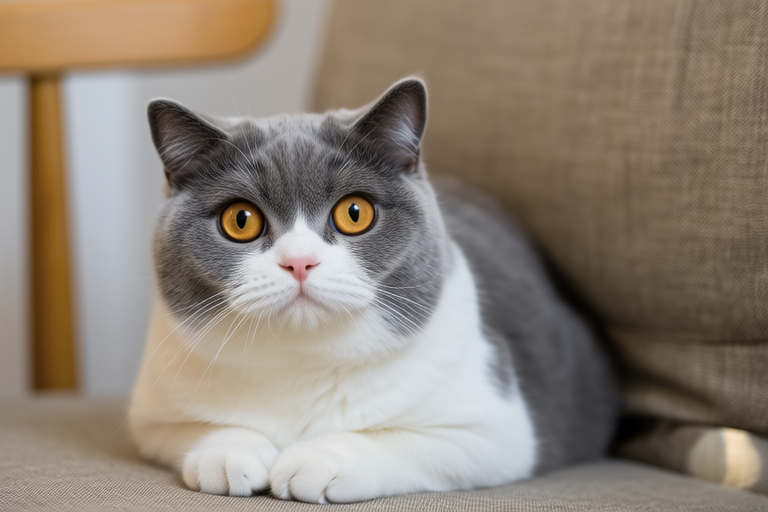
Scottish Fold Cats: More Than Just Their Iconic Floppy Ears
Welcome to the fascinating world of Scottish Fold cats! Known for their uniquely folded ears that give them an almost owl-like appearance, these felines have captured the hearts of many cat enthusiasts around the globe. But there’s so much more to these adorable creatures than just their distinctive look. Let’s dive into the history, personality, care requirements, and health concerns of Scottish Folds, making it clear why they make wonderful companions.
A Brief History of the Scottish Fold
The story of the Scottish Fold begins in 1961 in Scotland, when a shepherd cat named Susie was born with unusually folded ears. Her offspring inherited this trait, and through selective breeding, the Scottish Fold breed was developed. Despite their origins in Scotland, these cats have since spread across the world, becoming popular in various countries for their charming personalities and unique appearance.
The Unique Characteristics of Scottish Fold Cats
One of the most striking features of Scottish Folds is, of course, their folded ears. This genetic mutation causes the cartilage in their ears to fold forward and downward, giving them a distinctively rounded profile. However, not all kittens born to Scottish Fold parents will develop folded ears; some may have straight ears like their parents. Both types are equally affectionate and loyal, making them excellent companions.
Temperament and Personality Traits
Scottish Fold cats are known for their gentle and calm demeanor. They tend to be very social animals, often seeking out human interaction and companionship. These cats enjoy being petted and can form strong bonds with their owners. While they are generally quiet, they do communicate with soft chirps or meows, especially when they want attention or food.
Compared to other breeds, Scottish Folds are relatively low-maintenance in terms of grooming. Their short coats require minimal brushing, though regular nail trimming and dental care are still important. They adapt well to indoor living and can thrive in apartments or houses, provided they have enough space to explore and play.
Care Requirements for Scottish Fold Cats
When it comes to feeding your Scottish Fold, it’s essential to provide a balanced diet rich in nutrients. Consult with your veterinarian to determine the best type and amount of food for your cat based on its age, weight, and activity level. Fresh water should always be available.
Grooming is another crucial aspect of caring for your Scottish Fold. Although their short fur requires less maintenance than long-haired breeds, regular brushing helps remove loose hair and prevents matting. Additionally, Scottish Folds should be bathed occasionally to keep their coat clean and shiny. Pay special attention to their ears, which may need more frequent cleaning due to their unique shape.
Mental stimulation is vital for keeping your Scottish Fold happy and healthy. Provide plenty of toys and interactive games to engage their minds and bodies. Puzzle feeders and treat-dispensing toys are excellent options for encouraging mental engagement while providing physical exercise.
Common Health Issues in Scottish Fold Cats
Unfortunately, the same genetic mutation responsible for the folded ears also predisposes Scottish Folds to certain health problems. One of the most significant concerns is osteochondrodysplasia (OCD), a condition affecting bone and cartilage development. This can lead to joint pain and mobility issues, particularly in the tail, legs, and spine.
To minimize the risk of OCD, reputable breeders avoid breeding two folded-eared cats together. Instead, they pair folded-eared cats with straight-eared ones from the same lineage. This practice helps maintain the desirable traits of the breed while reducing the likelihood of inheriting harmful genes.
Other potential health issues include respiratory infections, dental problems, and obesity. Regular veterinary check-ups, proper nutrition, and routine dental care can help prevent or manage these conditions effectively.
Tips for Potential Owners
If you’re considering adding a Scottish Fold to your family, here are some tips to ensure both you and your new furry friend have a smooth transition:
- Choose a Reputable Breeder: Ensure that the breeder prioritizes the health and welfare of their cats by avoiding inbreeding and conducting necessary health screenings.
- Prepare Your Home: Create a safe environment for your new kitten or adult cat by securing potential hazards and providing comfortable resting spots.
- Establish Routines: Set up feeding times, litter box locations, and play sessions to create structure and predictability in your cat’s daily life.
- Patient Training: Be patient when training your Scottish Fold, as they may take time to adjust to new routines or commands. Positive reinforcement works best.
Conclusion
Scottish Fold cats offer more than just their iconic floppy ears—they bring joy, companionship, and love into homes worldwide. With their gentle nature, adaptability, and unique appearance, these cats make fantastic additions to any family. By understanding their specific needs and providing appropriate care, you can ensure a long and happy life together with your Scottish Fold companion.
