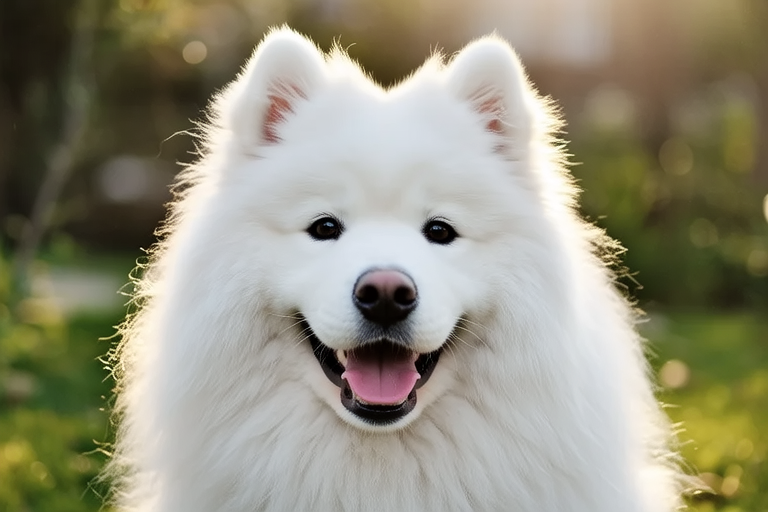
Samoyed Smiles: Unveiling the Secret Behind Their Infectious Grins
The world of dogs is vast and varied, with each breed offering unique traits and characteristics that make them beloved companions. Among these, the Samoyed stands out for its striking appearance and one particularly endearing feature: its infectious smile. Known for their white, fluffy coats and perpetually grinning faces, Samoyeds have captured the hearts of dog lovers worldwide. This article delves into the genetics, behavior, and history of this breed, exploring why their smiles are so captivating and what makes them such delightful companions.
The Distinctive Samoyed Smile
At first glance, the Samoyed’s smile is unmistakable. With their broad, upturned mouths, they appear to be perpetually happy and friendly. This characteristic is not just a result of their facial structure but also a genetic quirk that sets them apart from other breeds. The Samoyed’s smile is due to a specific genetic mutation that causes their lips to curl upwards, revealing their teeth in a way that looks like a genuine grin. This genetic trait is often referred to as the “Samoyed smile” and is a hallmark feature of the breed.
Their smiles are more than just a physical attribute; they play a crucial role in their social interactions. Samoyeds are known for their friendly demeanor, and their smiles are often the first thing people notice about them. This trait has contributed significantly to their popularity as pets and working dogs. Their constant display of happiness can uplift the mood of anyone who comes into contact with them, making them ideal companions for families and individuals seeking a joyful presence in their lives.
The Genetic and Behavioral Roots of Their Smiles
The genetic basis for the Samoyed’s smile is rooted in their ancestry. Originally bred by the Samoyede people of Siberia for herding reindeer and pulling sleds, these dogs were valued for their endurance and adaptability. Over generations, certain physical traits became more prominent, including the genetic mutation responsible for their characteristic smile. This mutation, while not essential for their survival, has become a defining feature of the breed.
Beyond genetics, the behavior of Samoyeds also contributes to their perpetual smiles. These dogs are naturally social and affectionate, traits that have been selectively bred over centuries. They thrive in environments where they can interact with humans and other animals, which explains why they are often found in households and working roles where they can engage with others. Their friendly disposition is reflected in their body language, including their wagging tails and, of course, their ever-present smiles.
A Brief History of the Samoyed Breed
The Samoyed’s history is rich and fascinating, dating back to ancient times when they were integral to the lives of the Samoyede people. Originating in Siberia, these dogs were originally used for herding reindeer and pulling sleds across vast, snowy landscapes. Their thick, insulating coats made them well-suited for these tasks, and their friendly nature helped them bond closely with their handlers.
As time went on, Samoyeds began to attract attention beyond their native region. In the late 19th century, they were introduced to Western Europe and North America, where they quickly gained popularity as both working dogs and pets. Their adaptability and friendly demeanor made them ideal for various roles, from sled racing to therapy work. Today, Samoyeds are cherished for their loyalty, intelligence, and, of course, their endearing smiles.
The Impact of Samoyed Smiles on Human Interaction
Studies and anecdotes alike highlight the positive impact of Samoyed smiles on human interaction. Research has shown that interacting with dogs, especially those with friendly dispositions like Samoyeds, can reduce stress and improve overall emotional well-being. The sight of a Samoyed’s smile can trigger the release of oxytocin, often called the “love hormone,” in humans, fostering a sense of connection and joy.
One notable example of the Samoyed’s influence comes from a study conducted at a hospital where therapy dogs, including several Samoyeds, visited patients. Researchers observed significant improvements in patient morale and reduced levels of anxiety among those who interacted with the dogs. Patients reported feeling happier and more relaxed after spending time with the Samoyeds, many attributing this change to the dogs’ cheerful expressions and playful nature.
Tips for Potential Samoyed Owners
If you’re considering adding a Samoyed to your family, it’s important to understand the care and attention they require to maintain their health and happiness. Here are some tips to help ensure your Samoyed stays healthy and continues to wear that infectious smile:
- Regular Exercise: Samoyeds are an active breed that requires plenty of exercise to stay fit and mentally stimulated. Daily walks and playtime are essential to keeping their energy levels in check and preventing boredom-related behaviors.
- Nutrition: A balanced diet is crucial for maintaining their coat and overall health. Consult with your veterinarian to determine the best nutritional plan for your Samoyed, taking into account their age, weight, and activity level.
- Grooming: Their thick, fluffy coats require regular grooming to prevent matting and skin issues. Brushing them weekly, and more frequently during shedding seasons, will help keep their fur healthy and manageable.
- Mental Stimulation: Providing mental challenges through training and interactive toys can help keep your Samoyed engaged and prevent destructive behaviors. Puzzle toys and obedience training are great ways to stimulate their minds.
- Socialization: Encouraging social interactions with other dogs and humans from an early age will help your Samoyed develop their friendly demeanor and continue to be the social butterfly they are known to be.
By following these guidelines, you can ensure that your Samoyed remains healthy, happy, and ready to share their smiles with everyone they meet. Remember, the key to a Samoyed’s bright smile lies in providing them with love, care, and opportunities to connect with others.
Conclusion
The Samoyed’s infectious smile is more than just a charming physical feature; it’s a testament to their friendly nature and the deep bond they share with humans. From their origins in Siberia to their current status as beloved pets and therapy dogs, Samoyeds have consistently brought joy and comfort to those around them. By understanding the genetic and behavioral roots of their smiles, we can appreciate not only their physical beauty but also the emotional connection they offer.
For those considering welcoming a Samoyed into their home, remember that their smiles are a reflection of their contentment and happiness. By providing them with the care and attention they need, you can ensure that their spirits and smiles remain bright for years to come. Whether you’re a seasoned dog owner or new to the world of canine companionship, the Samoyed’s enduring charm is sure to leave a lasting impression.
