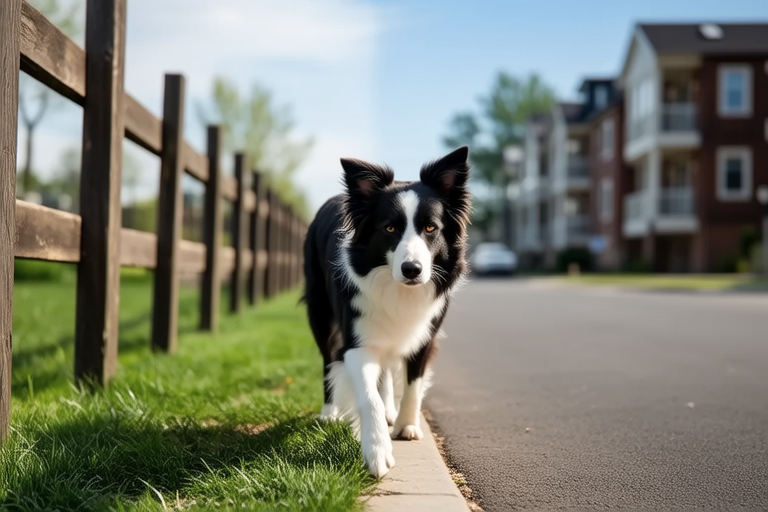
From Sheep to Couch: Transitioning a Border Collie into City Life
Border Collies are known for their intelligence, agility, and energy, traits that make them excellent herders in rural environments. However, these same qualities can pose challenges when transitioning a Border Collie to city life. This article aims to provide practical advice for owners looking to adapt their highly active Border Collies to urban settings. We’ll explore understanding Border Collie behavior, exercise needs, mental stimulation alternatives, training tips for good behavior in cities, and dietary adjustments.
Understanding Border Collie Behavior
Border Collies are bred to work tirelessly, often for hours at a time. They are highly intelligent, quick learners, and thrive on mental and physical stimulation. In rural settings, they herd sheep, which provides both physical exercise and mental engagement. When brought to a city, these dogs may struggle with the lack of space and opportunities for their natural behaviors.
Owners need to recognize signs of stress or boredom in their dogs. Common indicators include excessive barking, chewing, digging, or pacing. Understanding these behaviors is crucial for addressing them appropriately.
Exercise Needs
Border Collies require substantial daily exercise to maintain their physical health and mental well-being. In a city, it might be challenging to replicate the long walks and runs they’re accustomed to in rural areas. Owners must find creative ways to meet their exercise needs.
Urban parks offer great opportunities for off-leash play, allowing dogs to run freely and burn off excess energy. Agility courses, available in many cities, provide structured exercise that stimulates both body and mind. Additionally, swimming can be an excellent alternative, especially if there’s access to a nearby lake or pool.
Mental Stimulation Alternatives in Urban Settings
In addition to physical exercise, Border Collies need mental stimulation to prevent boredom and destructive behaviors. Owners can incorporate various activities into their routine:
- Interactive toys: Puzzle toys and treat-dispensing devices challenge the dog’s problem-solving skills.
- Training sessions: Regular training sessions keep the dog engaged and reinforce good behavior.
- Games: Playing fetch or hide-and-seek with the dog provides both physical activity and mental engagement.
Real-life example: Sarah, a new city resident, adopted a Border Collie named Max. Initially, Max was restless and destructive. After introducing puzzle toys and regular training sessions, Max became more relaxed and less anxious.
Training Tips for Good Behavior in Cities
Training is essential for ensuring your Border Collie behaves appropriately in urban environments. Here are some tips:
- Consistency: Use consistent commands and rewards to reinforce desired behaviors.
- Positive reinforcement: Reward good behavior with treats, praise, or playtime.
- Leash training: Teach your dog to walk calmly on a leash to avoid pulling or lunging at passersby.
- Socialization: Expose your dog to various people, animals, and environments to build confidence and reduce anxiety.
Case study: John moved to the city with his Border Collie, Bella. Initially, Bella was shy and fearful around strangers. Through consistent socialization and positive reinforcement training, Bella became friendly and approachable, making walks in the city enjoyable for both owner and dog.
Adapting Diet for City Life
Diet plays a crucial role in maintaining a Border Collie’s health and energy levels. Owners should consider the following:
- High-quality food: Choose a high-quality dog food that meets the specific nutritional needs of Border Collies.
- Portion control: Adjust portion sizes based on the dog’s activity level to prevent obesity.
- Hydration: Ensure your dog has access to clean water, especially during hot weather.
Real-life example: Lisa noticed her Border Collie, Charlie, was gaining weight after moving to the city. By adjusting Charlie’s portion sizes and incorporating more physical activity, Lisa helped Charlie maintain a healthy weight.
The Importance of Patience and Consistency
Transitioning a Border Collie to city life requires patience and consistency. Dogs may take time to adjust to new routines and environments. Owners should remain patient and persistent in their efforts to help their dogs acclimate.
Consistency is key in training and establishing routines. Dogs thrive on predictability, so maintaining a consistent schedule for meals, walks, and training sessions helps them feel secure and comfortable.
Conclusion
Bringing a Border Collie from a rural environment to a city setting presents unique challenges but also offers opportunities for growth and adaptation. By understanding Border Collie behavior, providing adequate exercise and mental stimulation, employing effective training techniques, and adjusting their diet, owners can successfully transition their dogs to city life. With patience and consistency, Border Collies can thrive in urban environments, becoming loving and well-behaved companions.
