How Clownfish Can Brighten Your Aquarium and Home
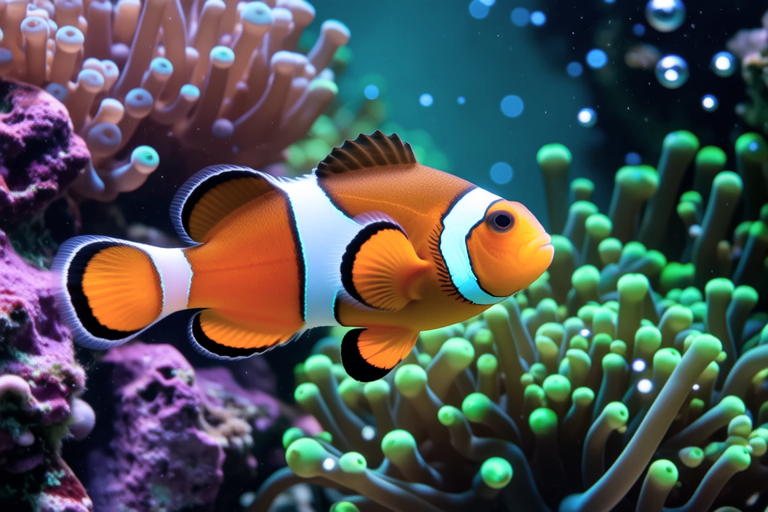
Welcome to the colorful and captivating world of clownfish! These strikingly beautiful creatures have captured the hearts of many aquarists, thanks to their vibrant hues and charismatic personalities. From the animated scenes in the movie Finding Nemo to their natural habitat, clownfish are undeniably one of the most popular choices for aquarium enthusiasts. Their bright orange bodies adorned with white stripes not only add a splash of color to your tank but also bring life and joy to your home. In this article, we will explore how these delightful fish can brighten your aquarium and home, providing you with valuable insights into their care, behavior, and the benefits they bring.
The Ideal Tank Setup for Clownfish
To ensure that your clownfish thrive and bring maximum enjoyment, it’s crucial to create an optimal tank environment. The first step in setting up a suitable habitat is to consider the size of the tank. Clownfish generally require at least 30 gallons of water for a single pair or trio, although larger tanks provide more space for swimming and exploration. A well-planned tank setup should include appropriate water conditions, tank mates, and suitable decorations.
Water Conditions
Clownfish are native to the warm waters of the Indo-Pacific region, so replicating these conditions is essential for their well-being. Maintain a temperature range of 76-82°F (24-28°C) and a pH level between 8.1 and 8.4. Regular water changes of about 10-20% weekly will help keep the water clean and stable. Additionally, ensure proper filtration and aeration to maintain good water quality and oxygen levels.
Tank Mates
Choosing compatible tank mates is vital to prevent stress and aggression among fish. Clownfish are generally peaceful and can coexist with other species, provided they are not too aggressive themselves. Good tank mates include small, non-aggressive fish such as damsels, gobies, and blennies. Avoid housing clownfish with large, predatory fish or those known for fin-nipping behavior, as this can lead to stress and potential harm.
Suitable Decorations
Decorations play a significant role in creating a stimulating and comfortable environment for your clownfish. Incorporate live or artificial coral structures, rocks, and plants to mimic their natural habitat. These structures provide hiding spots, spawning sites, and areas for territorial behavior, which are essential for their well-being. Ensure there are enough hiding places to accommodate all the fish in the tank, especially if you have a group of clownfish.
Behavioral Traits of Clownfish
One of the reasons why clownfish are so beloved is their engaging and interactive behavior. They are curious and active swimmers, often darting around the tank with grace and agility. Clownfish exhibit fascinating behaviors, such as cleaning their hosts, which is a symbiotic relationship where the fish removes parasites from the anemone while being protected by its stinging tentacles. This behavior can be observed in aquariums when clownfish swim through the tentacles of anemones or other similar structures.
In addition to their symbiotic relationship, clownfish display territorial behavior. They establish and defend their territory within the tank, which can be quite amusing to watch. Male clownfish, in particular, are highly protective of their nests and will fiercely guard them during breeding season. This behavior adds an element of excitement and anticipation for aquarium owners who are interested in observing the fish’s natural instincts.
Tips on Feeding and Maintaining the Health of Clownfish
Proper nutrition and regular maintenance are key to keeping your clownfish healthy and vibrant. Clownfish are omnivorous, meaning they eat both plant and animal matter. A balanced diet should consist of high-quality flake food, pellets, and occasional treats like brine shrimp or frozen foods. Feed your clownfish two to three times a day, ensuring that you offer only what they can consume within a few minutes to prevent overfeeding and waste accumulation.
Maintaining the health of your clownfish requires regular monitoring and care. Keep an eye out for signs of illness, such as lethargy, loss of appetite, or abnormal physical appearances. Quarantine new additions to the tank for several weeks to prevent the introduction of diseases. Perform routine water tests to monitor water parameters and address any issues promptly. Regular water changes and proper filtration are essential for maintaining a clean and healthy environment for your clownfish.
The Presence of Clownfish Enhances the Aesthetic and Atmosphere of Your Home
The presence of clownfish can significantly enhance the aesthetic appeal and overall atmosphere of both your aquarium and home. Their bright colors and lively movements create a visually stunning display that can be enjoyed by everyone in the household. Watching the clownfish interact with their surroundings brings a sense of tranquility and wonder, making your home a more inviting and joyful place.
Moreover, caring for clownfish can be a rewarding experience that fosters a deeper connection with nature. Observing their behavior, growth, and interactions can be a source of inspiration and relaxation. The gentle sound of flowing water and the sight of colorful fish swimming gracefully can create a serene ambiance, perfect for unwinding after a long day.
In conclusion, clownfish are not only visually appealing but also bring a wealth of benefits to aquarium owners. Their vibrant colors, engaging behavior, and ability to thrive in various tank setups make them an excellent choice for both beginners and experienced aquarists. By providing the right environment, proper care, and attention, you can ensure that your clownfish remain healthy, happy, and a constant source of joy in your home. So, why not brighten up your aquarium and home with the delightful presence of clownfish?
