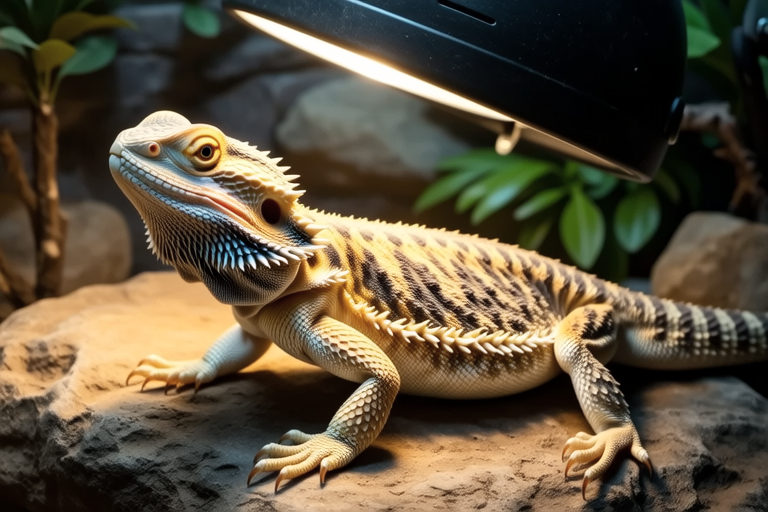
The Ultimate Checklist for First-Time Bearded Dragon Owners
Welcome to the fascinating world of bearded dragon ownership! These captivating reptiles make wonderful pets, but they require specific care to thrive. This comprehensive guide will walk you through everything you need to know about setting up their habitat, feeding them properly, handling them safely, and keeping them healthy.
Habitat Setup: Tank Size, Lighting, Heating, Substrate
Creating an optimal living environment for your bearded dragon is crucial. Start by choosing the right tank size; adult dragons need at least a 40-gallon long tank. A larger space ensures that your pet has enough room to move around comfortably.
Proper lighting is essential for simulating natural sunlight. Invest in a high-quality UVB light, which helps with calcium absorption and prevents metabolic bone disease. Place the light fixture above the tank and ensure it covers the majority of the enclosure. Replace the bulb every six months or as recommended by the manufacturer to maintain its effectiveness.
Heating is another vital aspect of the habitat. Bearded dragons are ectothermic, meaning they rely on external sources to regulate their body temperature. Install a heat lamp on one side of the tank to create a basking spot. The ideal temperature range should be between 95°F and 110°F (35°C – 43°C) under the basking lamp. On the cooler side, maintain temperatures around 75°F to 85°F (24°C – 29°C). Use a thermometer to monitor these conditions accurately.
Selecting appropriate substrate can either enhance or hinder your dragon’s well-being. Avoid loose substrates like sand or wood shavings, as they pose choking hazards and can lead to impaction if ingested. Opt instead for safer alternatives such as paper towels, reptile carpet, or tile flooring. These options are easy to clean and prevent any potential health risks.
Diet and Feeding Guidelines
Bearded dragons have diverse dietary needs that include insects, vegetables, and fruits. Insects should form the bulk of their diet when young but gradually shift towards more plant matter as they mature. Offer crickets, dubia roaches, or mealworms regularly, ensuring they’re gut-loaded with nutritious food before feeding them to your dragon.
Vegetables play a significant role in maintaining your pet’s overall health. Provide a variety of leafy greens like collard greens, mustard greens, and dandelion leaves. Other suitable choices include squash, bell peppers, carrots, and green beans. Fruits can be given sparingly due to their high sugar content; examples include berries, melons, and apples.
Hydration is equally important. Always provide fresh water daily in a shallow dish large enough for your dragon to soak in if necessary. Monitor how much water they consume and adjust accordingly based on their activity level and environmental humidity.
Handling and Interaction Tips
Building trust with your bearded dragon takes time and patience. Start by allowing them to get used to your presence without immediate physical contact. Gradually introduce gentle handling sessions where you support their body firmly yet gently. Always handle them close to the ground to minimize falls.
During interactions, pay attention to signs of stress or discomfort. If your dragon puffs out its beard, darkens its color, or tries to bite, it may feel threatened. Respect its boundaries and give it space until it feels more comfortable.
Encourage natural behaviors by providing climbing structures and hiding spots within the enclosure. This enriches their environment and promotes mental stimulation. Rotate toys occasionally to keep things interesting.
Health Care Advice
Regular veterinary check-ups are vital for maintaining your bearded dragon’s health. Find a veterinarian experienced in reptile care who can perform routine examinations and address any concerns promptly.
Monitor your dragon closely for signs of illness, such as lethargy, loss of appetite, swollen eyes, or difficulty breathing. Early detection allows for quicker treatment and better outcomes. Maintain clean living conditions by cleaning the enclosure weekly and replacing bedding materials regularly.
Parasite control is also important. Discuss with your vet about appropriate deworming schedules and preventive measures against external parasites like mites. Follow their recommendations carefully to protect your pet from infestations.
Common Mistakes to Avoid
One common mistake among new owners is overfeeding their dragons. While it might seem kind to offer plenty of food, excessive feeding can lead to obesity and related health issues. Stick to the recommended portion sizes and feeding frequency.
Another pitfall is neglecting regular health checks. Many owners wait until symptoms become severe before seeking help, which could have been prevented with earlier intervention. Establish a routine for monitoring your dragon’s weight, appearance, and behavior.
Improper husbandry practices, such as incorrect lighting or heating settings, can cause serious problems. Always research thoroughly before setting up your dragon’s habitat and consult experts if unsure about certain aspects.
By following this ultimate checklist, you’ll set yourself up for success as a responsible bearded dragon owner. Remember that each dragon is unique, so observe your pet closely and tailor their care accordingly. Enjoy the rewarding experience of bonding with your scaly companion!
