Betta Fish Color Guide: Choosing the Best One for You
Welcome to the vibrant world of Betta fish! These captivating creatures have been enchanting aquarium enthusiasts for decades. Known for their striking beauty and relatively low maintenance requirements, Betta fish are a popular choice among both novice and seasoned aquarium owners. Their unique personalities and stunning array of colors make them a delightful addition to any home.
The Popularity of Betta Fish
Betta fish, also known as Siamese fighting fish, have captivated pet lovers worldwide due to their mesmerizing colors and graceful movements. Originating from the rice paddies of Thailand, these fish were initially bred for combat, but today they are cherished for their aesthetic appeal. Their popularity has surged, thanks to their affordability, ease of care, and the wide range of colors and patterns available.
Variety of Colors Available
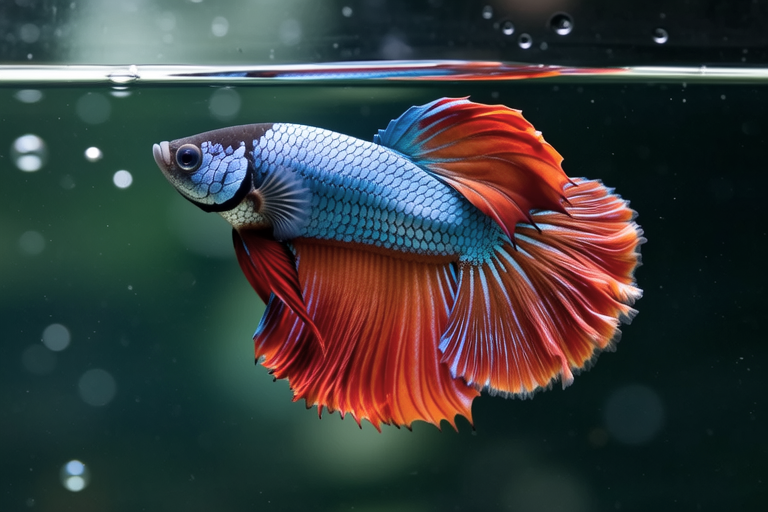
One of the most appealing aspects of Betta fish is their diverse color palette. From the deep blues and vibrant reds to the rare shades of pastel hues, there’s a Betta fish to suit every taste. Here’s a closer look at some of the most popular and lesser-known color options:
- Blue: The classic and timeless choice, Betta fish come in various shades of blue, from electric to royal. Blues often have a shimmering effect that adds depth and dimension to their scales.
- Red: Bold and bright, red Betta fish are a favorite among many. Their intense color can bring life and energy to any tank.
- Yellow: A cheerful and sunny addition, yellow Betta fish can brighten up your aquarium with their golden tones.
- Black: While less common, black Betta fish, or “Melanistic” varieties, offer a dramatic contrast to other colors. They can appear in solid black or with iridescent highlights.
- Pastel: Delicate and soft, pastel-colored Betta fish come in shades of pink, lavender, and mint. These gentle hues provide a serene and tranquil atmosphere.
Genetics Behind Color Variations
The colorful spectrum of Betta fish is largely determined by genetics. Just like humans inherit traits from their parents, Betta fish inherit their color patterns through their genetic makeup. Breeders play a significant role in developing new and exciting color combinations. By selectively breeding fish with desired traits, breeders can produce offspring with specific color variations.
The primary genes responsible for color in Betta fish include those that control pigmentation (such as melanin) and those that influence iridescence. Iridescence refers to the shimmering, rainbow-like effect seen on some Betta fish, which is caused by light reflecting off the scales. Understanding these genetic factors helps breeders predict and enhance desirable color traits in future generations.
Tips for Choosing Based on Color Preferences
Choosing a Betta fish based on color preference can be an exciting yet challenging task. With so many beautiful options available, it’s important to consider both personal tastes and practicality. Here are some tips to help you find the perfect Betta fish:
- Personal Preference: Start by thinking about the colors that resonate with you. Do you prefer bold, vibrant hues or softer, more subtle shades? Consider how the color will complement your home decor.
- Compatibility: When selecting multiple Betta fish for your tank, ensure that their colors won’t clash too much. Some colors may blend well together, while others might create visual chaos.
- Lighting: Consider the lighting in your aquarium. Different lighting conditions can affect how colors are perceived. Experiment with different lights to see how they enhance or alter the appearance of your Betta fish.
Maintaining Water Quality for Optimal Coloration
Proper water quality is crucial for maintaining the health and vibrant coloration of your Betta fish. Poor water conditions can lead to dull, faded colors and even health issues. Here are some essential tips for ensuring optimal water quality:
- Water Temperature: Betta fish thrive in water temperatures between 76°F and 82°F (24°C to 28°C). Use a heater to maintain consistent temperatures, especially if your home experiences temperature fluctuations.
- Water pH: Betta fish prefer slightly acidic to neutral water with a pH level around 6.5 to 7.5. Regularly test your water to ensure it remains within this range.
- Water Hardness: Soft to moderately hard water is ideal for Betta fish. Aim for a hardness level between 5 and 19 dGH.
- Water Filtration: Invest in a reliable filter to keep the water clean and free from harmful toxins. However, avoid filters with strong currents, as Betta fish prefer still or gently flowing water.
- Regular Water Changes: Perform weekly water changes, replacing about 25% of the tank water each time. This helps remove waste and maintain water quality.
Recommendations for Beginners
If you’re new to keeping Betta fish, it’s important to choose a healthy fish that will thrive in your aquarium. Here are some key points to consider when selecting a Betta fish:
- Healthy Appearance: Look for a Betta fish with clear eyes, smooth fins, and no signs of disease. Avoid fish with cloudy eyes, torn fins, or visible lesions.
- Color Intensity: Choose a Betta fish with vibrant, intense colors. Dull or faded colors may indicate poor health or improper care.
- Behavior: Observe the fish’s behavior in the store tank. Healthy Betta fish are active and swim gracefully. Avoid fish that appear lethargic or show unusual swimming patterns.
- Size: Select a Betta fish that is appropriately sized for your tank. Larger tanks provide more space for swimming and better water quality.
By following these guidelines, you’ll be well on your way to selecting a healthy and beautiful Betta fish that will bring joy to your home for years to come.
Conclusion
Betta fish are truly remarkable creatures, offering a vast array of colors and patterns that can transform any aquarium into a breathtaking underwater paradise. Whether you’re drawn to the classic blues and reds or the more exotic pastels and blacks, there’s a Betta fish out there that will captivate your heart. By understanding the genetics behind color variations, maintaining proper water quality, and carefully selecting a healthy fish, you can ensure that your Betta fish thrives and continues to delight you with its vibrant beauty.
We hope this guide has provided you with valuable insights and inspiration as you embark on your Betta fish journey. Happy fishkeeping!
