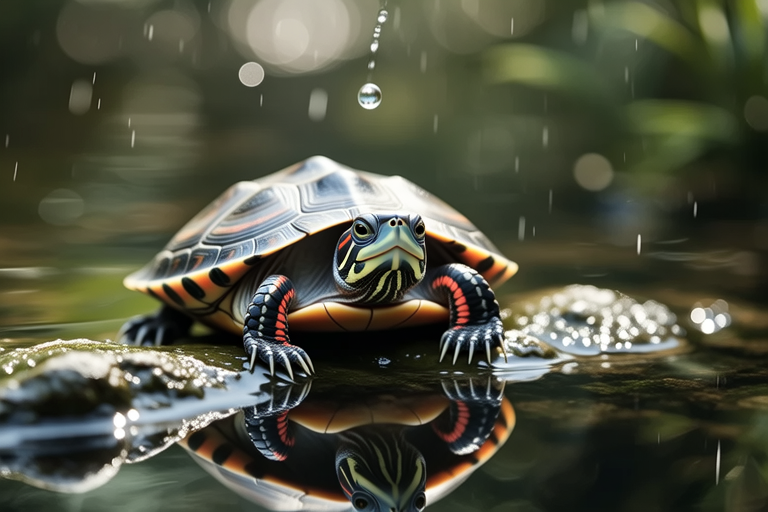
Adopt, Don’t Shop: Rescuing Red-Eared Sliders and Giving Them a Second Chance
The world of pet ownership is often filled with excitement and joy, but it can also present challenges that many prospective owners may not anticipate. One such challenge involves the growing issue of abandoned pets, particularly red-eared sliders. These aquatic turtles are often purchased impulsively, only to be abandoned when their owners realize the commitment required to care for them properly. This article aims to highlight the importance of rescue efforts for red-eared sliders, discuss the unique challenges and rewards of caring for these creatures, and provide guidance on how to adopt and care for a rescued red-eared slider.
The Growing Issue of Abandoned Red-Eared Sliders
Red-eared sliders are one of the most popular pet turtles due to their attractive appearance and relatively low maintenance requirements. However, this popularity has led to a significant number of these turtles being abandoned once their owners can no longer care for them. Many people underestimate the space, time, and financial investment needed to maintain a healthy environment for these reptiles. As a result, shelters and rescue organizations are overwhelmed with abandoned red-eared sliders.
The consequences of abandonment extend beyond the immediate plight of the individual turtles. When released into the wild, red-eared sliders can become invasive species, disrupting local ecosystems and competing with native wildlife for resources. By adopting rather than purchasing these turtles, we can help reduce the number of abandoned animals and promote responsible pet ownership.
Unique Challenges and Rewards of Caring for Red-Eared Sliders
Caring for a red-eared slider comes with its own set of challenges. First and foremost, these turtles require a large, well-maintained habitat. They need both water and land areas, with specific temperature and humidity levels to ensure their health. Proper filtration and regular cleaning are essential to prevent the buildup of harmful bacteria and maintain water quality. Additionally, red-eared sliders have specific dietary needs, requiring a balanced diet of commercial turtle food, fresh vegetables, and occasional protein sources like insects or fish.
Despite these challenges, the rewards of caring for a red-eared slider are immeasurable. Watching these turtles grow and thrive under your care is incredibly fulfilling. Their personalities, though subtle, can be charming, and they offer companionship without demanding constant attention. Adopting a red-eared slider also means giving an animal a second chance at a happy life, knowing that you have made a positive impact on its future.
Tips for Adopting and Caring for a Rescued Red-Eared Slider
Habitat Setup
Setting up a suitable habitat is crucial for the well-being of your red-eared slider. The enclosure should be spacious enough to accommodate the turtle’s growth, with a ratio of approximately 10 gallons of water per inch of shell length. Use a combination of land and water areas, ensuring the land area is easily accessible and provides a basking spot with UVB lighting for proper calcium absorption. Maintain the water temperature between 75°F and 80°F (24°C to 27°C) and the ambient air temperature around 80°F to 85°F (27°C to 29°C).
Diet
A balanced diet is vital for the health of your red-eared slider. Provide a mix of commercial turtle pellets, leafy greens like romaine lettuce and dandelion greens, and occasional treats such as earthworms or small feeder fish. Avoid feeding them iceberg lettuce, as it lacks nutritional value. Offer a variety of foods to ensure they receive all necessary nutrients and vitamins. Feed your turtle daily, but monitor their intake to avoid overfeeding, which can lead to obesity and other health issues.
Health Care
Regular health checks are essential to catch any potential issues early. Look out for signs of illness such as lethargy, loss of appetite, swollen eyes, or unusual lumps. Keep an eye on the shell for any signs of soft spots or discoloration, which could indicate shell rot or other infections. Regular visits to a veterinarian who specializes in reptiles can help ensure your turtle remains healthy. Vaccinations are not typically required for red-eared sliders, but annual check-ups are recommended.
A Call to Action: Adopt, Don’t Shop
Choosing to adopt a red-eared slider from a rescue organization is a compassionate and responsible decision. By giving these turtles a second chance, you are not only providing them with a loving home but also helping to alleviate the burden on shelters and rescue centers. Adoption also supports the mission of these organizations to educate the public about responsible pet ownership and the importance of lifelong commitment to our animal companions.
To find a red-eared slider for adoption, contact local animal shelters, rescue organizations, or search online for reputable turtle rescues in your area. Many of these organizations will provide support and guidance throughout the adoption process, ensuring you are well-equipped to care for your new pet. Consider joining online communities dedicated to turtle care, where you can connect with experienced caretakers, share advice, and learn from others’ experiences.
By adopting a red-eared slider, you are part of a larger community of compassionate individuals who understand the importance of responsible pet ownership. Together, we can make a difference in the lives of these amazing creatures, ensuring they live long, healthy, and happy lives.
